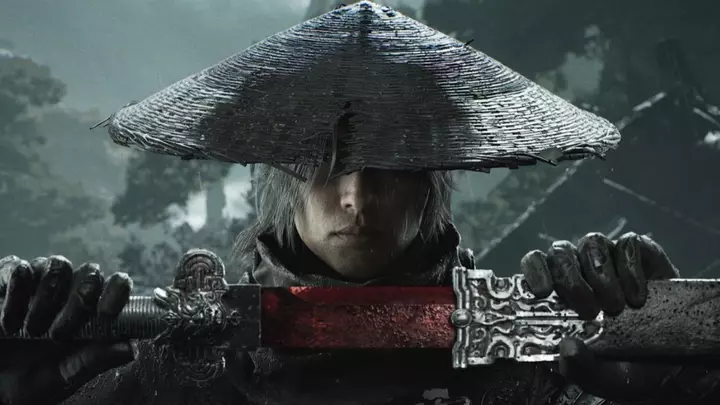
The Wuxia action game by S-Game started the week with strong reviews and ended it with stratospheric player numbers on Steam, where the Chinese audience can be relied upon to turn out for a big release from their native country. Phantom Blade Zero is part of a new wave of Unreal Engine 5-powered, AAA PC and console games from China. The figurehead of this wave was Black Myth: Wukong, 2024's Soulslike-adjacent riff on Journey to the West by Game Science, which went on to a Game of the Year nomination at The Game Awards.
It looks like that will be Phantom Blade Zero's fate, too. There's a pretty direct comparison between the two games. Along with this year's Crimson Desert and, arguably, Blood of the Dawnwalker, they are what I call "outsider AAA": ambitious productions from outside the big publisher system looking to take it on at its own game.
Often made in Central Europe or East Asia, these games present themselves as old-school "gamer's games" with an uncompromising aesthetic and design direction that's both back-to-basics and no-holds-barred. They can garner passionate support from a certain breed of reactionary gamer, but also reach a broad general audience with their lush visuals and technical prowess. Black Myth: Wukong's GOTY nomination was earned in spite of reviews that were on the soft side of positive; it remains the lowest-rated game on Metacritic ever to be nominated for Game of the Year.
Phantom Blade Zero faces no such obstacle. With aggregate review ratings of 88 and 89 on Metacritic and OpenCritic, it has a level of critical backing in the West that Wukong never did, and is also unencumbered with the political controversy attached to Game Science and its outspoken founder, Feng Ji. Yet Phantom Blade Zero also has Wukong's advantages: massive popularity, cinematic production values, and broad appeal across The Game Awards' international jury.
China's voice on the jury is small — just three votes — but Wukong's success in the face of an ambivalent Western press suggests these games travel well all around the globe, and can appeal to jury members from the Czech Republic to Mexico to Saudi Arabia. Given the precedent, it seems likely the jury will look past Phantom Blade Zero's weaknesses (story) and reward its strengths (combat finesse). Phantom Blade Zero faces one hurdle Wukong didn't, though.
It has direct competition, in the form of Crimson Desert. The latter game, by South Korean studio Pearl Abyss, is an open-world RPG that boasts a stupefying quantity and variety of content. It surfed a huge wave of second-coming-level hype to a big launch early in the year.
Extract — continue reading at the source.