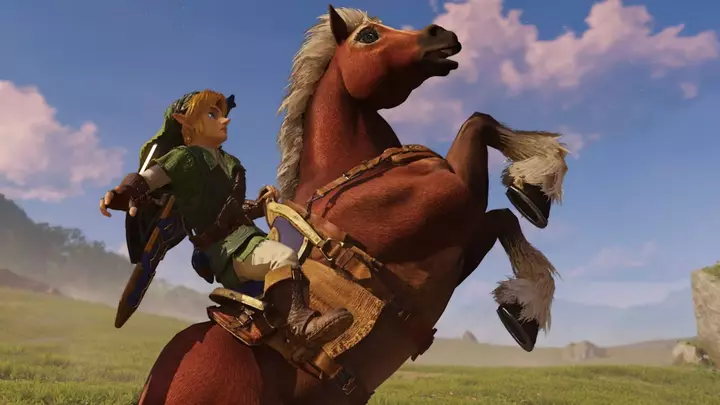
My earliest reading memory My mother always read me a bedtime story, but by around age three, I was not looking at the pictures but reading the text. After that, I read to myself, and would read four books a week from the library. My favourite book growing up As a child I read Alison Goudge’s The Little White Horse, and the combination of history and gothic fantasy was very powerful for me.
It’s realistic and charming and frightening without being nightmarish. It started my love of historical fiction, and has since become a family favourite for my own children. The book that changed me as a teenager They all did, I was a voracious reader.
I really enjoyed Rudyard Kipling, and later went on to historical fiction, especially Georgette Heyer. I read all of Jane Austen’s novels early on and learned to love her economy of style and precision. She still seems to me the finest writer in the English language.
The writer who changed my mind EP Thompson’s The Making of the English Working Class is a radical account of the emergence of a working-class consciousness and was a revelation to me when I first read it as a young woman. It made me understand the real importance of writing history, and the passion that a great historian can bring to the subject. It’s become a model for me in my own work – showing that you can find and write a hidden history.
The book that made me want to be a writer For my PhD thesis I read more than 100 of the most popular novels in the 18th century. Don Quixote, Clarissa, Gulliver’s Travels, Moll Flanders and many more. It was the perfect author’s apprenticeship.
Not only did I read the novels, I analysed them all, which meant I learned about structure, characterisation and tempo. But more importantly, I learned about the craft of novel writing at the very time novels were being invented. The book I came back to I didn’t enjoy Charles Dickens until later in life.
Extract — continue reading at the source.