As Poland builds one of the largest armies in Europe, Warsaw is increasingly shifting its focus toward cooperation with domestic defense companies and manufacturers from other Central European countries. This approach is expected to reduce the country’s dependence on foreign suppliers and allow Poland to increase the production and delivery of weapons and military equipment more quickly. According to data from Poland’s Arms Agency analyzed by , the country’s spending on defense equipment from domestic companies, including joint ventures with other Central European firms, has nearly quadrupled since 2022.
Last year, this spending reached 30.4 billion zlotys, or approximately $8.15 billion. Although the war in Ukraine has led to a significant increase in defense spending across Europe, strengthening the military has become a particularly high priority for Poland. The country borders Ukraine and considers Russia a major long-term threat to its national security, reports.
This year, Poland is expected to spend approximately $61.45 billion on core defense programs, according to NATO data. This would make Poland one of the largest defense spenders in the European Union and represents around 4.7% of its GDP. Expensive and advanced military systems such as American Patriot air-defense systems, Abrams tanks and F-35 fighter jets remain an important part of Poland’s modernization program.
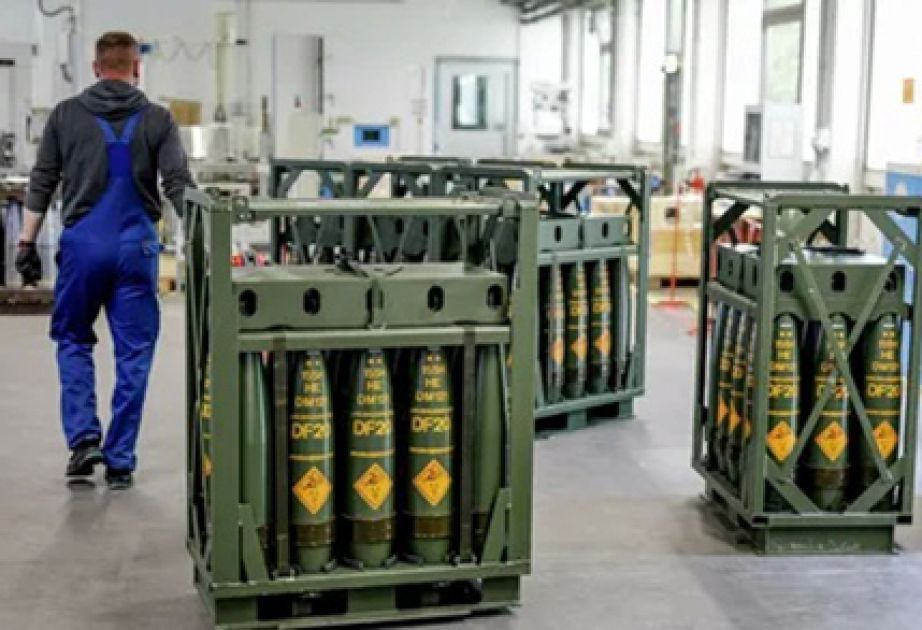
However, Polish officials say that another major priority is to expand domestic and regional production of drones, ammunition and other widely used military equipment. The growing importance of drones and ammunition has become especially clear during the war in Ukraine. Modern conflicts require enormous quantities of relatively inexpensive equipment, meaning that a country’s ability to produce weapons quickly can be just as important as having highly advanced systems.
This year, the size of the Polish armed forces exceeded 220,000 personnel, making them one of the largest military forces in Europe. Poland, along with Estonia, is also among the few NATO members moving particularly close to the alliance’s long-term target of spending 5% of GDP on defense by 2035. Poland is not only increasing its military spending but also trying to establish itself as a major defense-production center in Central Europe.
Warsaw is seeking closer cooperation with neighboring countries and Ukraine in order to develop joint production capabilities and strengthen regional supply chains. As further evidence of Poland’s ambitions in the defense industry, Warsaw proposed last month that Ukraine and the United States cooperate on the production of missiles for the Patriot air-defense system. The proposal reflects a broader shift in Poland’s defense strategy: instead of relying primarily on imported weapons, the country wants to develop the industrial capacity to manufacture more military equipment at home and within the region.
Extract — continue reading at the source.