Possums in the roof, bats in the curtains and ducks on the balcony: new research has revealed how native animals are making themselves at home in our houses. Researchers have analysed a decade of wildlife rescue reports and found brushtail and ringtail possums make up half of all cases of animals in buildings, followed by microbats and bare-nosed wombats. The study in People and Nature included 2,400 cases of animals using buildings as habitat.
Most were found in roof spaces, walls, garages and under the house, although some preferred more unusual locations like letterboxes or air conditioning systems. About 10% were found in indoor rooms such as bedrooms and kitchens. Bethany Kiss, a University of Melbourne architect and the lead author of the study, said animals were seeking out buildings as substitute habitats as their natural homes and hollows disappeared.
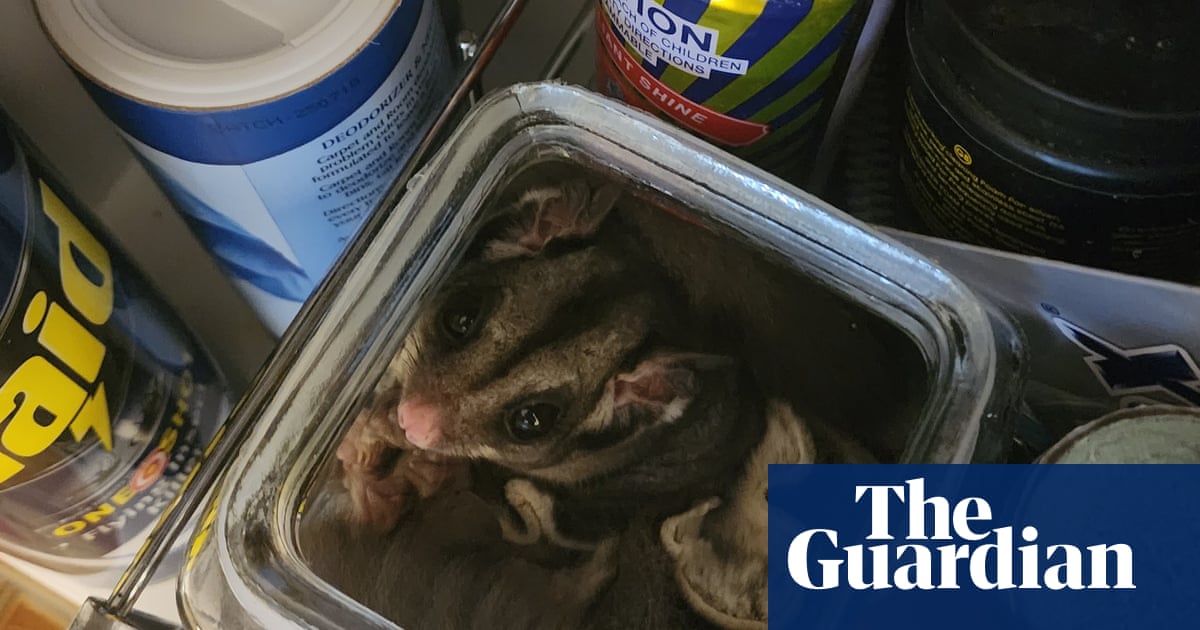
Investigating further, they found two gliders curled up together in a small jar. When a volunteer was dispatched to collect the gliders, they found five more. In another recent case, an echidna found its way into a house and headed straight for the pantry.
Luckily, the homeowner was also a wildlife rescuer and was able to safely return it back outside. Microbats often featured in calls to Wildlife Victoria’s hotline. Recently, while renovating, a homeowner found eight little forest bats roosting in a wall.
Ericka Tudhope, a rehabilitation specialist from Microbats of Melbourne, said bats living in the roof was common and nothing to be concerned about – so long as people left them alone and didn’t touch them. They don’t chew cables or wires,” she said. In New South Wales, the Wires rescue service said animals often sought shelter during cold or extreme weather.
Last year a member of the public rang when a koala scampered down her hallway. By the time the rescue volunteer arrived, the animal was sitting calmly on her bed. While such cohabiting in Australian houses was mostly accidental, in the United Kingdom buildings were being intentionally designed for habitat, Kiss said, such as the requirement to include “swift nesting bricks” in new builds.
Extract — continue reading at the source.