Voters in Quebec are going to the polls in provincial elections which will probably result in victory for a party that has promised to hold a referendum on independence from Canada within the next two years. If polls are correct, the Parti Québécois (PQ) will form the government of the province of roughly nine million, the first time that the separatist movement will have gained power in the French-speaking region for more than a decade. A PQ victory in Monday’s election would also be likely to trigger a return to pitched battles over questions of language and identity between Quebec and the federal government.
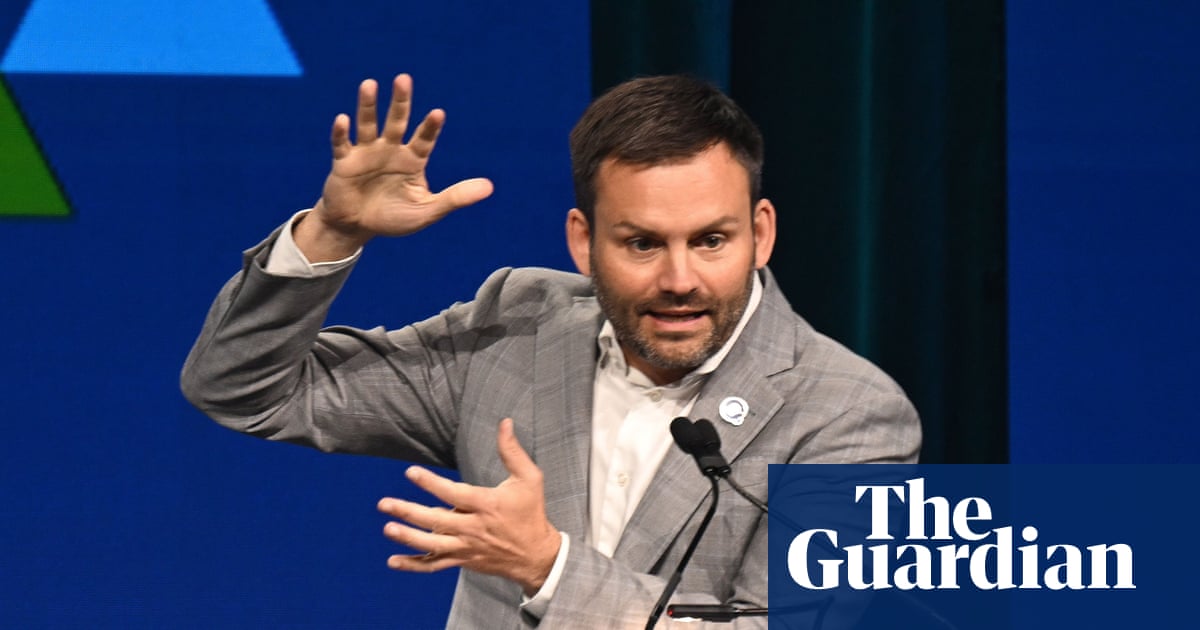
Long considered a declining force in Quebec politics, the PQ owes its resurgence to party leader Paul St-Pierre Plamondon. The 49-year-old Oxford-educated lawyer and polyglot has positioned himself as a TikToking gen-X rebuttal to François Legault, Quebec’s long-serving Premier until he resigned early this year. Analysts say that St-Pierre Plamondon’s electoral success is not because he is a separatist – the majority of voters do not support an independent Quebec – but because of his rightwing take on red-meat identity issues.
He has blamed immigrants for Quebec’s overflowing schools, increased crime and skyrocketing housing prices, while promising to slash immigration levels and ban “conspicuous” religious symbols from the bodies of teachers and their students. He has derided his critics from the leftist Quebec Solidaire party as “woke”, and has taken to repeating the talking points of hard-right columnists. Many in the province agree with St-Pierre Plamondon’s rhetoric, even though it strays from PQ’s social democratic roots, according to radio host Patrick Lagacé.
Increasingly, though, they are on the right when it comes to social issues like systemic racism and accommodation of religious behaviour. They’ve hardened on these issues, and don’t see themselves in the left’s recent fixation on identity issues,” Lagacé said. The biggest drag on St-Pierre Plamondon’s popularity has been his oft-repeated promise to hold a referendum during the first mandate of a PQ government.
An overwhelming majority of Quebecers don’t want such a thing any time soon – particularly with Canada locked in a trade war with the US. The province mostly voted for Liberal leader Mark Carney over the separatist Bloc Québécois in last year’s federal election, expressly because of Carney’s “elbows up” posturing against the Trump administration. But for the PQ, Donald Trump was at first a curse, then a gift.
Early in the campaign, St-Pierre Plamondon said he wouldn’t hold a referendum as long as Trump was in power, defusing the issue and allowing St-Pierre Plamondon to concentrate on attacking immigration and immigrants. The party has also benefited from a four-way race for the right-leaning nationalist vote beyond the reliably Liberal fiefdom of Montreal – particularly around Quebec city, where the upstart Parti Conservateur du Québec has made significant inroads. Though the PQ will probably form the next provincial government, it remains unclear what sort of mandate it will have.
Extract — continue reading at the source.