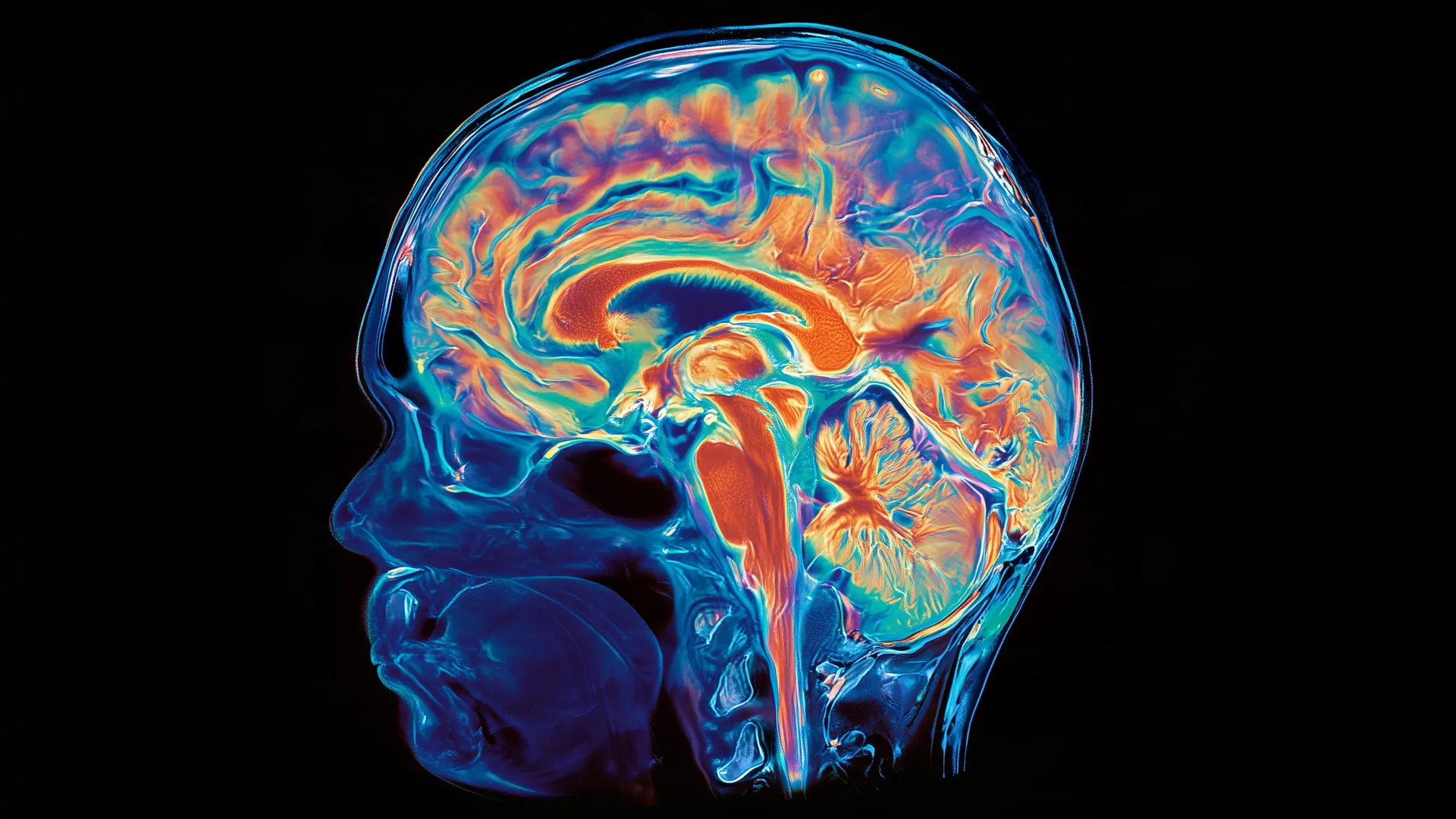
An unusually detailed examination of an Alzheimer's patient's brain has revealed striking differences between regions where treatment successfully removed harmful amyloid plaques and areas where those plaques remained. The regions cleared of amyloid showed little or no buildup of tau tangles, another protein abnormality strongly associated with brain cell damage and declining memory. Nearby areas that still contained amyloid, however, showed much higher levels of tau and evidence of continued neurodegeneration.
The discovery offers rare evidence from a human brain that removing amyloid plaques may provide protection against other damaging processes involved in Alzheimer's disease (AD). The results also suggest that clearing amyloid thoroughly, particularly early in the disease, could help limit tau accumulation and slow the progression of brain damage. Researchers from the Perelman School of Medicine at the University of Pennsylvania presented the findings at the 2026 Alzheimer's Association International Conference.
The study was also published in JAMA. "Seeing both disease patterns side-by-side in the same brain gave us a rare opportunity to understand how amyloid removal affects other proteins that contribute to Alzheimer's disease," said co-senior author David Wolk, MD, co-director of the Penn Memory Center and director of the Penn Alzheimer's Disease Research Center. "The findings provide some of the clearest human evidence to date that anti-amyloid therapies may limit the accumulation of tau and slow the brain changes that lead to memory loss and cognitive decline." How Amyloid and Tau Contribute to Alzheimer's Disease Two proteins play major roles in the development of Alzheimer's disease.
Beta-amyloid collects outside nerve cells, forming sticky deposits known as plaques. Tau, meanwhile, accumulates inside neurons and forms abnormal tangles. Both are associated with the progressive damage to brain cells that contributes to memory problems, changes in personality, and difficulties with thinking.
Treatments designed to eliminate amyloid plaques have significantly changed how Alzheimer's is managed in recent years. Aducanumab became the first drug of this type to receive accelerated approval from the FDA, although it is no longer sold. Since then, newer and more effective medications that target amyloid through a similar approach, donanemab (Kisunla) and lecanemab (Leqembi), have received full FDA approval.
Researchers have long believed that amyloid buildup helps create the conditions in which harmful tau tangles develop. What has been much harder to establish is whether eliminating amyloid can also limit tau accumulation in the human brain. Direct evidence has been scarce because relatively few people who received amyloid-clearing drugs have undergone brain examinations after death.
Extract — continue reading at the source.


