Speaking from personal experience, the closer you get to marathon day, the louder the worries become. Can I really make it to the start line when I’m so sore and tired all the time? Are my long runs and weekly mileage on par with everyone else’s?
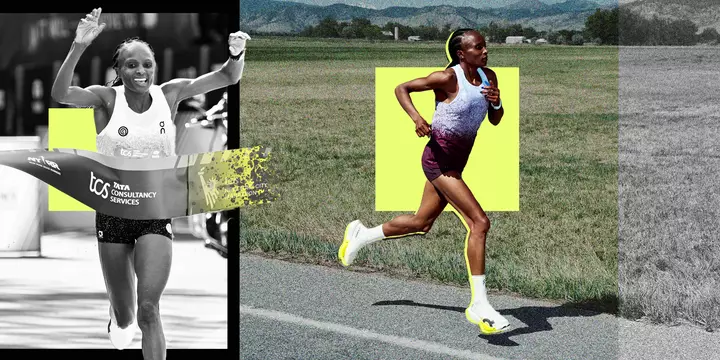
Do I even want to be doing this anymore? That is, unless you’re the reigning champion, Hellen Obiri. This weekend, she’ll be making her return to the New York City Marathon—which she won last year in a course record of 2 hours, 19 minutes, 51 seconds.
When I chatted with the On Running athlete a few weeks out from the race, she had just wrapped up a morning session of 12.4 miles and still had another five on deck later that day. It seems like a lot, but “the evening session is always very easy,” she assured me. Obiri, 36, has won four marathons (NYC and Boston, two times each), and though she knows everyone will be watching to see if she’ll do it again, she doesn’t seem affected by the pressure.
It’s a long distance, and she’s competing against the best of the best—so she’s not counting a single person out. Because, well, it worked so well in 2025. Each week, she logs over 100 miles, and gives herself two to three days to recover after a long run or speed session. (Recovery days still often consist of easy miles, though.) Her longest run heading into November 1?
Even the best of the best don’t run the full distance until race day. She also preps—both physically and mentally—for pushing through particularly hard moments. Will she still have enough in the tank to keep pushing the pace with her speedy competitors come mile 20?
What about in those last 100 meters if she needs to dig deep for a sprint finish? It’s her second year working with On coach Laura Thweatt, who also boasts an impressive history with the NYC Marathon, placing eighth in 2021. Having a coach who has also raced New York has made a huge difference, Obiri says, because she knows what it’s like to train for this specific race and also what it takes to do well.
Extract — continue reading at the source.