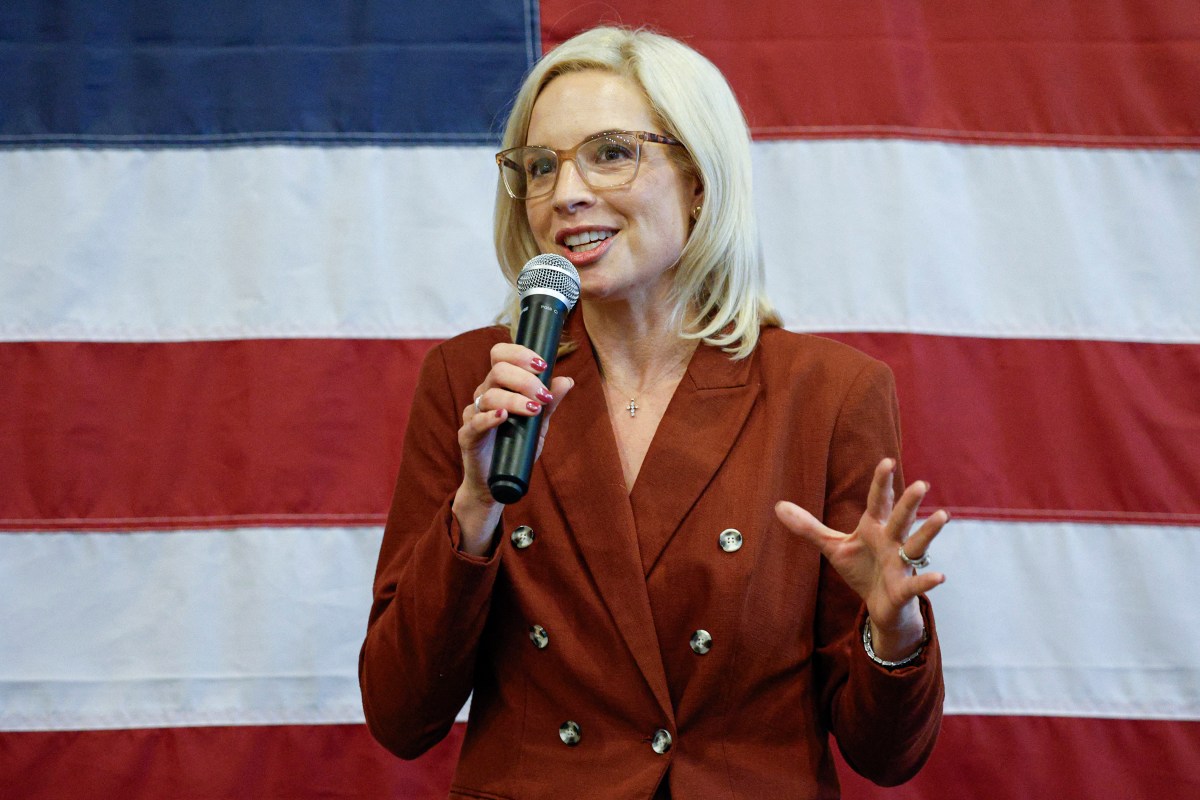
Republican Utah Governor Spencer Cox says he hoped the 2024 assassination attempt against President Donald Trump would become a turning point, giving the president an opportunity to lower the political temperature in America and break what Cox describes as a cycle of retaliation and contempt. Instead, Cox writes, events did not unfold as he had hoped, leading him to conclude that “it would be fair to suggest I failed.” In his forthcoming book, Off Ramp, Cox reflects on his efforts to build relationships with Trump and former President Joe Biden as part of a broader mission to reduce political polarization and political violence. The governor argues that America is reaching an inflection point of conflict and hate over politics and that peacemaking is often gradual and imperfect, rather than a dramatic conversion that transforms political opponents overnight.
"The problem is that we aren’t just disagreeing with each other; we’re despising each other. Peacemaking has sometimes been stigmatized as weak. But the real political danger facing America today is not disagreement but contempt," Cox writes in the book.
Cox writes that after a gunman's bullet grazed Trump's ear during a July 2024 campaign rally in Butler, Pennsylvania, he viewed the near-assassination as a potential inflection point for the country. While Cox had frequently criticized the contempt-driven nature of American politics, he believed the experience could persuade Trump to reject retribution and embrace national unity. On a drive to visit his parents the day after the shooting, Cox drafted a letter to Trump.
In it, he urged the then-presidential candidate to see his survival as an opportunity to help heal America. Now, because of that miracle, you have the opportunity to do something that no other person on earth can do right now: unify and save our country,” Cox wrote. He warned that the nation stood on “the precipice of unmitigated disaster” and argued that Americans needed to “turn down the temperature and find ways to come together again before it's too late.” Cox acknowledged in the letter that Trump probably didn't like him, and he noted that he had not endorsed Trump in previous elections.
But he said he nevertheless believed Trump was capable of becoming the kind of leader who could calm the country's divisions. Cox later supported Trump and worked to develop a relationship with him, despite differences over political style and rhetoric. He writes that while he and Trump agreed on issues such as border security and helping working-class families, they had pursued “different paths on contempt and loving our enemies.” The relationship eventually led to a lengthy Oval Office meeting in which they discussed topics ranging from college athletics to tariffs and immigration reform.
Trump also pledged support for efforts to save Utah's shrinking Great Salt Lake and posted a supportive message on Truth Social. Yet Cox concludes that his larger hope, that Trump would embrace a politics centered on unity rather than retaliation, never fully materialized. It would be fair to suggest I failed.” The other "case" that Cox is referring to was about a pardon for Trump.
Extract — continue reading at the source.