Republican leaders are largely staying in lockstep with President Donald Trump on artificial intelligence (AI) data centers ahead of the 2026 midterms amid growing calls from voters for Congress and states to take action on Big Tech. Trump has often been a vocal proponent of accelerating AI technology and has used his executive authority to support the industry despite a nationwide groundswell of voter backlash to the development of data centers. Data centers and AI technology have become top issues in the midterms, and Republican candidates find themselves in a tricky position, trying to avoid clashing with the president on the issue.
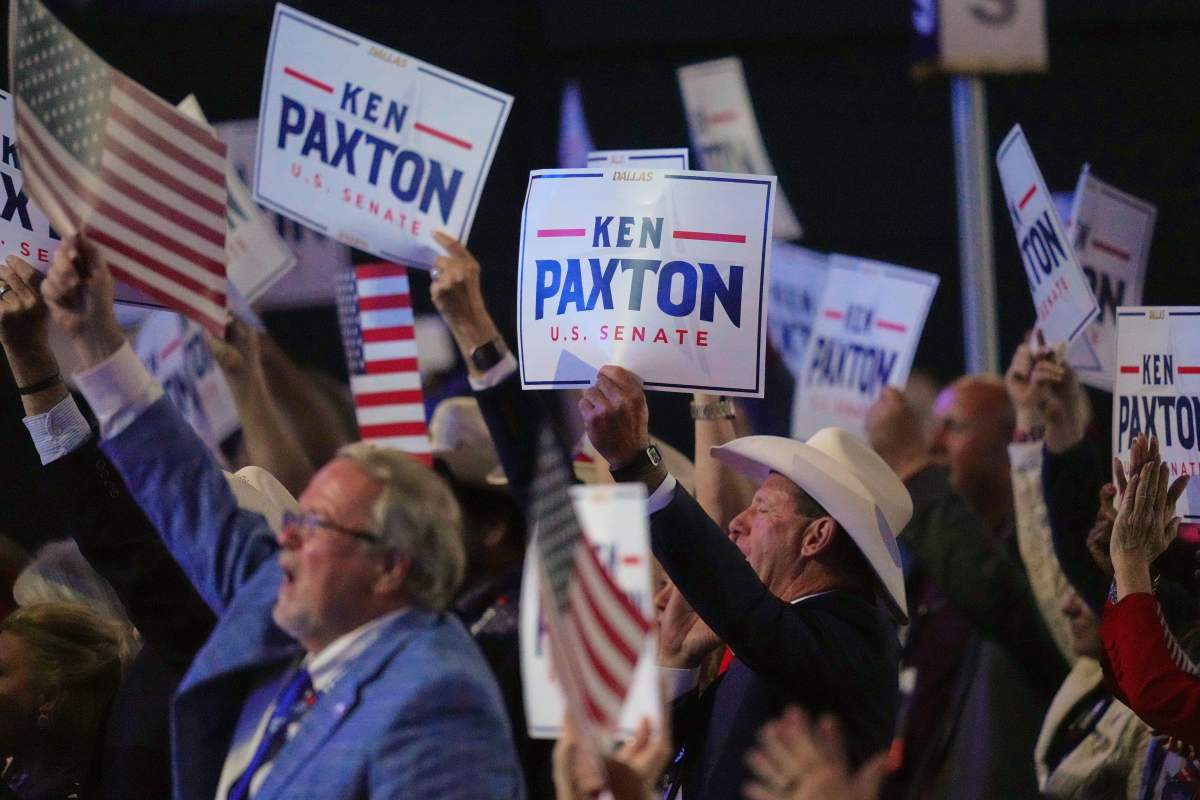
At the Republican National Convention in Dallas this week, several Republican state party chairs told Newsweek they support developing data centers, but the process must include local control. The convention comes as Republicans find themselves behind in the polls in several House and Senate races. Democrats have built up a generic ballot lead and are competitive in several important Senate races in states that backed Trump by double digits in 2024.
Democrats think they have the momentum to take control of both chambers of Congress. Concerns around the economy, cost of living and the unpopular war in Iran have chipped away at Trump’s popularity. Historically, when a president is unpopular, his party loses seats in midterms.
During Trump's first White House term, Democrats rode a blue wave to take back the House majority by flipping 41 seats. Data centers, which critics say lead to higher energy prices, play right into Democrats’ affordability argument they hope will sway independent voters. Several state Republican Party chairs told Newsweek that they do see benefits to the construction of new data centers, but that local control remains very important in their construction.
Scott Golden, the chair of the Tennessee Republican Party, told Newsweek there are “legitimate issues on both sides” of the data center debate. But I do think there's a lot of misinformation out there,” he said. Golden said data centers should be working toward development in places “where they make sense” and in states that want them.
Florida offers a model for how states can approach the data center issue, Evan Power, the chair of the Florida Republican Party, told Newsweek. We make sure that they pay for their power and their water, and then we let local governments make the decisions of where they’re going to be. I think that's key—to let local governments who are in touch with those people make the zoning decisions they want for data centers,” he said.
Extract — continue reading at the source.