This is a preview of the October 1 edition of Access Health—Tap here to get this newsletter delivered straight to your inbox on Thursday mornings. Last week, more than 170 health care stakeholders visited Newsweek's headquarters in New York City to discuss the question of the year: how to integrate AI into health care safely, responsibly and in a way that maximizes access and outcomes. Trust came up in every session, even those that weren't specifically designed to focus on it.
We spoke about whether patients should trust AI with their health data, whether clinicians should trust its recommendations and what health systems need to see before trusting increasingly autonomous agents with more consequential tasks. Throughout the day, I didn't hear anyone ask, "Should patients trust doctors?" Truthfully, it wasn't a question I thought to ask. I sat down with each of our 30-plus speakers before the event, including practicing physicians, heads of AI labs and technology and strategy executives from health systems and health plans.
None raised doubts about physicians' discernment or clinical judgment separate from AI. Then, this week, Health and Human Services Secretary Robert F. Kennedy Jr. raised exactly that question.
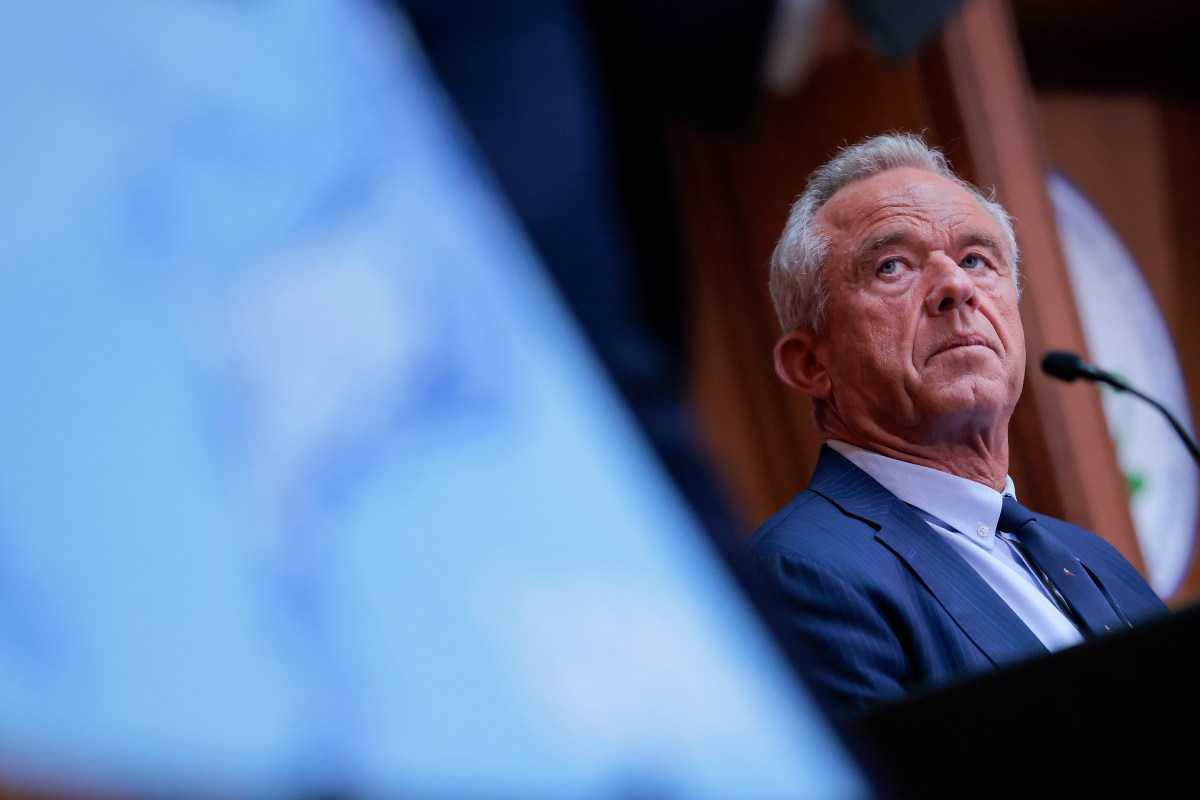
Speaking at the Make America Healthy Again Summit on Tuesday, Kennedy said AI could give patients “a second opinion that is much better informed than any doctor in the country” and “free us from medical tyranny.” He also recounted a conversation with OpenAI CEO Sam Altman, who Kennedy said told him it would be “malpractice” for a physician to diagnose or prescribe without at least checking AI. A transcript of Kennedy's remarks confirms the wording of his account. It's the inverse of what I heard last week.
The clinicians and leaders at our Summit were wrestling with what AI has to do to earn physicians' trust, (read this article for a summary of their arguments). After all, AI is the uncontrolled variable in the exam room; doctors are the longstanding control group. Sophie Bakri, medical director of Mayo Clinic's Center for Digital Health and chair of its ophthalmology department, said at the Summit last week.
Brendan Carr, CEO of Mount Sinai Health System, earlier in the day. The tech community's mantra is "move fast and break things," Carr said, and it's “running directly into 'do no harm,’” physicians' oath. "These are culturally totally, totally opposed," Carr said.
Extract — continue reading at the source.