Also, the micromobility startup spun out of Rivian in 2025, quietly started and then walked away from an electric two-wheeler pilot project in Kenya earlier this year, as it sought to focus its resources on its consumer e-bike and autonomous vehicle ambitions, TechCrunch has learned. The project received grant funding from the Shell Foundation, an independent charity established by the British oil and gas giant Shell plc. A section of the Shell Foundation’s website that has since been removed said the project’s goal was to “enable and de-risk global OEM entry into Africa’s EV market by piloting a locally integrated electric two-wheeler platform in Kenya, with potential to scale across East Africa.” According to the deleted section, Also was expected to work on modular battery designs, distributed EV charging, and planned on “developing a purpose-built electric motorcycle for African riders.” The opportunity for electric motorcycles seems ripe on the continent, which has a massive two-wheeler market.
African mobility company Spiro recently said it has more than 130,000 electric motorcycles operating across seven countries, along with 2,500 battery-swapping stations. This boom has drawn interest from Chinese mobility companies and investors, which are pouring resources into the space. In a September email, Also told TechCrunch that it had “explored this project” with an unnamed partner, but ultimately “decided to focus on its core roadmap” after completing only “some early-stage work.” Also said the grant funding it received from the Shell Foundation “will follow the project to support its ongoing development,” but declined to offer specifics.
The Shell Foundation told TechCrunch in an email that the project was “intended to generate evidence on driver income uplift potential, operational performance and commercial viability to deepen the company’s understanding of the market opportunity.” But when TechCrunch asked for more specifics, the Shell Foundation declined, citing a nondisclosure agreement with Also. Days later, the project disappeared from the Shell Foundation’s website. During an interview last month at TechCrunch Disrupt, Also co-founder and president Chris Yu said the Kenya pilot project initially made sense given Also’s mission to build small, purpose-built vehicles that are “first and foremost cost-optimized to do the job that needs to be done in a particular market.” But other projects took precedence, Yu said, especially the development of small autonomous vehicles — which Also is working on as part of a partnership with DoorDash.
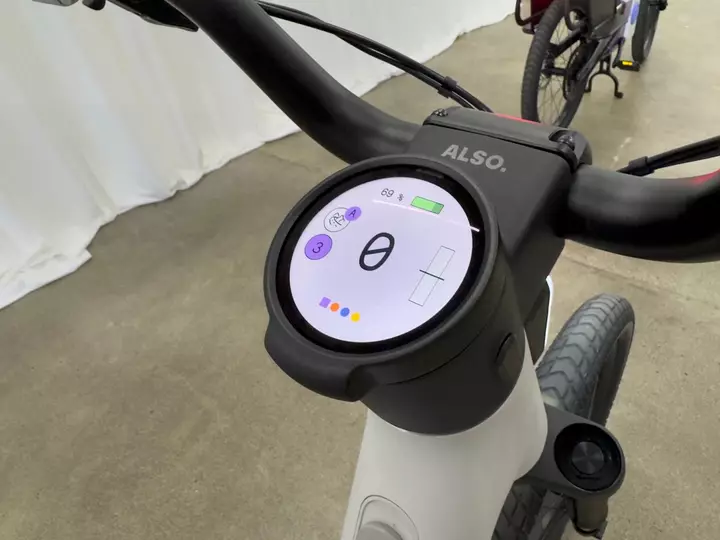
Supply chain problems forced the company to repeatedly delay deliveries of its first product, a premium e-bike called the TM-B, frustrating customers who had reserved one. What made matters worse was Also’s relative silence. The company said little for much of 2026 about when the bikes would arrive — a communication failure its leadership now acknowledges was a mistake.
It’s really hard to earn the opportunity for people to care, and to tell us what they think, and to help us improve.” Getting its first product launch back on track is crucial for Also, which has ambitions far beyond e-bikes. The company plans to sell commercial cargo bikes to companies like Amazon, including four-wheeled models, and has the partnership with DoorDash. These products are next in the company’s pipeline, Yu said, and represent bigger revenue opportunities.
But the TM-B comes first. It’s Also’s most visible product to consumers, and its striking design has drawn plenty of curiosity. Yu said no single problem was responsible for delaying the bikes, which finally started shipping to customers in early October.
Extract — continue reading at the source.