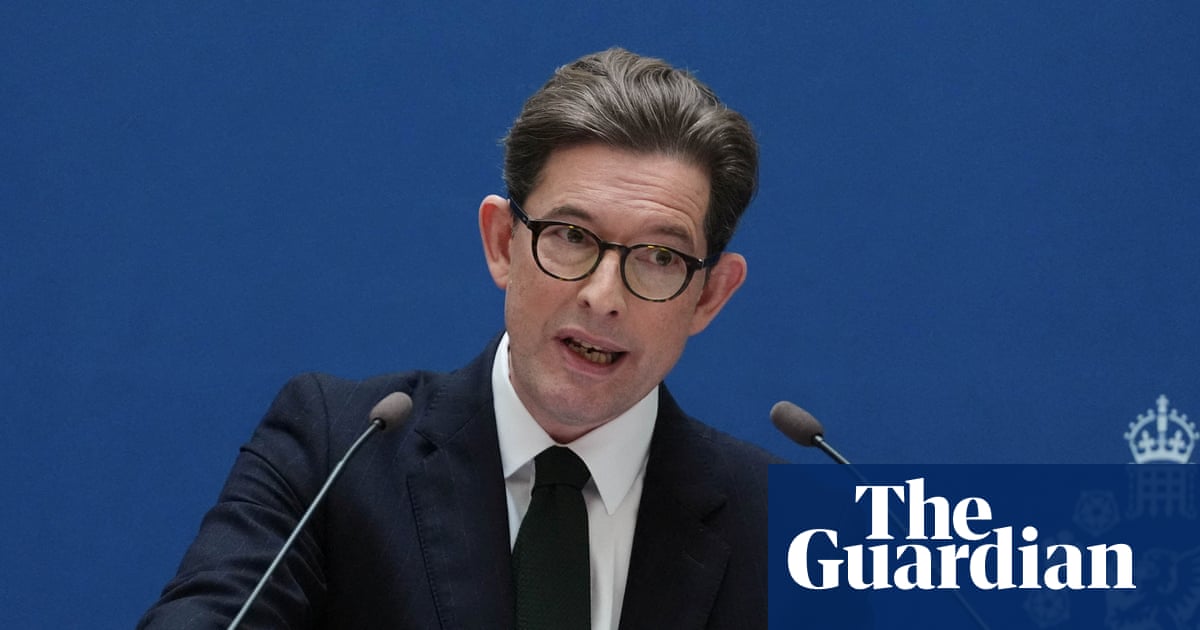
Russia did try to interfere in the Brexit referendum through social media and television reports, the head of MI5 said on Tuesday, but he added that did not mean the Kremlin had any impact on the result. Ken McCallum endorsed comments by Andy Burnham, who raised the issue over the past two days, though he said continuing to debate it risked giving the Kremlin a needless propaganda victory. During an annual threat update, the head of Britain’s domestic intelligence agency said the Russian-owned English-language broadcasters RT and Sputnik “came in pretty strongly around the time of the referendum” with biased anti-migration and anti-EU reports.
He said there had also been “a second line of interference attempted through [internet] trolls”: an unspecified number of fake social media accounts, operating largely on X, that had sought to influence the result. Neither tactic was particularly sophisticated or successful, the spy chief said. There was a big difference between “what may have been attempted and what actually resulted”.
Both interference attempts have been previously cited in studies released in the years after the Brexit vote. The digital campaign group 89up said RT and Sputnik had published 261 mostly misleading articles highlighting immigration and other anti-EU issues that achieved 134m potential page impressions. Other studies have reported on a “troll army” of state-linked Russian accounts tweeting about the referendum in the run-up to the vote, though estimates of numbers active have varied wildly from 54 to 150,000.
Burnham had first returned to the issue on Sunday, during a podcast interview, though at first it was unclear whether the prime minister had been given new intelligence on a topic that had largely been considered forgotten. A day later, however, he backed off when challenged by the Conservatives on whether this meant he regarded the Brexit vote as illegitimate, and he did not supply any additional information in the Commons. On Tuesday Downing Street said it had been confirmed that Russia interfered in the 2019 general election and it was “inconceivable that they didn’t in 2016”.
But the prime minister’s spokesperson added: “We don’t believe it was successful in the British referendum in 2016.” McCallum said it would be to Russia’s benefit if the issue was the subject of controversy for several more days. Continued attention gave the impression that Kremlin disinformation attempts were more successful than they actually were, the MI5 chief added.
Extract — continue reading at the source.