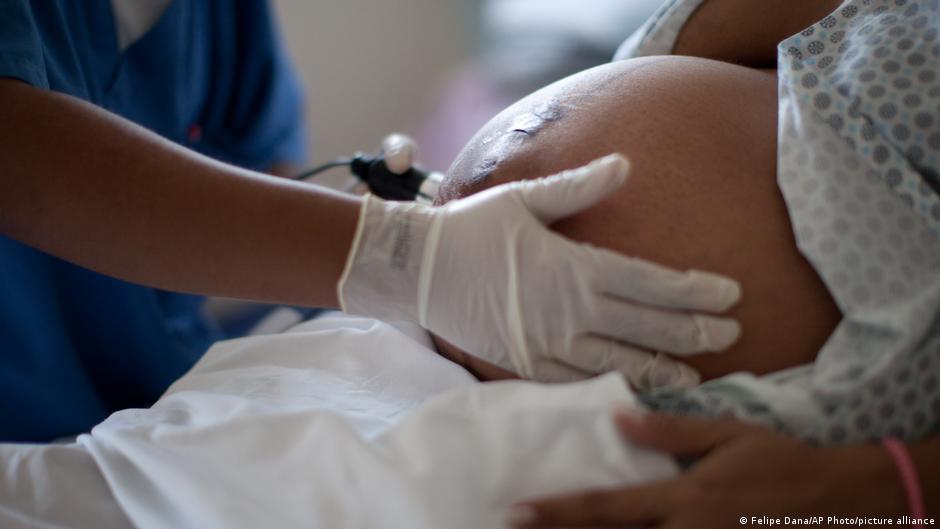
Yulia and Dmitri (whose names have been changed for reasons of safety) flew from Russia to Brazil this summer so that their child could be born there. Yulia was 32 weeks pregnant at the time of travel. "Of course, we didn't say that I was pregnant at border control," Yulia told DW.
Her daughter was born at a private clinic in Santos, a city in southern Brazil. Anybody born in the country has an automatic right to Brazilian nationality. The family is currently preparing all the paperwork.
"We've achieved our minimum goal," said Dmitri. "With a Brazilian passport, our daughter will be able to travel without a visa to almost any country in the world. She won't have to apply for an expensive and time-consuming Schengen visa.
We want her to be able to decide for herself where she studies, works or lives." He said that a colleague of his had traveled to Brazil in early August with his pregnant wife for the same reasons. Yulia and Dmitri said that they had spent the equivalent of about €10,000 (about $11,500) during the first six weeks of their stay in Brazil, which included the costs for several days of treatment for their daughter in intensive care. Dmitri quit his job at a bank for the trip and hopes to find work again after the family returns to their home in the Russian capital Moscow.
However, they are only planning to return once all the documents for their daughter are ready and that could take months. Other Russian families have decided to stay in Brazil permanently. According to organizations and lawyers that provide support to Russians in Brazil, there has been an increase in immigration from Russia, particularly since Russia's full-scale invasion of Ukraine in 2022, after which visa requirements for Russian nationals entering certain countries were tightened.
To view this video please enable JavaScript, and consider upgrading to a web browser that supports HTML5 video Birth tourism to Brazil has also increased since Argentina, which used to be one of the main destinations for people wanting their children to be born in a country that automatically grants citizenship to newborns, tightened its regulations. People who want their children to obtain Argentinian citizenship now have to have resided in Argentina for at least two years. Since 2025, the access of people who do not have a permanent residence permit to free healthcare has also been restricted.
Extract — continue reading at the source.