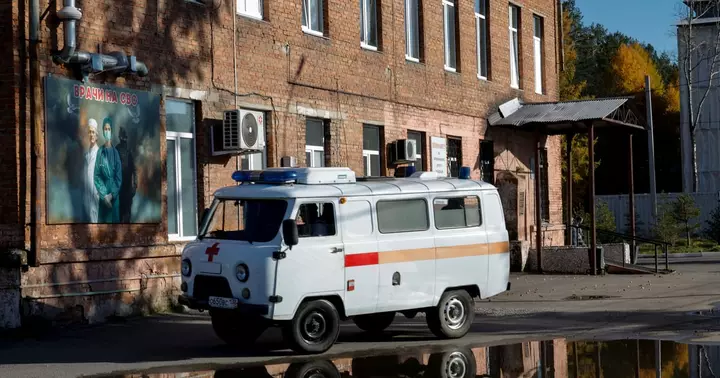
A case of pneumonia that killed a lab worker at an anti-plague institute in Russia has exposed cracks in the international rules meant to keep the world safe from pandemics and health threats. At the center of the debate is the legally binding set of International Health Regulations laying out countries’ rights and obligations in public health emergencies that could cross borders. It is signed by 196 countries, including Russia, China and the U.S.
But there are questions over whether Russia properly followed these rules — namely, on timely and transparent information-sharing on a potential threat. The case sparked not just international concern over Russia’s transparency, but also raised doubts over the efficacy of the international system in place to detect and promptly respond to health threats — including potential pandemics. It also becomes more likely that other countries risk knee-jerk responses, like closing borders, if they feel they don't know all the facts, said Roojin Habibi, a professor at the University of Ottawa.
In the European Parliament's health committee, EU lawmakers raised concerns last week over the lack of transparency. Independent lawmaker Ondřej Dostál suggested that poor diplomatic relations with countries like Russia risked hindering public health responses. "[The] EU should, at least in areas of serious health concern, maintain at least some diplomatic relations with all countries, and act responsibly with other UN Member States to strengthen the emergency reporting mechanism," he said.
Lawmakers asked the EU and the WHO to fill the gaps left in the case. The death of a 28-year-old employee at the Irkutsk Anti-Plague Institute of Siberia and the Far East earlier this month triggered unease across the globe due to her laboratory work — and a local Russian official linking her death to the plague. The WHO, which leads global responses to major health threats, said it first learned of the death of the lab worker through media reports, rather than Russian health authorities.
On Oct. 3, it requested information to verify the reports and assess the potential scale of the threat. Under international rules, countries have 24 hours to respond to the WHO; Russia took three days. Moscow said no case of plague has been registered recently in the Irkutsk region, confirming that it had conducted an epidemiological investigation and determined the patient died from “pneumonia of undetermined etiology.” The case appeared open-and-closed for Russia.
The disease agency announced it had concluded health inspections and there was no “epidemic risk” in the region. But the WHO says many questions still remain unanswered, including the cause of the pneumonia that killed the lab worker at the anti-plague institute and how she was exposed. Article 6 of the International Health Regulations obliges countries to assess public health events and notify the WHO about those that “may constitute a public health emergency of international concern” within 24 hours.
Extract — continue reading at the source.