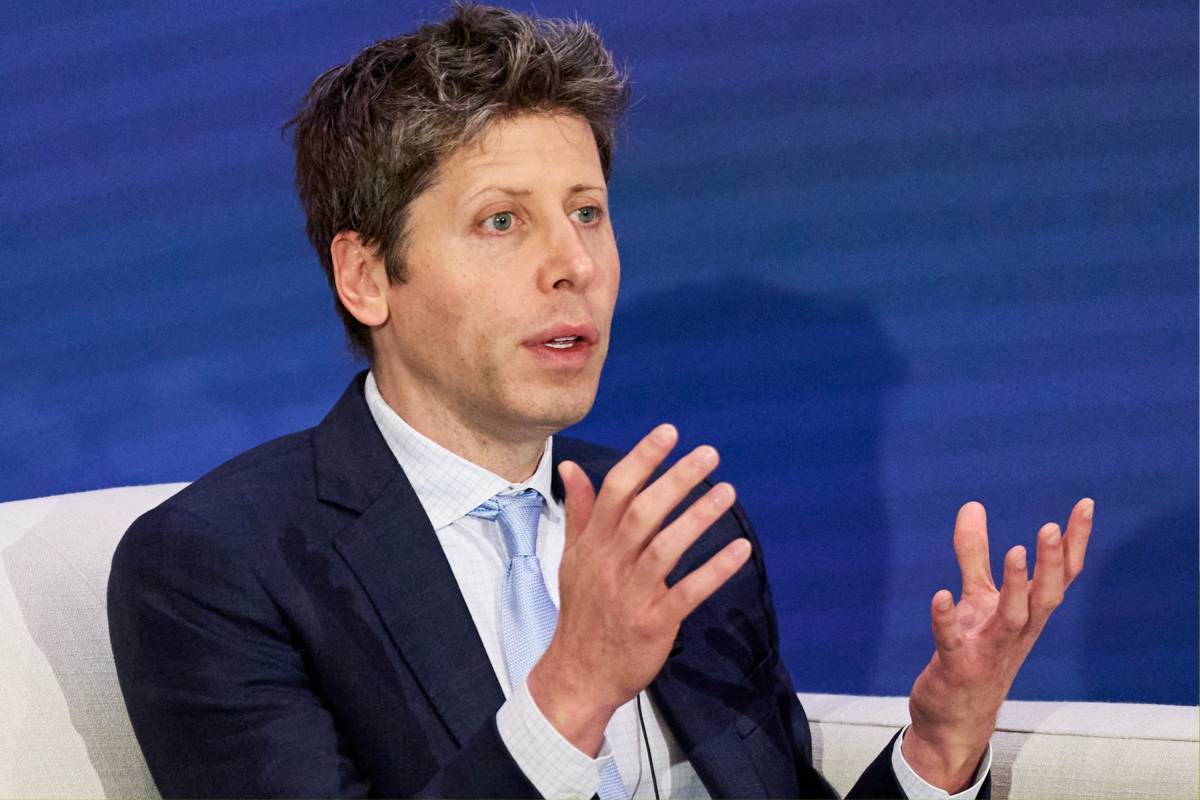
OpenAI CEO Sam Altman posted a series of statements on X overnight, warning that the future of AI could go "very badly" if companies fail to keep control of increasingly powerful systems, saying that the technology poses risks ranging from AI surpassing human oversight to a dystopian concentration of power. Altman wrote that humanity could "lose control of the future to AI," adding that his company is "unapologetically on Team Humanity, and AI must always serve people." Altman said AI safety measures must keep pace with increasingly powerful systems, warning that the technology could be dangerous if capabilities advance faster than safeguards. He also cautioned against a future in which a single company, individual, or country gains outsized influence through advanced AI.
"The results could be extremely dystopian," he wrote. The OpenAI chief also called for shared industry standards around safety, monitoring and AI misalignment, saying frontier developers should act responsibly as progress accelerates. He backed a federal framework setting consistent safety requirements and said “no amount of American competitive pressure should justify recklessness, or let capabilities get ahead of alignment and monitoring.” Altman said rapid progress would continue, but argued development should be paced more carefully to ensure capabilities do not outstrip safeguards.
"AI must always serve people," he wrote, warning that avoiding catastrophic outcomes will require governments and AI labs to work together while preventing any single country or company from gaining excessive power. The warning adds to a growing chorus of concern from within the AI industry itself. Researchers, executives and former employees at leading AI labs, including former Anthropic researcher Jacob Coxon, have recently raised the prospect that future systems could become difficult to control, with some arguing that a reckless race toward more powerful models could have catastrophic consequences for humanity — even within the next decade.
This is a developing story, more to come.
Extract — continue reading at the source.