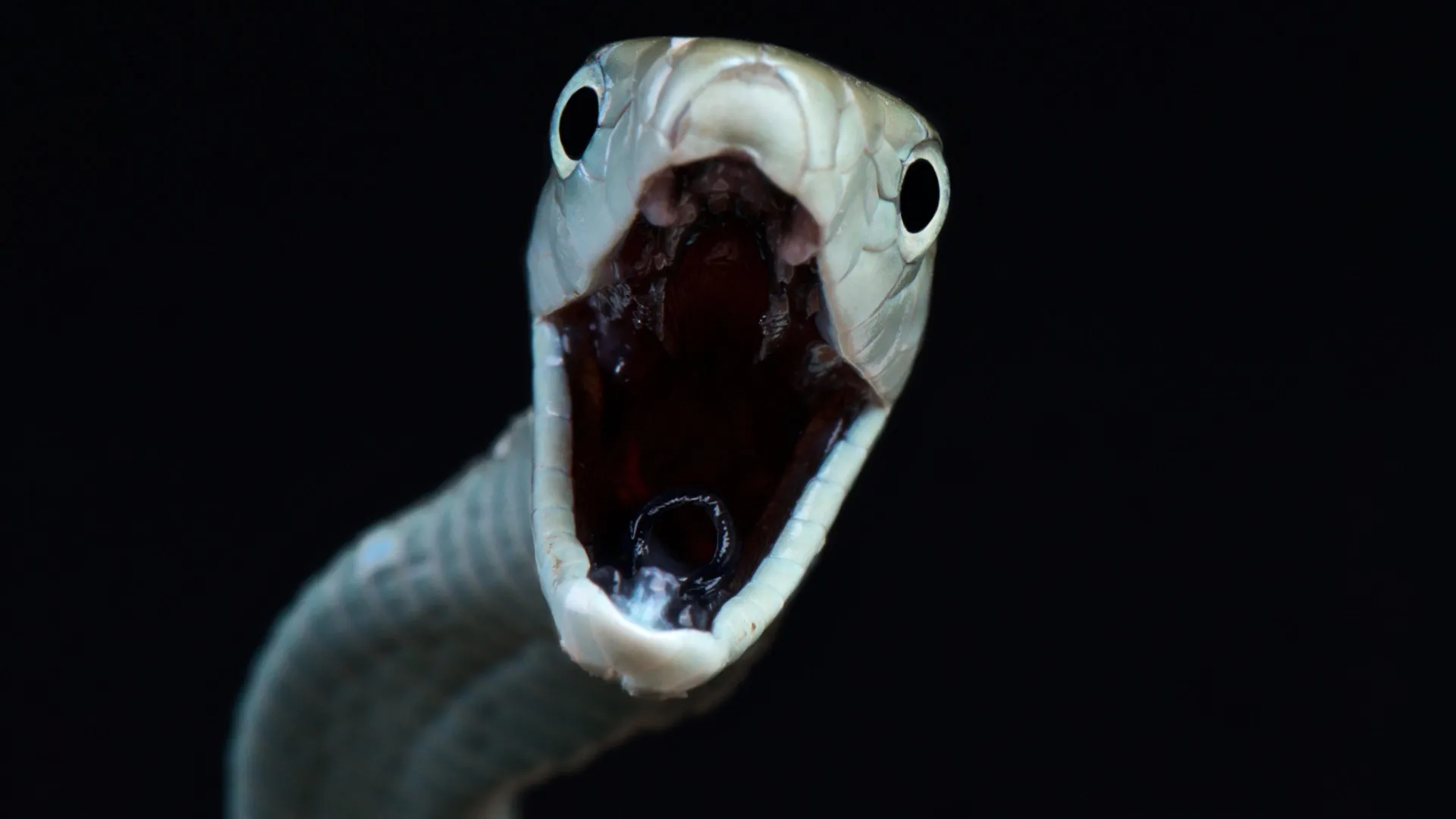
When venom enters the body, however, it can cause snake envenoming. This is a potentially fatal condition and it mostly affects poor rural communities across tropical and subtropical regions who don’t have easy access to medical care. As researchers with decades of combined experience in snakebite and tropical disease epidemiology, we came to realise that snake envenoming faces a data crisis.
Over half of the countries where venomous snakes pose a threat don’t keep count of how many people are bitten or envenomed. In rural sub-Saharan Africa and south Asia, many victims live hours away from the nearest clinic, lack transport, or seek care from traditional healers. As a result, their cases are never captured in national health statistics.
To bridge this massive gap, we conducted a study to map the global burden of snake envenoming and related deaths. We looked at data from 79 countries by reviewing studies published up to March 31, 2025. This allowed us to update the findings from our milestone 2008 global burden study.
To fill the remaining data gaps, we built a geostatistical model that combines real-world data with local environmental and socioeconomic factors. This allowed us to estimate envenoming and fatality rates. We conclude from our findings that snake envenoming is a public health crisis on a far greater scale than official statistics have shown.
Our results show that sub-Saharan Africa bears the heaviest toll. The World Health Organization has set an ambitious target to halve snakebite mortality and disability by 2030. Mapping the problem at the country level is the first crucial step.
To overcome the lack of reliable data, we turned to a model-based geostatistics framework. To understand how this modelling works, think of it as predicting invisible patterns by combining known data points with environmental signals. Instead of assuming data for every region, this modelling uses statistical probability to calculate a range of likely outcomes based on environmental signals.
Extract — continue reading at the source.