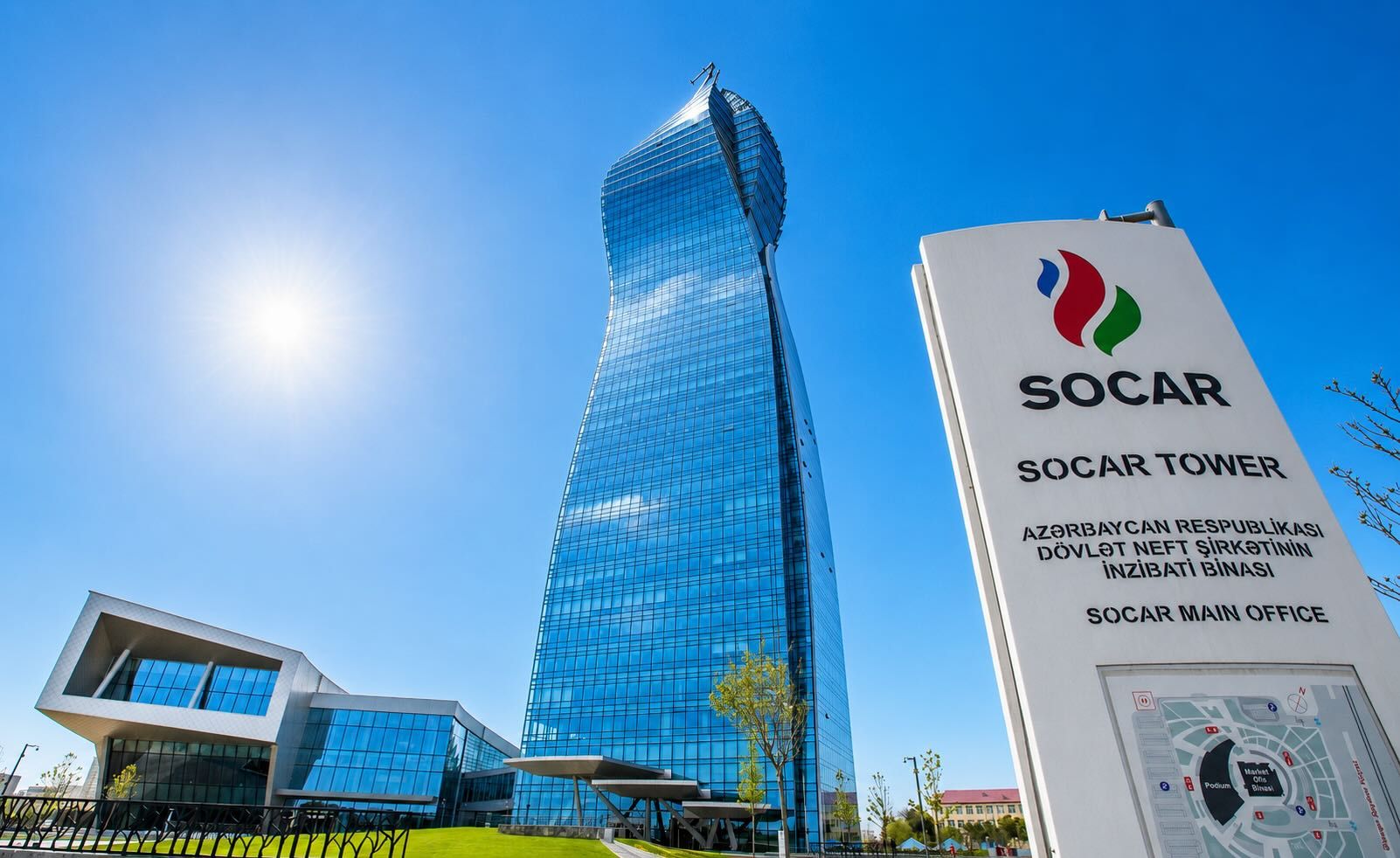
In the modern era, as the global energy map is rapidly changing and carbon neutrality targets and the transition to renewable energy are accelerating, a vital question stands before crude oil producers: Is it possible to ensure long-term economic sustainability by selling only hydrocarbon resources? The strategic steps taken by the State Oil Company of the Republic of Azerbaijan (SOCAR) in the Turkish market have already been giving a clear and unequivocal answer to this question for years: No, the real future lies in the petrochemical sector that creates high added value. The information contained in a report by international rating agency “Fitch Ratings” these days once again turned the attention of global and regional economic circles to the Aegean coast.
SOCAR’s work on a new giant investment program worth $7 billion in Turkiye and its plan to make the Final Investment Decision (FID) by the end of 2026 is not an ordinary business expansion. It is a clear indication that the geoeconomic partnership between Baku and Ankara has entered a qualitatively new, deeper and more strategic stage. To understand the essence of Azerbaijan’s move, it is first necessary to look at Turkiye’s industrial structure and current economic landscape.
Turkiye is currently one of the largest manufacturing centers in Europe and the Middle East. From the automotive industry to textiles, agricultural packaging to construction and medical equipment, hundreds of sectors depend on polyolefins — polypropylene (PP) and polyethylene (PE) — in their daily operations. However, despite its rich industrial potential, Turkiye’s domestic production of petrochemical raw materials meets only around 10 percent of demand.
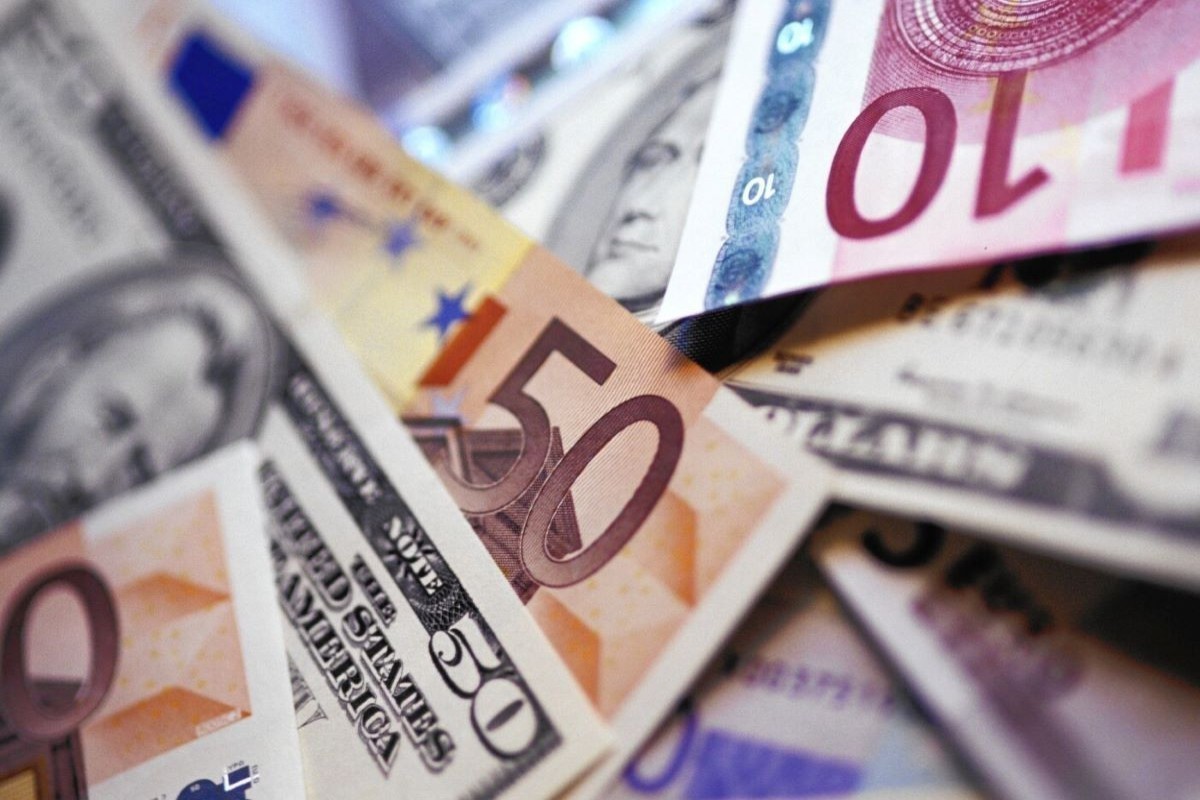
The sector’s only integrated domestic producer is the “Petkim” complex, which is wholly owned by SOCAR. This major imbalance causes an annual outflow of around $5-7 billion in foreign currency from Turkiye — a current deficit. Raw materials transported from countries such as Saudi Arabia, South Korea, Iran and Russia create vulnerability in the domestic market to price fluctuations and logistical risks.
It is precisely at this point that SOCAR’s new $7 billion production facilities project will serve as a vital breath of fresh air for the Turkish economy. The new complex will sharply reduce foreign dependence in the domestic market, ensure that billions of dollars remain within the country and strengthen the competitiveness of Turkish industry. But what does this giant capital investment mean for Azerbaijan?
If we look at the issue only through the prism of “support for the brotherly country,” we would miss the analytical and economic depth of the process. This project is part of Baku’s completely cool-headed, far-sighted and rational foreign investment strategy. First, the issue is about moving from being a raw material seller to creating value throughout the chain.
Extract — continue reading at the source.