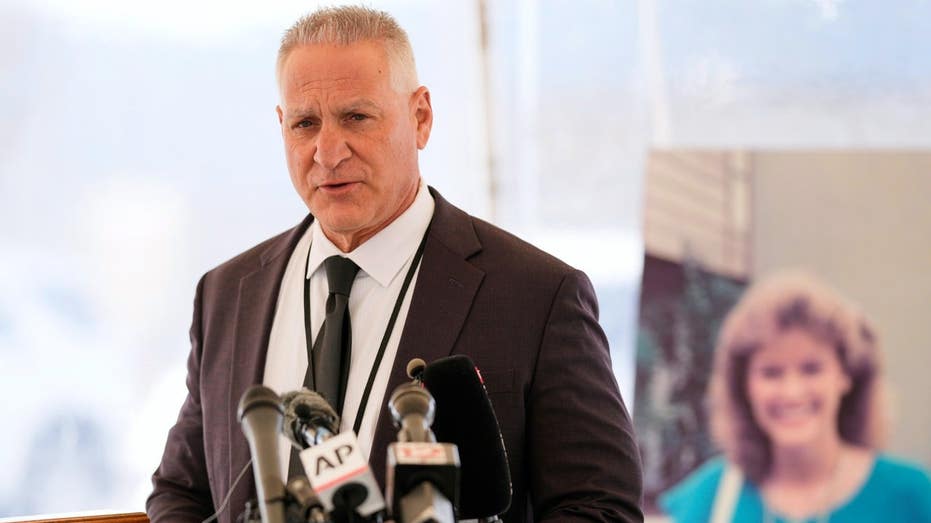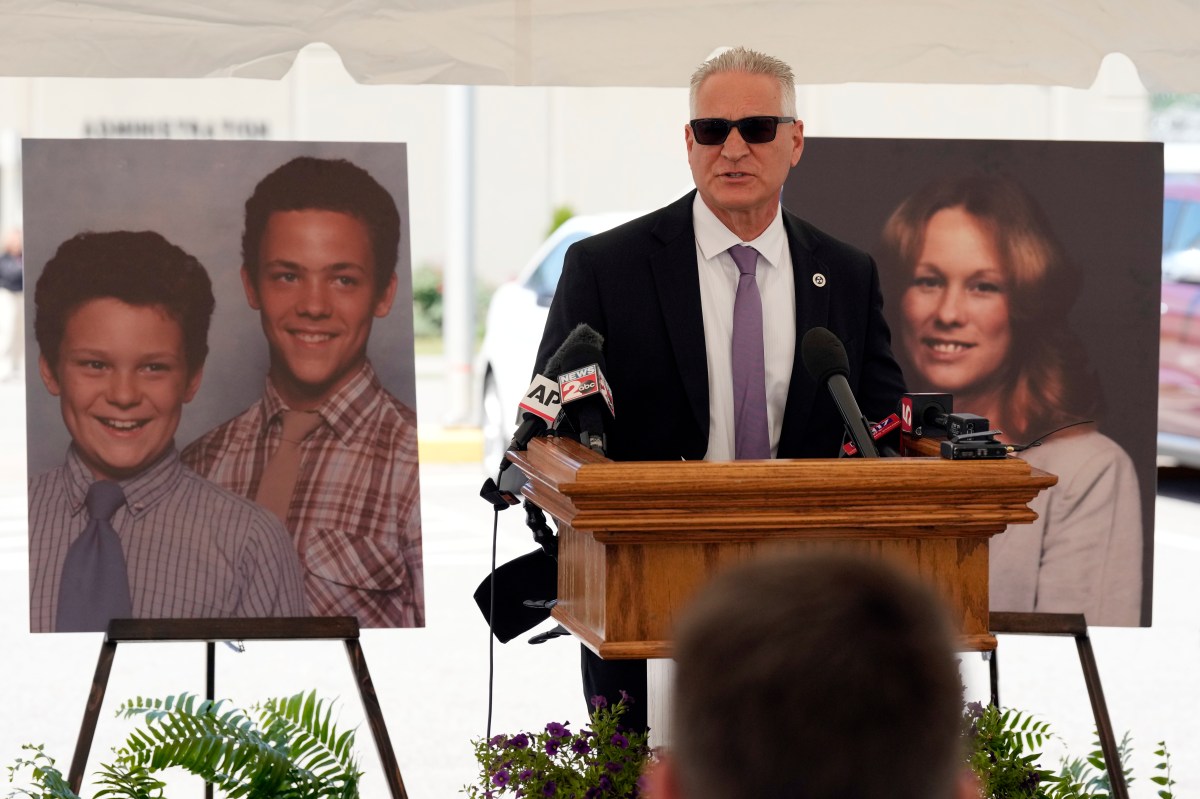
The head of Tennessee's prison system has resigned days after the state's failed execution of death row inmate Christa Pike, as officials face mounting questions about how two doses of a lethal injection drug failed to carry out her death sentence. Republican Governor Bill Lee announced Saturday that Tennessee Department of Correction Commissioner (TDOC) Frank Strada will step down later this month. The resignation comes as the state launches an independent review into the September 30 execution attempt, which left Pike hospitalized, unconscious and reliant on a ventilator, according to court filings cited by the .
Strada said in a statement to the AP that stepping aside was "in the best interests" of Tennessee while investigators determine what went wrong during the execution, the report said. Pike's attorneys told Newsweek in an emailed statement Saturday, "The resignation of Commissioner Strada is justified, but it does nothing to help Christa now." "What happened to her Wednesday reflects a systemic failure that goes far beyond any one person," Randy Spivey and Kelly Gleason from the TN Office of the Post Conviction Defender, and Stephen Ferrell and Luke Ihnen from Federal Defender Services of Eastern Tennessee, Pike's legal team said. "We hope the Governor’s call for a full, independent review will expose the profound problems within Tennessee’s entire death penalty system." Newsweek reached out to Strada, TDOC and Lee’s office by email Saturday for further comment.
The failed execution has reignited debate over lethal injection protocols and the future of capital punishment in the United States. Tennessee has halted its remaining executions for 2026 following the incident, while legal experts and death penalty advocates have questioned whether the state can attempt to execute Pike a second time. Pike's case is highly unusual because inmates who receive a full execution protocol but survive are exceedingly rare in modern American capital punishment.
Legal scholars previously told Newsweek that historical precedent suggests a second execution attempt could be allowed, though the issue would likely trigger extensive court challenges. The case has also become a national political issue. President Donald Trump has continued advocating for expanding the death penalty even after Pike's failed execution, saying capital punishment should remain available for major drug traffickers, human traffickers and those convicted of killing police officers.
Pike, now 50, was sentenced to death for the 1995 torture and murder of fellow Job Corps student Colleen Slemmer in Knoxville. She was set to become the first woman executed in Tennessee in more than 200 years. According to execution attempt witnesses, Pike remained alive after receiving two doses of pentobarbital.
During the procedure she reportedly complained of pain in her arm, later lost consciousness and was transported to a hospital rather than being pronounced dead. Her attorneys later argued that execution personnel may have failed to properly establish intravenous access, resulting in the drug entering tissue rather than her bloodstream. In a court filing cited by the AP, lawyers alleged that members of the execution team did not recognize that IV lines may have been improperly placed or that veins had "blown" during the process.
Extract — continue reading at the source.