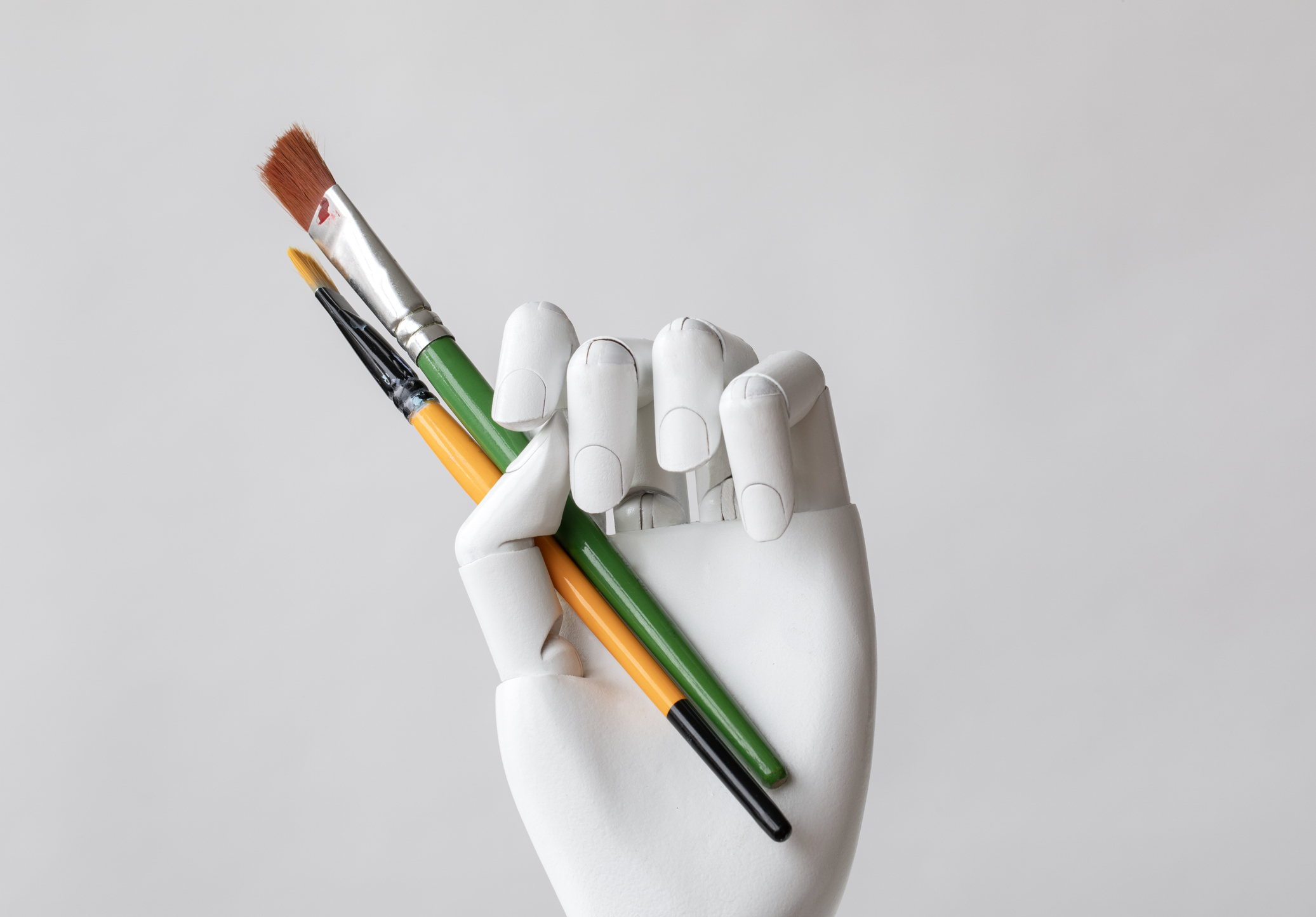
Look closely at a painting, and you might be able to see where an artist changed their mind. Beneath the finished surface, there may be an abandoned line, a figure moved several inches to the left, a color that looked splendid in the morning and became unbearable by night. There may be a smudgy fingerprint at the edge of the canvas.
The back may hold a date, a repair, uneven staples, a signature, or the name of a previous owner. These messy marks were once incidental to the artwork. Today they are considered evidence.
AI can produce an image in nano-seconds, then create hundreds of variations before a painter has mixed a color or cleaned a brush. Some of the results are technically bewildering and others inspire disbelief: How is this possible? Yet their abundance is changing our relationship to novelty.
When nearly any visual idea can be summoned on demand, newness becomes easier to manufacture but harder to believe in. In an age of effortless images, the mess left behind by making something may become part of what makes it valuable. So much recent visual culture can appear at once new and strangely familiar.
Generative systems learn from immense archives of existing images, then assemble patterns according to statistical relationships. Their output can startle us, though the surprise often arrives cloaked in a recognizable visual fluency: the cinematic light, the dreamlike architecture, the glossy portrait or the eerily composed impossibility. After enough exposure, even the surreal can begin to feel conventional.
A study presented at the 2024 CHI Conference proffers one perspective about how this happens. Participants who used an AI image generator during a visual ideation exercise became more fixed on an initial example and produced fewer ideas, with less variety and originality, than those in the control group. The study involved only 60 people, so its findings should be treated cautiously, though they articulate something many artists and designers have begun to notice: a tool built to accelerate imagination can also narrow it by presenting a polished answer before a more difficult, original idea has had time to form.
Extract — continue reading at the source.