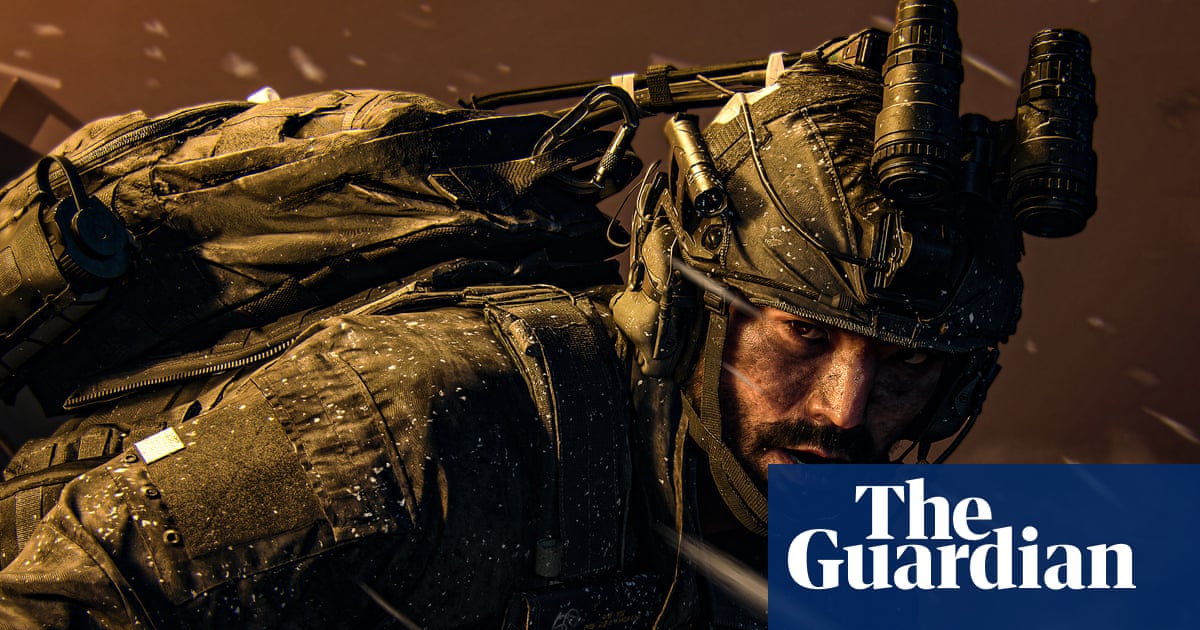
In these strange, subdued weeks before the much-anticipated release of Grand Theft Auto VI, there have still been some welcome surprises. Onimusha: Way of the Sword revived a half-forgotten samurai action series with much aplomb, while Silent Hill: Townfall transported all of the franchise’s bloody, dread-filled psychological horror to … the picturesque Scottish coast. Even more shocking to games writers, though, is the fact that the forthcoming Modern Warfare 4 has one of the best Call of Duty campaign modes for at least six years – and might even be up there with the original Modern Warfare trilogy.
The setting is an invasion of South Korea by its northern neighbour – a setup that could have fuelled a hundred instantly forgettable Netflix films, but has proved controversial in a video game. The authoritarian regime has a new (fictitious) ruler and a powerful experimental weapon, which it’s not afraid to use as the opening gambit in an explosive attack. You take on the role of Park Hyun Jun, a conscripted South Korean soldier who, along with his small unit of similarly inexperienced grunts, gets caught in the firestorm as cities burn and enemy paratroopers fill the skies.
On the other side of the globe, meanwhile, series hero Capt John Price has gone rogue, teaming up with cartel boss Valeria Garza to track down his nemesis, Makarov. How these narrative strands intertwine is the propulsive engine of the story, and along the way this game throws an arsenal of gigantic set-piece battles at you, edging you closer to a layered finale. Most positive reviews of the campaign mode have mentioned how the story combines its own ideas with themes and plots from the previous titles.
So how did the game’s lead developer, Infinity Ward, set about creating a story that could support a giant first-person juggernaut such as CoD? Additionally, we ask, ‘What is going to resonate with a modern audience?’ It was important to us not to tell the same story again, not to show the same characters being the same people, because what they’ve been through has deeply affected who they are.” Infinity Ward brought in a range of military and cultural consultants to ensure the story’s accuracy. Our dialect coach, June Yoon, was invaluable because he understands the dialectical differences between North and South Korea, and he could help us reword lines in a more colloquially appropriate way.” One key element of the game is the combination of quieter, character-led narrative moments and apocalyptic action set-pieces.
Back when I was working at Naughty Dog, and now with the team here, we talk about player-protagonist parity, and how, when you feel what the character feels, you’re all a part of the same story – the audience gets to be in on it.” Surprisingly, iteration is an important part of the process – even though this is a game filled with cinematic sequences that may have to be filmed and animated early in the development process. And sometimes we’ll need to move things around, particularly in a story where we can shift the timeline in certain ways. When someone comes up with something, it gets moved around, it gets debated and analysed, and it’s road-tested pretty hard before it becomes inked.” To me, the Modern Warfare 4 campaign is a story of dysfunctional families – the actual North Korean ruling family, Park Hyun Jun’s ragtag squad and Price’s Task Force 141.
The tensions between these groups gives the story its human underpinning. Disaster movies usually centre on one or two main characters so that we, the audience, get to experience the drama vicariously through them. Infinity Ward has successfully brought that structural and emotional toolkit to the finale of the Modern Warfare series, and that’s at least partly why it works.
Extract — continue reading at the source.