"They’ve lost complete control of the strait," Secretary of State Marco Rubio said of Iran in Athens on Wednesday. At least 16.5 million barrels a day of crude left the Persian Gulf in September, matching the region’s prewar average excluding Iran, ship-tracking firm Kpler estimates. Iran’s seaborne oil exports have been all but halted by a U.S. blockade and sanctions.
Yet attacks on tankers transiting the Strait of Hormuz have hit their highest weekly level of the seven-month war, maritime security sources told . On Tuesday, Kpler tracked only seven commodity vessels crossing—the fewest since July 23. Before the war, about 125 large commercial ships crossed daily.
Both pictures are accurate. The war lives in the gap between them. The U.S. has, in effect, and with some substantial caveats, won the Battle of Hormuz, the fight over whether Iran could hold Gulf oil hostage by closing the waterway.
But what comes next looks less like a victorious peace than an insurgency phase. A degraded Iran that can no longer shut the strait can still make crossing costly and uncertain. The American naval mission can’t leave because normality never quite returns.
On May 1, 2003, President George W. Bush declared from an aircraft carrier off San Diego: "In the battle of Iraq, the United States and our allies have prevailed." The conventional war lasted six weeks. U.S. forces then spent more than eight years fighting an insurgency, waiting for a normality that would let them leave.
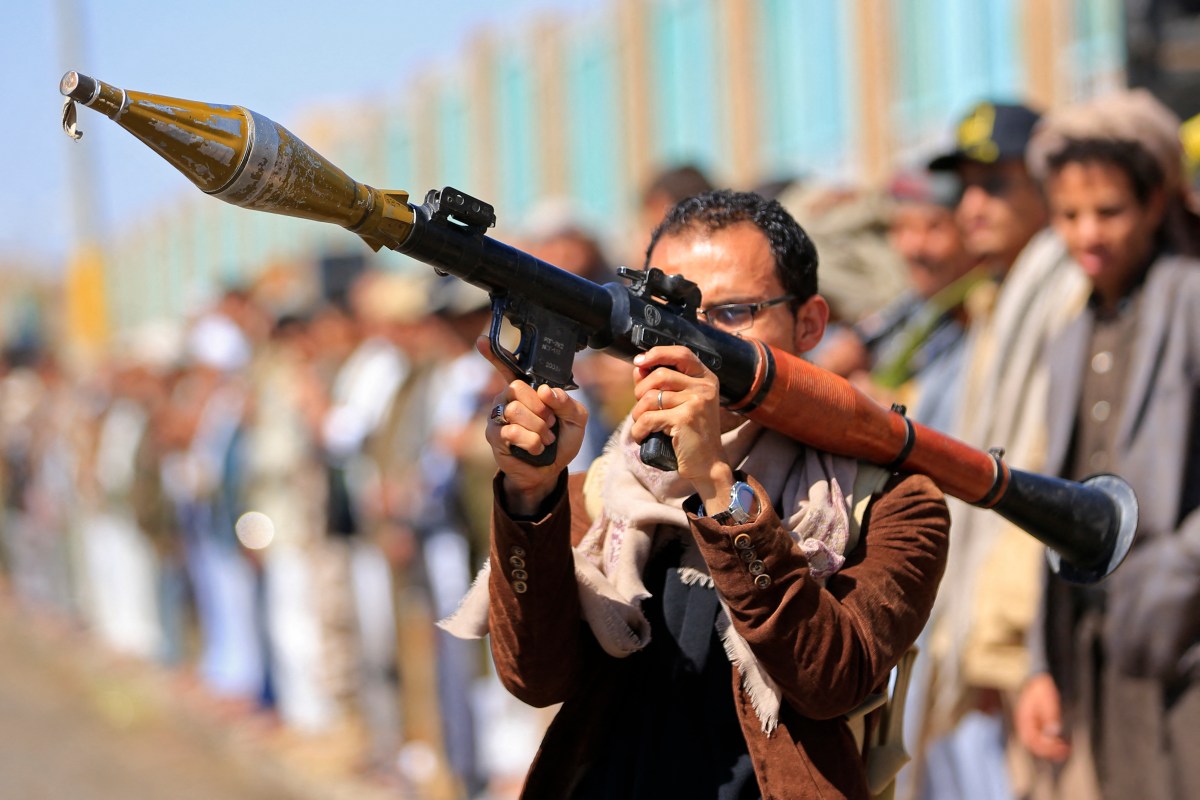
Iraq is an imperfect comparison for all sorts of reasons, but there is an echo here. The escort-and-blockade mission is the occupation. Iran’s drones, missiles, and proxies are the insurgency.
Extract — continue reading at the source.