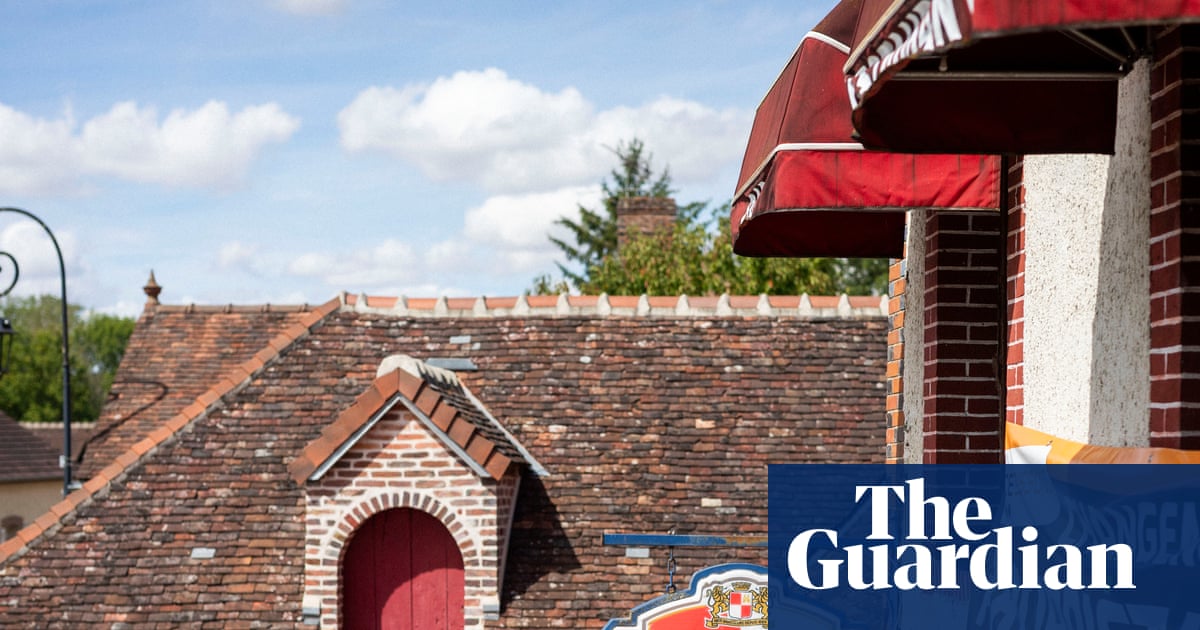
It is just past noon on a midweek day, and already every table at Au Bon Acceuil cafe-bistro in the northern Burgundy village of Saint-Martin-sur-Ouanne is taken. The three-course lunch menu today – including a choice of a hefty chunk of steak with chips or a meaty lasagne – is just €18, but villagers are not only here for the food. After an eight-month closure, the bistro, previously called Café de la Gare, recently reopened – and locals want it to stay that way.
We couldn’t let it stay closed,” said Nadia Letellier, the new manager. People seem really happy it’s open again.” Hervé Chapuis, a farmer and the village mayor, is part of the local council team that saved Saint-Martin’s last public-facing business since the boulangerie across the road closed eight years ago. It’s part of village life and people missed it.
Now, village life has returned to its proper rhythm.” France’s celebrated cafe-bistros are in trouble. In 1900 there were an estimated 500,000 such establishments; by the 1960s more than half had closed. Today, only about 30,000-40,000 remain and even they are reportedly shutting at a rate of two a day.
Alain Fontaine, who runs Le Mesturet bistro near Paris’s stock exchange, and who is president of France’s Association of Bistros and Cafes, says the closures leave rural communities deserted and villagers, especially elderly people, isolated. In losing our local bistros, cafes and restaurants, we are losing part of the French life balance.” The reasons for the closures of what the 19th-century writer and statesman Léon Gambetta called “salons de la démocratie” or “people’s parliaments”, are economic and sociological. The number of people living in rural areas has declined over the last half a century, television and devices encourage more people to spend their evenings at home, and the average French person now drinks about 80 litres of alcohol a year compared with 200 litres in the 1960s.
Finding people willing to run bars, cafes or bistros is also a problem, says Fontaine, who is campaigning for the government to submit the establishments to Unesco for intangible cultural heritage listing, arguing this recognition would encourage more people to consider taking them on. We cannot resign ourselves to this trend,” he said. Instead, she and her sister, Katell, set up an association to run it.
We wanted to find someone to take it over and run it, but it’s a small village of 220 people and it was complicated. Now we run [it] with volunteers,” Joucla said. People come here for a chat, to have a laugh, listen to music … we are the cultural centre of the village.
Extract — continue reading at the source.