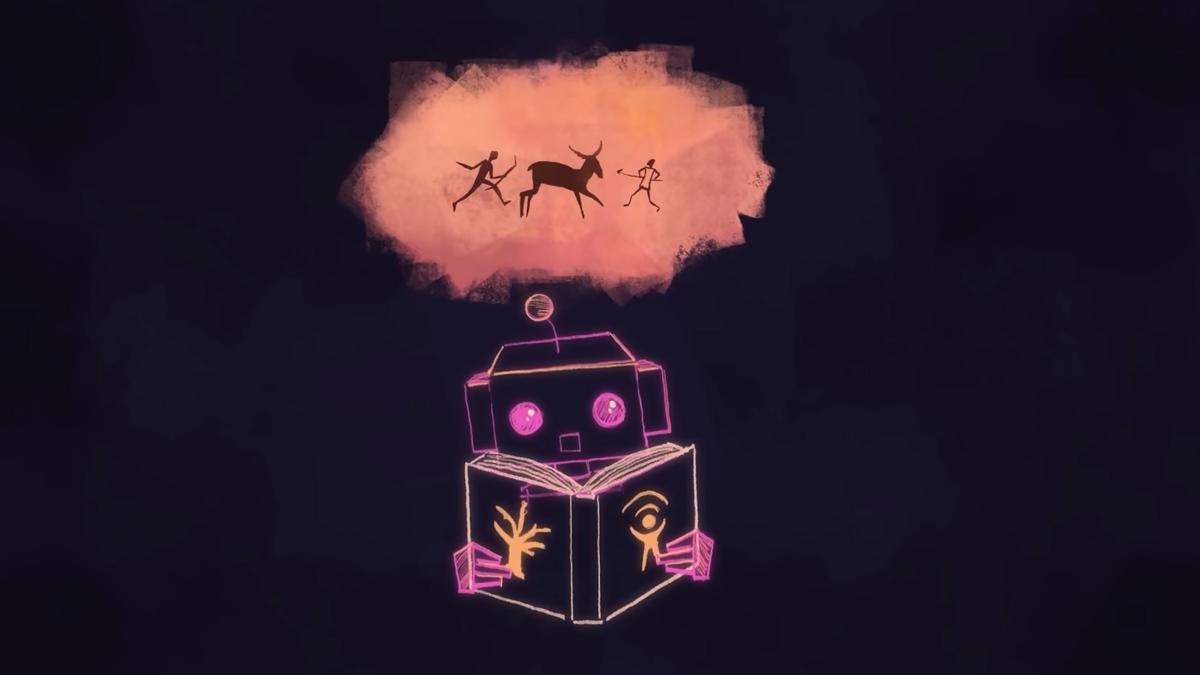
Devised by the late US philosopher John Searle in 1980, the ‘Chinese room’ thought experiment is one of the best-known challenges to the idea that programmed computers could be conscious. This animation from TED-Ed lays out Searle’s famed argument, which has drawn considerable criticism and become more contentious as AI systems have grown far more sophisticated. While exploring whether the Chinese room still computes in the AI era, the video considers the mounting complexities of ever knowing whether computers could have cognitive states – especially given how little we understand our own.
Directors: Hernando Bahamon, Vicente Numpaque, Globizco Studios We long misjudged animal consciousness. Why we should worry less about ‘sentient’ AIs and more about what we’re teaching them AI isn’t merely bad at writing. It does not and cannot write Can you know everything about colour if you see in black and white?
A thought experiment How a ‘periodic table’ of animal intelligence could help to root out human bias videoComputing and artificial intelligence Teaching an AI to beat video games still takes human imagination Knowing if you’re awake seems simple. Why has it vexed philosophers for centuries? What does an AI make of what it sees in a contemporary art museum?
Leaping from firing neurons to human behaviour is tempting, but it’s a perilous gap
Extract — continue reading at the source.



/https://tf-cmsv2-smithsonianmag-media.s3.amazonaws.com/filer_public/d7/74/d774f307-330f-4016-8297-548625343ad8/human-riding-leopard.jpg)