Dengue is no longer a problem we can afford to treat as someone else's tropical disease. In 2024, the World Health Organization recorded more than 14.6 million reported dengue cases worldwide, the highest annual total ever recorded, along with more than 12,000 reported deaths. About half of the world's population is now considered at risk of dengue infection.
In the Americas alone, more than 13 million cases were reported in 2024. The numbers are alarming, but what concerns me most is that we are still approaching mosquito control too often from the wrong end of the problem. We focus on the adult mosquitoes flying around our neighborhoods because they are the ones we can see and kill.
Meanwhile, the next generation is developing quietly in the places we overlook: a flowerpot, a clogged gutter, a discarded container, or something as small as a bottle cap. If we want to get serious about dengue prevention, we have to start where mosquitoes start. Climate change is making that challenge harder.
A Stanford-led study found that warming temperatures were responsible for an estimated 18 percent of dengue incidence across 21 countries in Asia and the Americas between 1995 and 2014. The researchers found that dengue transmission peaked at around 27.8°C and projected substantial increases in incidence by midcentury under future warming scenarios. That means the geography of dengue is changing.
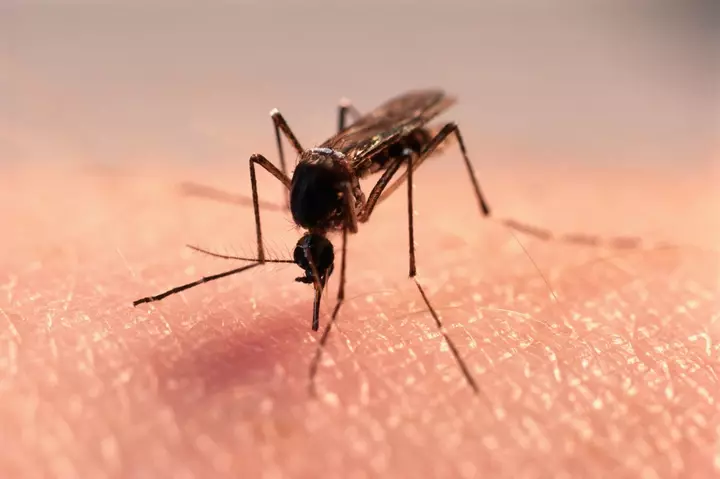
Warmer conditions can make environments that were previously less suitable for Aedes mosquitoes increasingly hospitable. Urbanization adds another layer because cities give these mosquitoes something they need in abundance: people, buildings, and countless small containers capable of holding water. The biology is remarkably simple.
Aedes mosquitoes lay eggs in containers that hold water. The larvae and pupae develop in that water before emerging as adults. According to the Centers for Disease Control and Prevention (CDC), Aedes mosquitoes can develop from egg to adult in as little as seven to 10 days, and they can use everything from buckets and flowerpots to other small water-holding containers as breeding sites.
Extract — continue reading at the source.