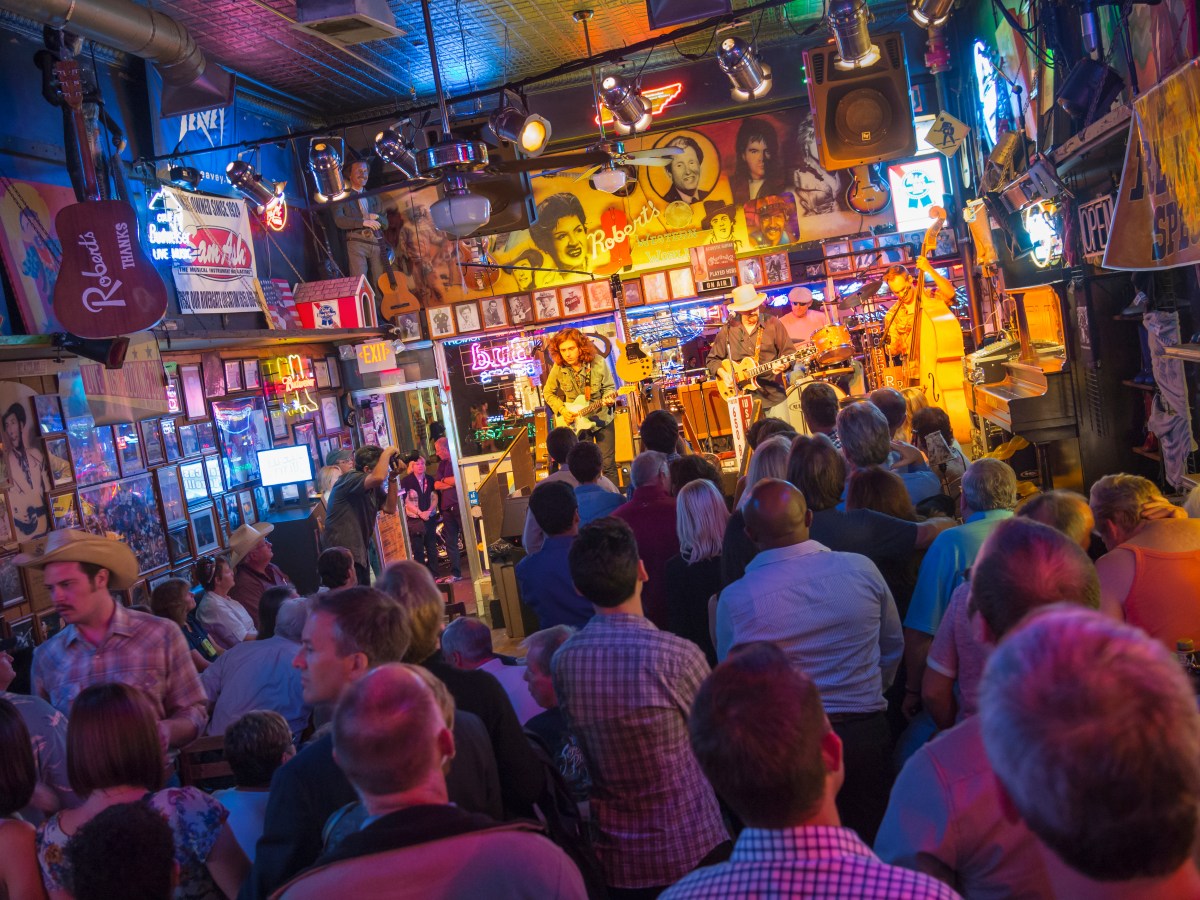
Jazz grew through New Orleans neighborhoods, clubs, and dance halls. Hip-hop emerged from block parties in the Bronx. Country music found a national audience through regional traditions and the 1927 Bristol Sessions.
Seattle gave grunge a home before the rest of the country gave it a name. Punk built itself through local scenes and small rooms. None of those movements needed a boardroom to tell them they mattered.
A musician needs somewhere to play, someone willing to listen, and a community that keeps showing up. That sounds almost quaint in an era when an algorithm can put a song in front of millions of people before the artist has played a hundred live shows. Yet the global recorded music business reached $31.7 billion in 2025, with streaming accounting for 69.6 percent of recorded-music revenue.
The machinery for distributing music has never been more powerful. So why does discovering the next great artist still feel so dependent on geography? Los Angeles, New York, and Nashville possess extraordinary creative infrastructure.
They have labels, managers, promoters, studios, publicists, media, and venues operating within established networks. An artist arriving from a smaller city can have the talent and audience and still find the ladder missing a few rungs. I have seen how important those rungs are.
An artist might begin by playing a college party or a local bar, gradually learning how to command a room and build an audience that returns for the next show. As that following grows, other musicians begin to take notice, opportunities expand, and the artist develops the body of work needed to sustain a career. Eventually, the operation around the music has to grow as well, bringing in a manager, publicist, lawyer, and accountant who can turn local recognition into something capable of reaching a much larger audience.
Extract — continue reading at the source.