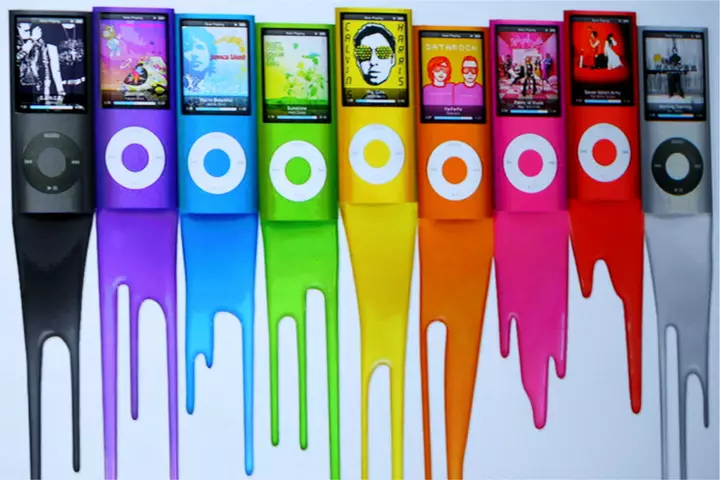
On October 23, 2001, Steve Jobs pulled a small white device from his pocket and promised that listening to music would never be the same again. Twenty-five years later, Apple no longer makes it. But a generation too young to remember its launch is buying, repairing and modifying iPods anyway.
The limitation that helped make the iPod obsolete, that it did little more than play music, has now become part of its appeal for people seeking an escape from permanently connected smartphones. At 23 years old, Lucy was not born when the iPod first hit the shelves. Now, she is the owner of an extensive iPod collection and moderator of Reddit’s r/iPod.
Lucy admitted that she was “late to the iPod bandwagon,” getting her first device in 2021 for her 19th birthday, and marking a generation of iPod users who are deliberately adopting an obsolete technology. For two decades, successive versions of the iPod helped define portable music. But the smartphone gradually erased the need for a separate device dedicated to it.
The death of the iPod was gradual. Apple discontinued the hard-drive, click-wheel iPod classic in 2014 and the nano and shuffle in 2017. The iPod touch survived for another five years.
In May 2022, Apple said the Touch would remain available only “while supplies last,” ending the iPod line altogether. For some younger listeners, the appeal appears to be part of a wider reassessment of how they consume media. The iPod revival overlaps with growing interest in CDs, vinyl and other ways of listening that give consumers greater control over their collections.
Unlike physical media, an iPod remains digital, but it offers some of the same attractions: a finite personal library, local ownership and no need to open a streaming app every time you want to listen. TikTok is littered with videos of young people showing off their adoption of physical media. Videos that share "a day in the life of someone centering physical media over streaming services like Spotify,” feed on the idea of a desire for ownership of media and stepping away from an “always on” culture back to a simpler, slightly lower-tech time.
Extract — continue reading at the source.