Kyiv, Ukraine – The first things Mariya Bubnova recalls about the Sea of Azov are the small sailboats she and her friends rented to cruise its warm and barely salty waters. These days, Azov is no longer the place of wistful memories for Ukrainians like her. Russia seized it all after its invasion of Ukraine in 2022, and hundreds of thousands of people fled.
Bubnova grew up in Mariupol, a southeastern city of almost half a million people and the largest port on Azov. The world’s shallowest sea is the size of Switzerland and was divided between Ukraine and Russia after the 1991 Soviet collapse. Back then, spas and resorts coexisted there with two mammoth steel plants that churned out 40 percent of Ukraine’s steel and polluted the sea breeze.
Bypassing fishing flotillas and jam-packed beaches, dozens of freighters shipped millions of tonnes of steel slabs along with wheat, vegetable oils and coal to the Black Sea and farther to the Mediterranean. Almost 1,500km (932 miles) of Azov’s Ukrainian shoreline was a top budget destination for families with small children who could safely frolic in the knee-deep water with almost no waves. Grown-ups flocked to spas offering curative dirt and thermal waters to treat arthritis, skin conditions and allergies.
In 2011, Bubnova and her husband, Serhiy, started selling fruit and vegetables in Mariupol and then diversified into mass production of salads and pickles. And then Russia began chipping away at their business. In 2014, Moscow annexed the Crimean Peninsula, whose northeastern part frames Azov, and helped separatists carve out two totalitarian, economically stillborn “statelets” north of Mariupol.
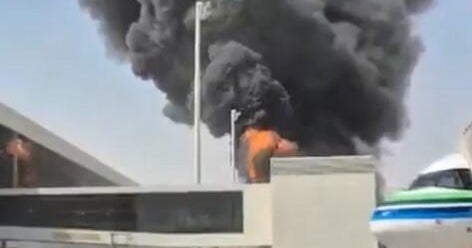
The Bubnovs couldn’t sell their products there any more because of “border checkpoints” and “customs offices”, they say. They received a grant from the United States Agency for International Development (USAID) to produce frozen soups, but the launch of that business was thwarted by Russia’s full-scale invasion in February 2022. Mariupol was hit harder than any Ukrainian city as Russian planes and artillery pounded the city 24/7, killing tens of thousands of civilians and destroying its steel plants and other factories and businesses.
Bubnova’s family fled the city in mid-March that year. Shelling destroyed their equipment worth hundreds of thousands of dollars, and their apartment was appropriated by Russia-appointed “authorities”. Bubnova and her two children fled to the Netherlands.
Extract — continue reading at the source.