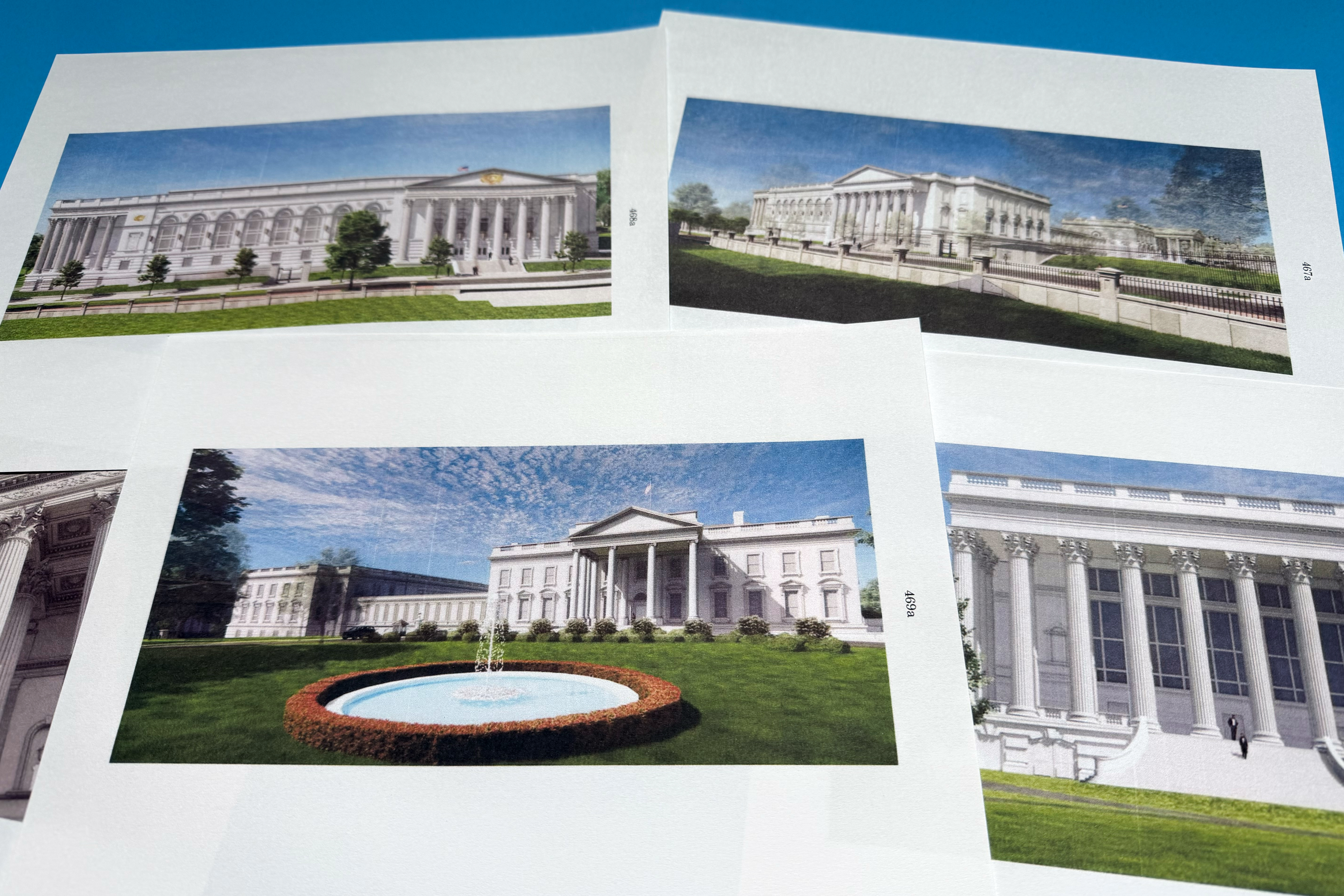
Supreme Court has allowed President Donald Trump to continue construction on a new White House ballroom with a temporary stay issued Friday—just before the aboveground portion of the project was about to be halted. Chief Justice John Roberts, in a one-sentence order, stayed a federal district court judge’s injunction that barred further development. The move gives the full Supreme Court more time to consider the Trump Administration’s request to keep the injunction on hold while it seeks further review.
However, there is no established timeline for when Roberts or the Court might take further action. The ruling comes after months of debate over a legal challenge brought by the National Trust for Historic Preservation, which argues that a President cannot unilaterally make a major, permanent change to federally owned property when Congress has not authorized it, pointing toward the Property Clause of the Constitution. We hope the Supreme Court will uphold the rule of law by stopping this illegal project.” TIME has reached out to the National Trust for comment on the latest development.
Read More: What to Know About Trump’s Aide Natalie Harp Trump reacted to the administrative stay on Truth Social on Friday, praising both the Supreme Court and Roberts, who was appointed by former President George W. Two lower-court decisions brought the dispute before the Supreme Court. First, Senior Judge Richard Leon of the U.S.
District Court for the District of Columbia found that the National Trust was likely to succeed on its claim that the project required congressional approval, and he ruled in March that construction on the aboveground ballroom could not take place while litigation continued. He modified that preliminary injunction on April 16 to clarify that security-related work could continue if it is "strictly necessary to ensure the safety and security of the White House.” The second decision came when the Trump Administration appealed, and a D.C. Circuit panel upheld the modified injunction.
In its August ruling, it said that each President is a “temporary tenant, not the owner,” of the White House. According to Kimberly Wehle, professor of law at the University of Baltimore School of Law, the injunction is meant to ensure that the project does not advance while the courts review its legality, the limits of presidential authority, and whether it might cause irreparable harm. The Trump Administration then asked the Supreme Court to intervene through an emergency application, which is meant for urgent review of time-sensitive matters that fall outside of the typically months- or years-long case review timeline for the country’s highest court.
The case was put in front of Roberts, who oversees emergency appeals filed in the D.C. That led to the administrative stay—a short-term order that freezes a lower court decision or deadline in order to buy time for a bench to review an emergency request. An administrative stay does not reflect a case’s merits or legality; it acts as an interim measure for a future ruling from Roberts or the Court.
Extract — continue reading at the source.