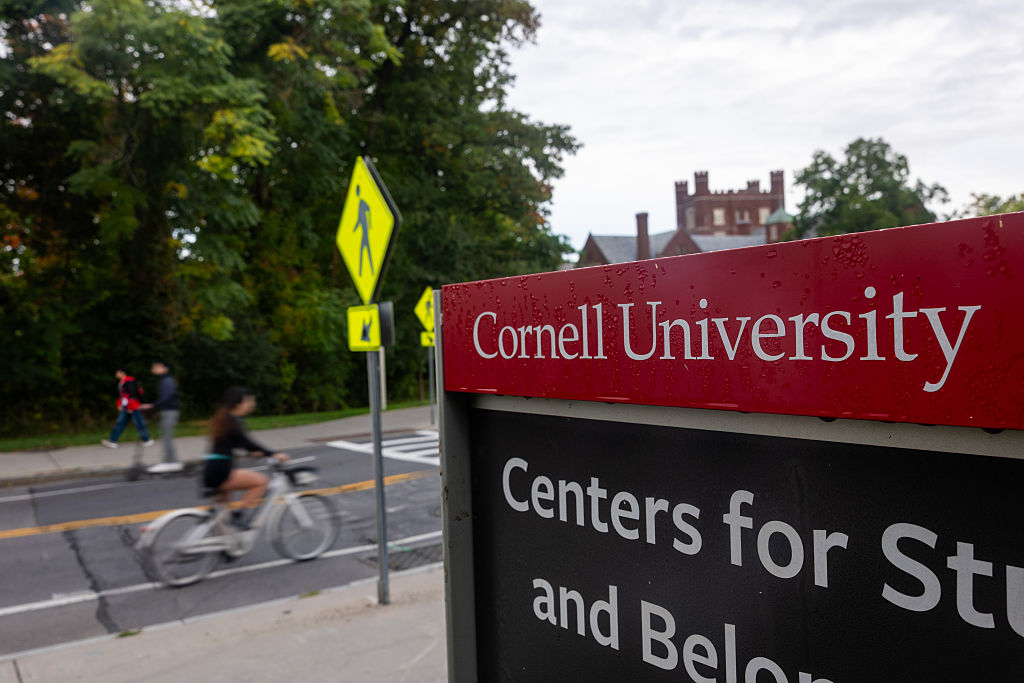
On Sept. 16, a student at Cornell University filed a lawsuit against the university, fraternities, and sororities after she was allegedly drugged and gang-raped by seven fraternity brothers in 2024. The allegations are horrifying. But just as troubling is what the lawsuit describes afterward: a survivor seeking help from the systems meant to protect her and finding, again and again, that she was failed.
In 2026, we are still asking how this happened. The Cornell case is not only about the conduct alleged in one lawsuit. It is about a broader failure of prevention, investigation, and accountability—one that survivors of sexual violence encounter far too often, on campuses and far beyond them.
For nearly a decade, I have worked alongside survivors who made the extraordinarily difficult decision to share their stories. Some became public faces of national reckonings. Many more remained anonymous, fearful of backlash, retaliation, disbelief, or the permanent consequences of public exposure.
Their names did not make headlines. Their pain was no less real. What I have learned is that survivors are often failed more than once: first, by the person who harms them, and then by the very systems that are supposed to prevent, investigate, and respond to sexual violence.
The allegations in the complaint involving Cornell's campus are deeply disturbing, and new ones continue to emerge hour by hour. Just as disturbing is how this young student was reportedly failed afterward. According to her lawsuit and news accounts, the alleged assault involved drugs, multiple perpetrators, and digital evidence.
The complaint has raised serious questions about whether the case was thoroughly investigated after it was reported. That should concern every parent, student, university administrator, and public official, not simply because it occurred at an elite university, but because these failures can occur anywhere. We must start with prevention.
Extract — continue reading at the source.