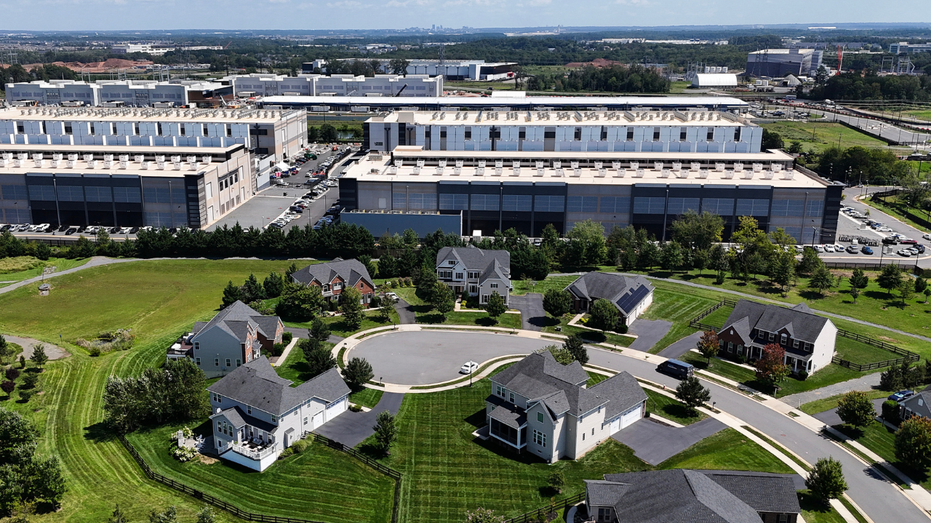
Data centers are placing unprecedented demands on the U.S. electricity system. This is prompting Congress and a growing number of states to confront a sensitive question: Who should pay for the power plants, substations, and transmission lines needed to serve them? Should the costs be swallowed by the companies driving the AI boom, such as Meta, Google, and Microsoft, along with the data center developers building the infrastructure?
Or should they be shouldered by the households and small businesses that receive electricity from the same grid? The House overwhelmingly passed the bipartisan Ratepayer Protection Act on September 16 by a 417-3 vote. The legislation would establish a federal standard intended to prevent households and small businesses from effectively paying for the electricity infrastructure that has been built for exceptionally large power users, such as data centers.
Introduced by Republican Representative Gabe Evans of Colorado and Democratic Representative Kathy Castor of Florida, the Ratepayer Protection Act would amend the Public Utility Regulatory Policies Act of 1978. The new bill applies to businesses or organizations that use a huge amount of electricity at one location, specifically 100 megawatts or more, which is enough to power tens of thousands of homes at once. The proposed federal standard would require those large electricity users to pay the full cost of any new power plants, transmission lines, or grid upgrades needed to serve them.
Power companies would also need guarantees from these large energy users that they will help pay for the upgrades before the work begins. One important distinction to note here is that the bill would require state utility regulators to review the new standard and decide whether or not to adopt it, but it would leave the final decision to the states rather than imposing a single federal rule. It wouldn’t automatically replace existing state systems for setting electricity rates.
In plain terms, the goal is to make sure data centers pay for the infrastructure they need, rather than leaving households and small businesses to pick up part of the bill. The debate over who should pick up the costs associated with data centers has become increasingly pressing as the large-scale facilities are consuming more and more of the nation's electricity. For instance, in a 2024 report, the Department of Energy's Lawrence Berkeley National Laboratory estimated that U.S. data centers used about 176 terawatt-hours of electricity in 2023, accounting for 4.4 percent of total U.S. power consumption.
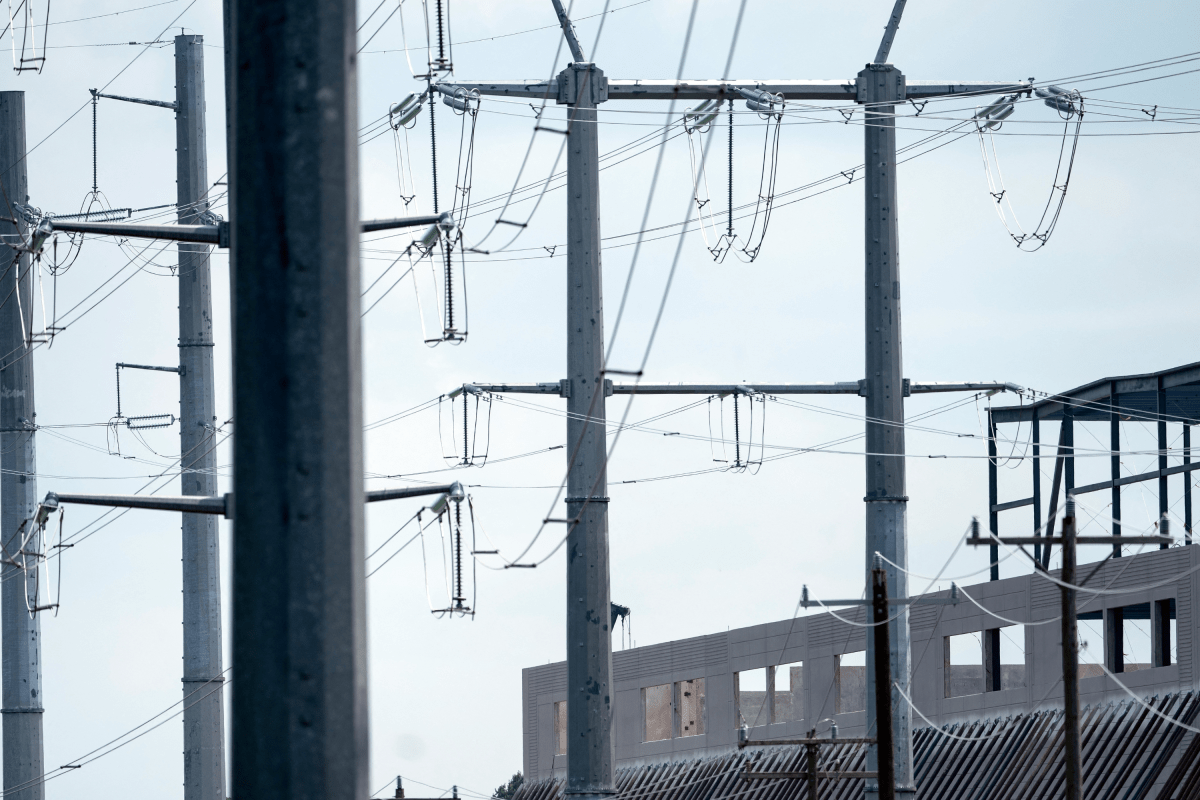
The report projected that consumption could rise to between 325 and 580 terawatt-hours by 2028, representing between 6.7 percent and 12 percent of U.S. electricity demand. To meet that growing demand, utilities may have to spend millions or even billions of dollars on new power lines, substations, and other grid upgrades. Supporters of the legislation argue that if a major data center project is delayed, scaled back, or uses less electricity than expected, utilities could attempt to recover some of those costs from their broader customer base through higher electricity rates.
Extract — continue reading at the source.