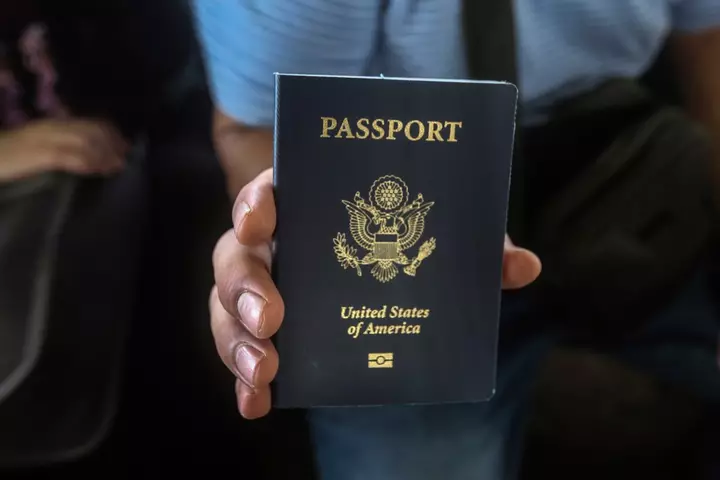
A nearly unprecedented number of Americans have voluntarily renounced their citizenship or relinquished their U.S. residency status since the start of the year. A total of 4,574 names appeared on the Federal Register’s U.S. expatriation list over the first three quarters of the year, representing individuals whose loss of U.S. citizenship or long-term permanent resident status was reported to the Treasury Department. The latest quarterly update, issued on Thursday, shows that 1,331 names appeared on the register between July and September alone, although the number was down from 1,462 between January and March and 1,781 between April and June.
Despite this modest quarterly dip, it is clear when comparing these numbers to previous years that 2026 has seen an unusually high number of Americans renounce U.S. citizenship or give up their permanent residency. According to a recent analysis by Greenback Expat Tax Service, the number of Americans losing citizenship or permanent resident status averaged below 500 between 2000 and 2008, with just 452 names on average reported each year during that period. Renunciations started surging after Congress passed the Foreign Account Tax Compliance Act, or FATCA, in 2010.
This federal law requires foreign financial institutions and certain other non-financial foreign entities to report on the foreign assets held by their U.S. account holders. Critics say the reporting requirements, combined with the United States' citizenship-based tax system, increased the compliance burden on many Americans living abroad. The law came into force in 2014, with over 100 countries agreeing to implement it.
Especially for so-called "accidental Americans," people who might have U.S. citizenship without ever having lived in the country or having any intention to do so at a certain point in the future, FATCA represented an incentive to cut ties with the country completely. "No matter where you go, every euro, pound, peso you ever make is subject to U.S. tax, in life and in death. And when you’re living in a low-tax jurisdiction like the United Arab Emirates, it’s not fun to be taxed by the U.S.," Alexander Marino, who heads Moody’s, the largest renunciation law practice in the world, previously told Newsweek.
"And when you’re living in a high-tax jurisdiction, like the U.K., having two hands in your cookie jar is also never fun." The Treasury’s list does not tell us exactly when individuals renounced their U.S. citizenship, but only when the department was notified of their change in status. But the past 10 years of data show that the number of Americans doing so has grown significantly. The register’s U.S. expatriation list reached a record of 5,411 names in 2016, the same year Trump won his first presidential election, beating Hillary Clinton in the November election.
This record was beaten in 2020, when the register listed a total of 6,707 names. Based on the quarterly reports issued this year so far, 2026 seems on track to beat the 2016 figure—though potentially coming up behind the 2020 one. However, the actual number of individuals renouncing U.S. citizenship might be higher.
Extract — continue reading at the source.