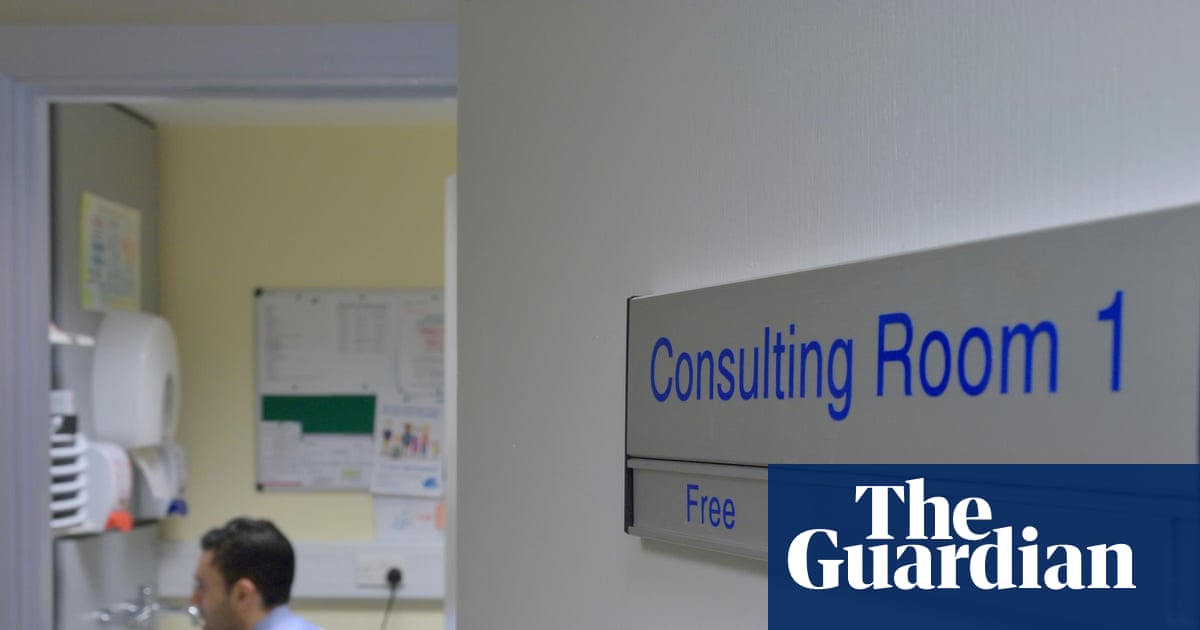
A friendly chat with your GP about your life, health and happiness was once a key part of the UK’s family doctor service. But most GPs no longer have time to have pastoral conversations, because they are too busy dealing with the country’s rising tide of illness, research reveals. Three out of four family doctors are now too time-pressed to talk to patients in depth about how they might stop smoking, lose weight or get more sleep, the Royal College of GPs has found.
Intense demands and ten-minute appointment slots mean they also miss opportunities to discuss taking more exercise with patients or review their medications to see if they still need to be on them. The time to explore patients’ circumstances more fully and offer healthy living advice has been squeezed out of family doctors’ busy schedules, the head of the college said. An RCGP survey of 2,316 GPs across the UK found that 75% had too little time to offer preventative healthcare, such as offering lifestyle advice and administering vaccinations.
The results have raised concern about the government’s drive for the NHS – especially GPs – to do more to prevent people getting ill in the first place. One health expert called them alarming. The college’s president, Prof Victoria Tzortziou Brown, who is a GP in east London, said: “General practice is dealing with enormous demand, so in a busy consultation we inevitably have to prioritise the problems that most need our attention that day.
What can be squeezed out is the time to step back and look more holistically at how we can help that patient stay well in the long term. We will of course advise patients about stopping smoking. But in a busy consultation there may not be enough time to explore in depth whether they want to stop, what has made it difficult in the past, what concerns they have and what support or treatment might work best for them.
But “the reality is that when you’re working in a busy surgery, with a long list of patients to be seen, there isn’t always enough time in consultations to go beyond the issue a patient has come in for that day”. The chief executive of the King’s Fund health thinktank, Sarah Woolnough, said: “With life expectancy in the UK among the lowest of most comparable countries, these findings are alarming as many GPs say they are too overwhelmed to carry out these important interventions, and may be missing conditions that could be treated earlier. The findings raise questions about ministers’ plan to make the NHS in England move “from sickness to prevention” in how it operates – one of the three “big shifts” outlined in the government’s ten-year health plan last year.
That was more than trust the NHS website (51%), pharmacists (38%), family and friends (22%), AI chatbots (7%) and social media influencers (5%). The Department of Health and Social Care did not comment directly on the RCGP’s findings, but a spokesperson said: “GPs play a vital role in our National Health Service, which is exactly why we’ve placed them at the heart of our ten-year health plan and our shift to community and neighbourhood health services. Noting an investment of £1.7bn into general practice and the recruitment of 2,000 additonal GPs, they said: “We know there is more to do and we will continue to work with the Royal College of General Practitioners and other partners as we rebuild and modernise the NHS.
Extract — continue reading at the source.