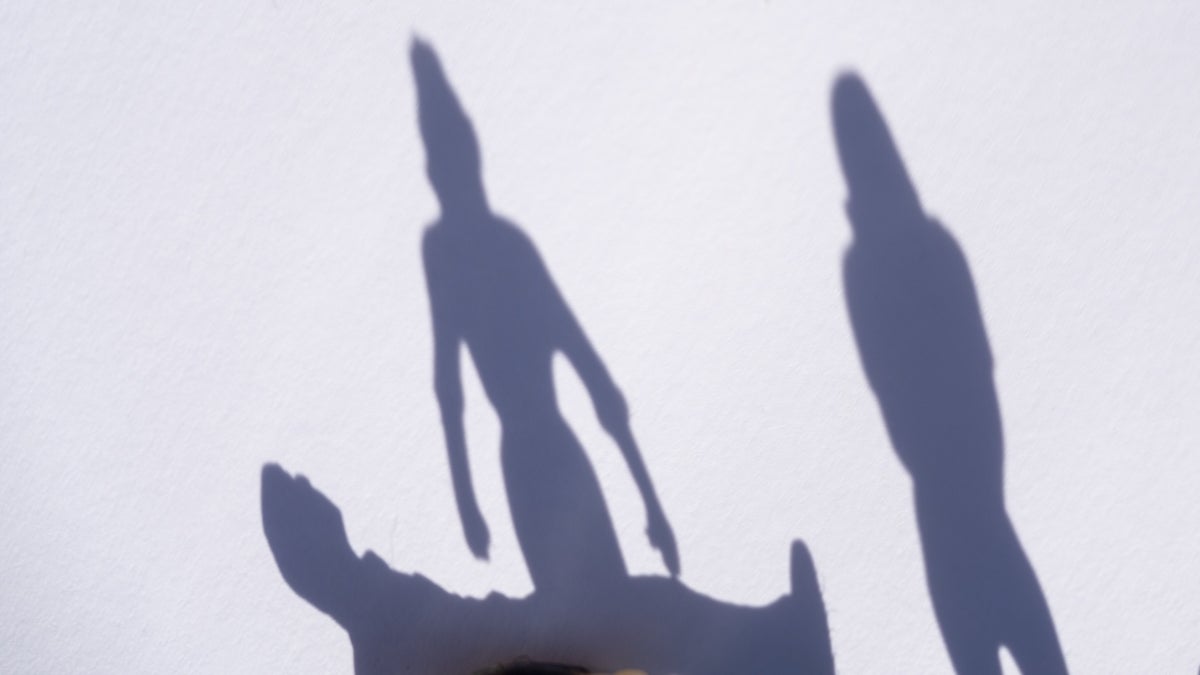
Multiple cultures have legends of so-called shadow people, who are supernatural dark silhouettes that resemble living human shadows ( ) It was a polite enough question, but under the circumstances, an incredibly intrusive one. It was the summer of 2016, and I was sleeping in a wall tent at a horse camp in Cooper Landing, Alaska, a small town on the Kenai Peninsula 100 miles from Anchorage. I fell asleep while reading Michael Punke’s The Revenant, a revenge drama set on the American frontier in 1823.
A revenant, mind you, is a person who returns from the dead. The voice woke me up, but in that fuzzy, sleep-paralysis kind of way. I looked to the tent door and saw the outlines of three tall, slender, and shadowy figures against the Alaskan night twilight.
I wasn’t quite awake, but I wasn’t asleep either. The next thing I remember, I was awake. It had clearly been just a dream.
Around 6:00 A.M., I pulled my XtraTuff boots and Carhartt work pants up and headed into our group kitchen. We were a ragtag team of archaeologists, Kenaitze Indian Tribal members, and U.S. Forest Service workers who were working together on an excavation at Crescent Creek Campground in the Chugach National Forest.
Today, the campground has nine tent sites, but it once served as an important living and cache point for the ancient Denai’na culture. Over coffee, I told Robert Bearheart, our cultural guide and archaeological worker, about my dream. Spiritual entities or figures need permission to enter, he added.
This dynamic creates a sense of “give and take” between humans and the spiritual world. They usually appear opaque or pitch-black, and lack distinct facial features or clothing. Depending on the culture or tradition, people sometimes interpret these shadow people as demons, aliens, or disembodied spirits.
Extract — continue reading at the source.