This article has been reviewed according to Science X's editorial process and policies. Editors have highlighted the following attributes while ensuring the content's credibility: Researchers have identified five key ways countries across the globe can be better prepared for the impending El Niño—and reduce its potentially devastating toll on human health. The call to action, led by the University of Bristol and published in The Lancet, highlights that although El Niño is widely acknowledged to exacerbate the wide-ranging health risks posed by climate change, the additional threats it presents remain largely unquantified.
The researchers emphasize that because the El Niño cycle can be forecast months in advance, preparatory measures should be put in place to mitigate the impact, especially in the most vulnerable countries. Ruby Lieber, senior research associate in climate science at the University of Bristol, said, "We know the number of people affected by climate-related disasters is strongly influenced by the El Niño cycle, but there is little evidence available establishing how much of the health burden can be attributed to climate change and how much was driven by El Niño. "Since the current El Niño pushes many regions into more extreme climates, there's a pressing and unprecedented need to better understand, measure and pinpoint the different dangers for individual countries and places." The study recommends five important actions to gain this comprehensive overview of risks, which is key to tackling and minimizing the likely consequences, including the spread of infectious diseases, malnutrition and various heat-related conditions such as dehydration and heatstroke.
Lieber said, "These steps will require greater collaboration between climate and health researchers and, equally fundamental, concerted action among research funders, the World Health Organization (WHO), the wider U.N. system, the World Bank and nongovernmental organizations. "Working in partnership is imperative, and such global entities need to urgently draw on advances in attribution science to more accurately recognize and assess how much of the repercussions are the result of human-induced climate change and how much are a result of El Niño. By isolating the El Niño–related impacts, we can generate much more targeted and event-specific actions." Discover the latest in science, tech, and space with over 100,000 subscribers who rely on Phys.org for daily insights. d research that matter—daily or weekly.
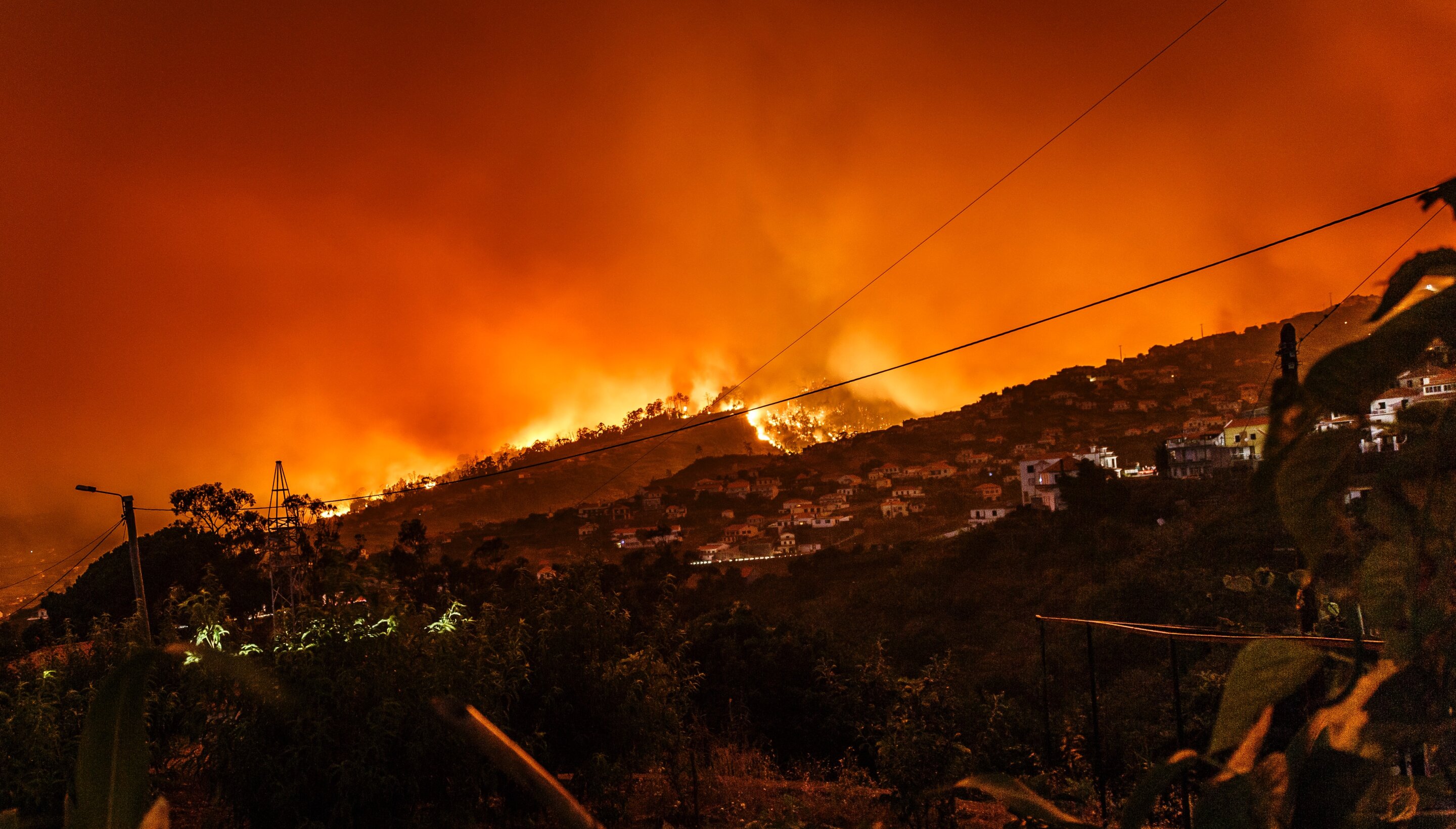
A significant El Niño, which describes the warming of sea surface temperatures, is likely to occur toward the end of this year, with some forecasts predicting the strongest event on record. The direct effects of El Niño will be felt across the globe and may increase instances of extreme weather in regions such as India, East Asia, South America, parts of Africa and the western Pacific. Co-author Dann Mitchell, Shanta professorial chair in planetary health at the University of Bristol, added, "It's clear that we cannot afford to ignore this emerging threat, which poses potentially devastating but predictable risks to communities around the world.
"Climate and health researchers must unite, with the full backing of national and international agencies, to create a much more advanced evidence base. This will enable us to ramp up global resilience and implement adaptation strategies to mitigate the many deeply concerning health implications, particularly for countries more acutely exposed." Ruby Lieber et al, Enhancing preparedness for the impending super El Niño, The Lancet (2026). DOI: 10.1016/s0140-6736(26)01826-x MA in English, copy editor since 2021 with experience in higher education and health content.
Dedicated to trustworthy science news. Full profile → Master's in physics with research experience. Long-time science news enthusiast.
Extract — continue reading at the source.


