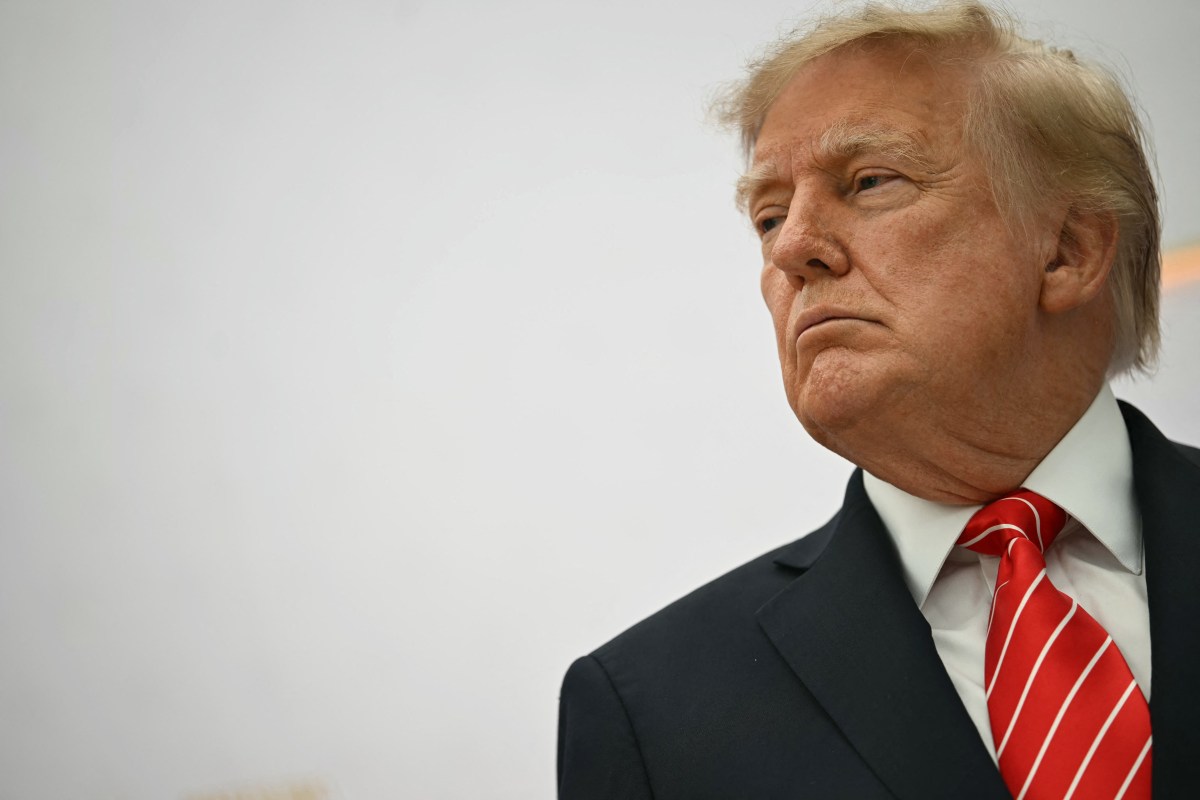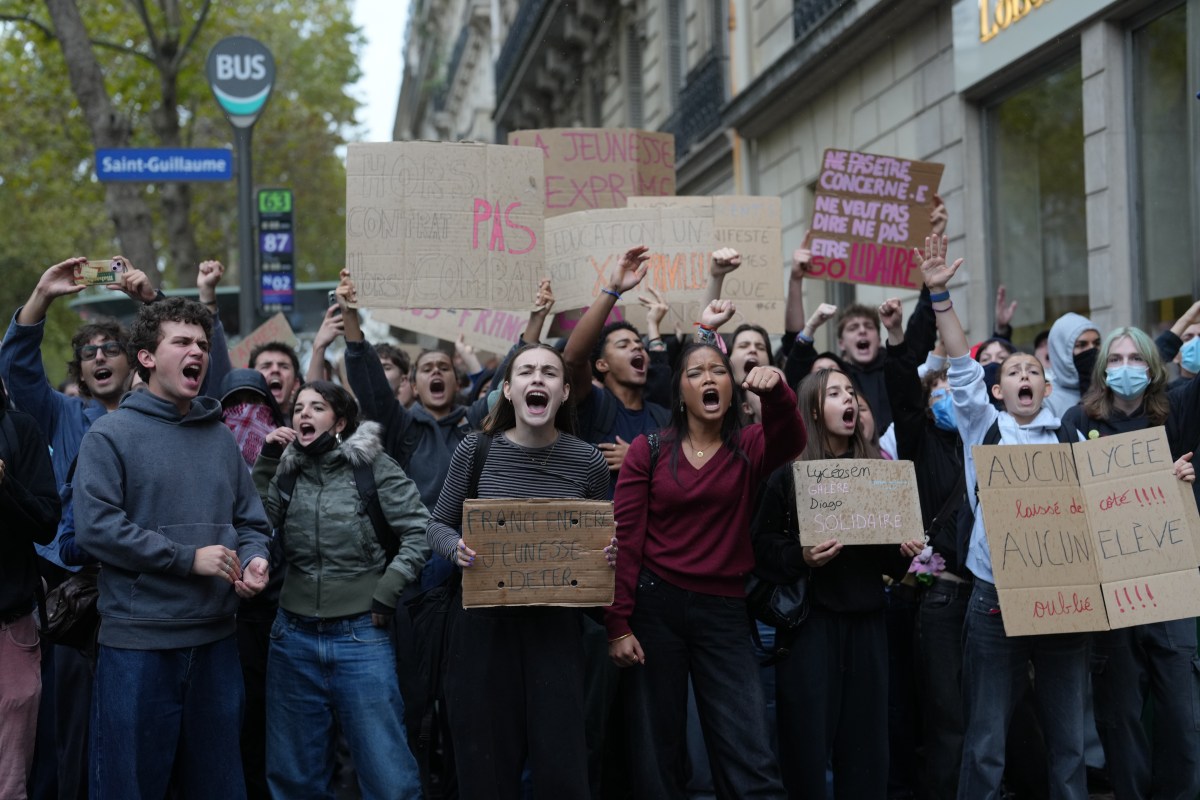
President Donald Trump blamed Islam for France's school protests...and it sounded like exactly the sort of thing he would say. We laughed about it and even made clever jokes about the president writing his own French tragedy. Students were protesting overcrowded classrooms, teacher shortages and crumbling school buildings, and the international press was offering perfectly conventional explanations for what was happening, while our own president was screaming "ISLAM!" His accusation was inflammatory, provocative, reductive and, we thought, absurd.
As videos from France began circulating on social media, a more uncomfortable question emerged: what if Trump's sweeping explanation, however exaggerated, touched on something traditional coverage wasn't adequately exploring? Consider what happened at the François-Villon high school in Beaugency, where students participating in a school blockade were filmed singing along to a rap song referencing Mohamed Merah and Salah Abdeslam. Merah murdered three French soldiers before killing a rabbi and three children at a Jewish school in Toulouse in 2012.
Abdeslam was convicted for his role in the November 2015 Paris terrorist attacks, which killed 130 people, including 90 at the Bataclan concert hall. The song, "MRH", by French rapper BORO700, invokes both men and the Bataclan massacre. The footage prompted a criminal investigation into suspected glorification of terrorism.
Three minors were taken into custody, and the rapper himself is scheduled to appear in court later this month. French teenagers, protesting outside a school where they are supposed to be learning about their country's history, were singing lyrics invoking men responsible for some of the most horrific terrorist attacks in modern French history. To be clear, the complaints about French schools are real: on October 6, more than 266,000 people demonstrated nationwide, according to government figures, demanding better conditions and more education funding.
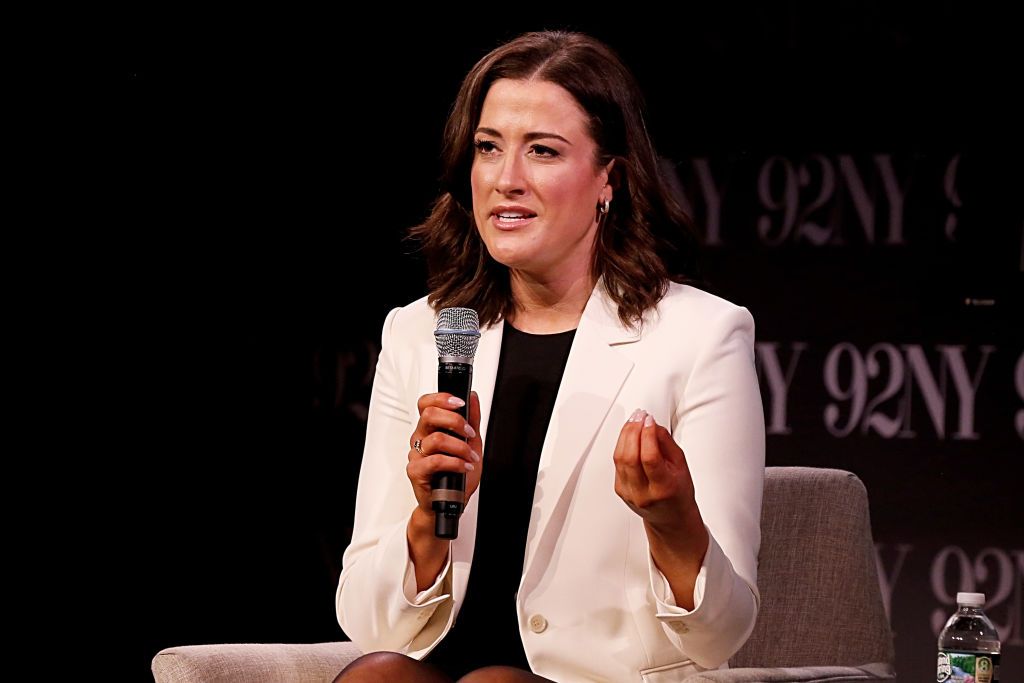
Teacher shortages and deteriorating buildings are not inventions of the press; they are protest-worthy issues French students have battled for years. Fareen Parvez, an associate professor at the University of Massachusetts and author of Politicizing Islam: the Islamic Revival in France and India, argues that questions about religion should not overshadow the movement's demands. "I think the protest movement is clear about its demands, which are focused on the rights of youth to have basic humane conditions for their education.
Bringing in religion is a serious red herring," she told Newsweek. "There have been urban uprisings over many years in France, and these are always about class conditions, as they intersect with racism and police violence. And each time, pundits try to make it about Islam." Florence Bergeaud-Blackler, an anthropologist at the French National Centre for Scientific Research (CNRS) and president of CERIF, the European Centre for Research and Information on Frerism, offers a different interpretation.
Extract — continue reading at the source.