President Donald Trump announced on Oct. 2 that 20.8 million eligible Medicare enrollees will receive a one-time $90 premium rebate from the government. It represents the latest payout that the President has made or promised Americans ahead of midterm elections, at a time when 66% of rural voters are worried about affording health care for themselves or their families, according to a KFF/AP poll released Sept. 23. The same survey found that 54% disapproved of Trump’s handling of health care.
The $90 payout is intended to help older Americans pay for their Medicare Part B premiums, which jumped by a record amount from 2025 to 2026. Trump said the payments would come from the roughly $2 billion Medicare Improvement Fund, which Congress established in 2008 to improve Original Medicare, the traditional program covering hospital and medical services. The fund’s authorized uses include adjusting payments to health care providers, but its mandate is broader than those payments alone.
The Administration is presenting the rebates as another way to improve the program by making coverage more affordable. Centers for Medicare and Medicaid Services (CMS) said in an FAQ that the payments would put money “in the hands of our Medicare beneficiaries.” It does not spell out the legal basis for using the fund to send checks directly to enrollees. Read More: We Need to Change How We Think About Aging, Says AARP’s CEO The CMS said most eligible beneficiaries will receive the $90 payment by direct deposit in early October, while others will receive a mailed check.
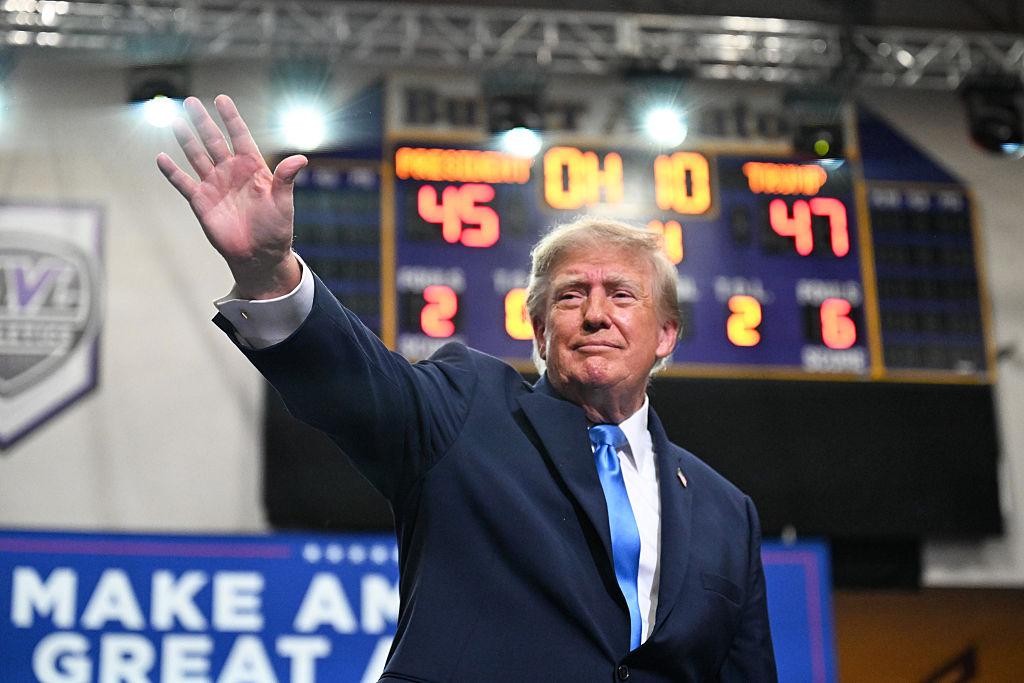
The Medicare rebates follow Trump’s Sept. 10 announcement of $500 refunds for some Affordable Care Act enrollees, who the Administration claims paid excessive fees under Biden. Trump touted these refunds during a rally in Vandalia, Ohio, during which he claimed that his Administration had already sent out nearly a million $500 refund checks—with about 70,000 going to families in Ohio. He also said, without evidence, that Democrats “kept millions and millions of dollars” from Americans.
The White House said that the refunds come from a surplus of ACA marketplace user fees collected under the Biden Administration, which it claimed exceeded the amount needed to operate the federal exchange. For eligible ACA enrollees, the $500 refund could help cover health expenses, but it is a one-time payment—not a reduction in their ongoing insurance premiums. The distinction between a one-time payment and recurring costs is crucial, says Lindsay Allen, a health economist and policy researcher at Northwestern University’s Feinberg School of Medicine.
According to the CMS, the standard monthly Medicare Part B premium rose from $185 in 2025 to $202.90 in 2026. That amounts to an additional $214.80 over a full year, meaning a $90 rebate would cover about 42% of the annual increase for eligible enrollees paying the standard premium—or less than half of a single month’s payment. According to the American Association of Retired Persons’ Financial Security Trends Survey, this year saw a growing number of Americans ages 50 and older feeling financially squeezed.
Extract — continue reading at the source.