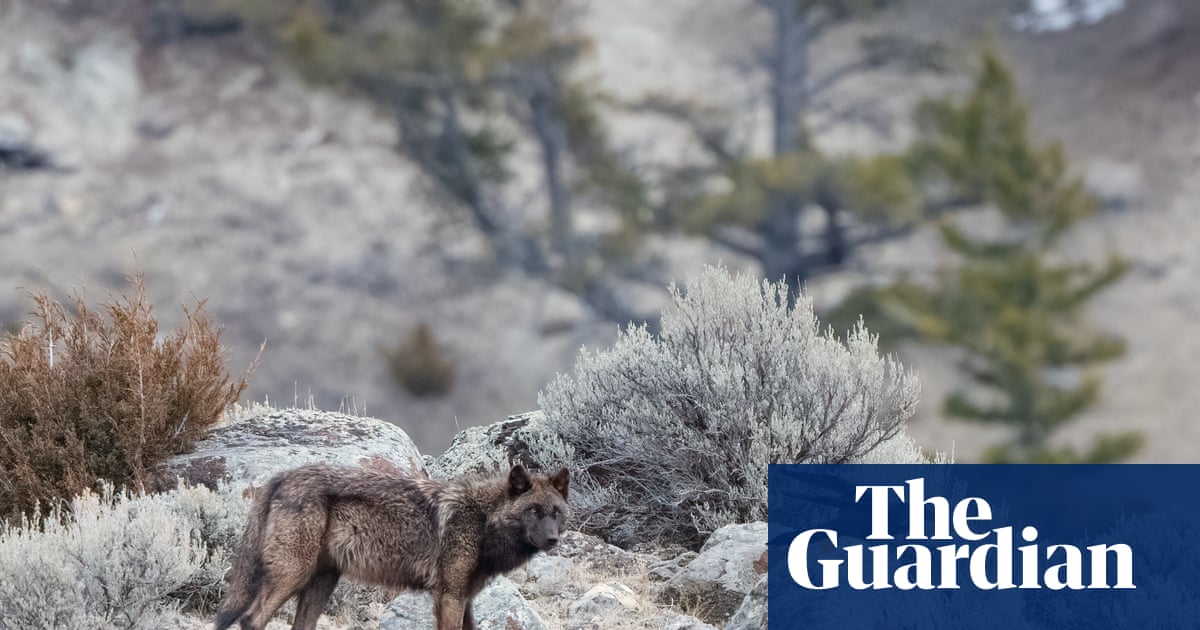
More than 400 endangered animal and plant species could face accelerated extinction after the Donald Trump administration’s decision to rescind a rule that has protected old-growth forests for more than two decades. According to a new report from the Center for Biological Diversity, the rollback of the Bill Clinton-era “roadless rule” could put 7.4m acres of endangered-species habitat and nearly 1,800 miles of protected rivers and streams at risk, while opening more than 45m acres of national forests to roads, drilling and logging. The Trump administration moved last week to rescind the 2001 Roadless Area Conservation Rule, citing “outdated restrictions [that] have kept tens of millions of forested acres off-limits to the very treatments that improve forest health and reduce wildfire risk to our communities”.
Conservationists have criticized the decision. These forests provide clean drinking water to countless communities. Bulldozing more roads through them will mean dirtier water, fragmented wildlife habitat and greater wildfire risk,” said Randi Spivak, public lands policy director at the Center for Biological Diversity.
At-risk species include grizzly bears and gray wolves in the Rocky Mountains, wild salmon in the Pacific Northwest and Alaska, Mexican spotted owls and Gila trout in the south-west, as well as rare butterflies and wildflowers nationwide, according to the report. In the Rocky Mountains, 9.7m acres of roadless areas are at risk, including 2.9m acres of critical habitat and nearly 11,000 miles of streams home to 21 imperiled plant and animal species. Montana’s roadless areas also protect watersheds supplying drinking water to communities in Bozeman, the Flathead Valley and the Seeley-Swan Valley, the report found.
In Alaska, the rollback threatens wild salmon in the 9.3m-acre Tongass national forest, which produces more wild salmon than any other national forest. The region’s $1bn-a-year commercial and sport fishing economy which accounts for one in 10 jobs in south-east Alaska may also be affected, the report noted. The Tongass also supplies drinking water to more than a dozen communities, including Sitka, where about 9,000 people rely on the Blue Lake Reservoir.
Logging and road construction could introduce sediment and jeopardize the city’s federal waiver allowing it to avoid conventional water filtration. In the US south and south-east, eastern hellbenders – North America’s largest salamander species, Carolina northern flying squirrels and bog turtles are among the species at risk. The potential impact includes 1.1m acres of roadless areas and 1,300 miles of streams.
In Georgia, roadless areas in the Chattahoochee national forest protect the river’s headwaters, which provide more than 70% of metro Atlanta’s drinking water to about 5 million people, according to the report. Over in the south-west, nearly 10m acres of roadless areas are at risk, including 1.1m acres of critical habitat and 4,205 miles of waterways supporting 101 federally protected species, including Mexican gray wolves, jaguars, Mexican spotted owls and loach minnows. Some species are found nowhere else in the US, while others survive only in small, isolated populations where “every acre of intact habitat matters”, the report noted.
Extract — continue reading at the source.