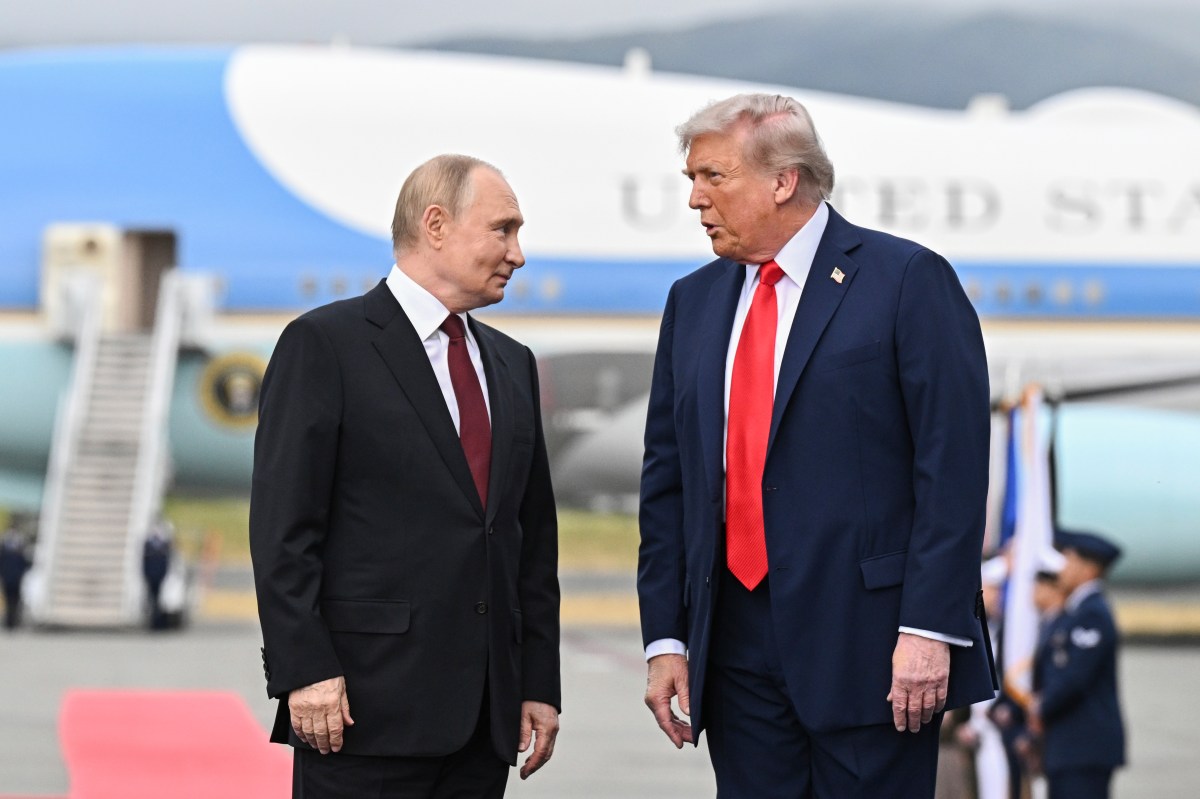
The landmark sanctions and tariffs bill proposed by late Senator Lindsey Graham to ramp up economic pain on Russia will reach President Donald Trump’s desk this week after passing the U.S. House of Representatives with broad bipartisan support on Wednesday. The White House has already said his advisers would recommend the president sign it.
Now, the only question that remains is whether Trump will actually put it to good use. The bill, officially titled the "Lindsey O. Graham Sanctioning Russia and Iran Act of 2026" in memory of the South Carolina Republican who proposed it almost 18 months ago, targets Russian banks, officials and Moscow's shadow fleet, while directing Trump to impose tariffs of up to 100 percent on the biggest buyers of Russian oil and gas.
Supporters of the bill have been perfectly clear about whom they have in mind: China and India. At first glance, the legislation appears to give the Trump administration sweeping powers to punish Russia and any country willing to keep money flowing into the Kremlin’s coffers. In reality, it will serve as a litmus test of Trump’s willingness to put the squeeze on Vladimir Putin.
The full text grants the White House power to apply tariffs of up to 500 percent on Russian goods, but with no minimum. Secondary tariffs on buyers of Russian oil can reach 100 percent, but Trump gets to decide the rate. And Section 115 stipulates that the president can waive any sanction, restriction, or duty if he certifies that doing so is in the "national interests of the United States." In other words, Congress is putting a sledgehammer in Trump’s hands.
Whether he swings it at Moscow’s biggest economic lifelines—or uses it to gently tap in a few nails—is almost entirely up to him. We know Trump can talk the talk, but there’s plenty of precedent to be skeptical of the president’s ability to walk the walk on Russia. In 2025, after a two-hour call with Putin on May 19 produced neither a ceasefire nor fresh U.S. sanctions, Britain and the European Union went ahead with new measures against Moscow without Washington.
Five days later, Russia launched what was then the largest aerial attack of the war on Ukraine. Trump said Putin had "gone absolutely CRAZY" and raised the prospect of additional sanctions. Three days later, he backed down.
Extract — continue reading at the source.