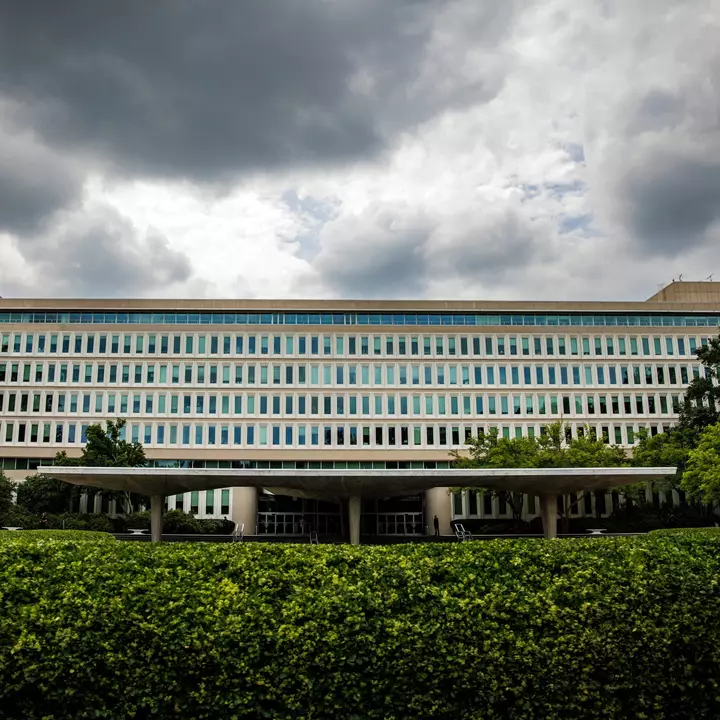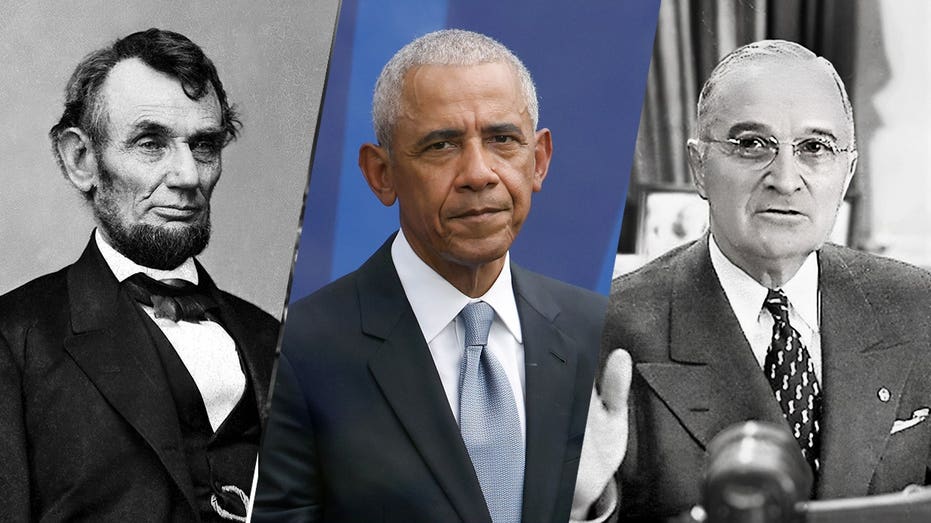
Dan Driscoll’s departure as Army secretary has brought new scrutiny to the Trump administration’s sweeping changes at the Pentagon, with Democrats and some Republicans warning that Defense Secretary Pete Hegseth’s approach is creating instability among the military’s top leaders. But the president replacing senior military leaders is nothing new. Presidents from Abraham Lincoln to Harry Truman have removed commanders when they lost confidence in their leadership, disagreed over strategy or wanted a different direction.
What stands out about the current moment is the pace of the turnover — and the debate over whether the administration’s changes are putting the military on a stronger footing or creating leadership gaps along the way. COMMANDING GENERAL OF THE US ARMY IN EUROPEAN AND AFRICAN THEATER IS UNEXPECTEDLY STEPPING DOWN North Carolina Republican Sen. Thom Tillis said Hegseth is "creating a leadership void at the top of our military ranks" while ranking Democrat on the Senate Armed Services Committee Jack Reed of Rhode Island said, "Hegseth is cultivating a culture where dissent is punished, and competence is secondary to personal allegiance." Under Trump's second term, at least 20 military leaders have departed over a combination of clashes, including over Hegseth's leadership, military strategy, as well as disagreements over DEI, according to a CBS report.
Parnell told Fox News Digital that the Pentagon is "unified behind" Hegseth’s vision. "Secretary Hegseth has been a transformative leader for the Department of War and, at President Trump’s direction, has ushered in a new era of Peace Through Strength. Standards and merit are back, our arsenal is stronger than ever before, and morale and recruitment across every service are at all-time highs," added Parnell.
"Secretary Hegseth has slashed bureaucracy, unleashed innovation, and delivered for our warfighters every step of the way." Presidents dating back to Abraham Lincoln have removed senior military leaders when they believed a change in personnel was necessary — a longstanding feature of civilian control of the military, not a new invention of the current administration. Then-President Barrack Obama accepted Defense Secretary Chuck Hagel resignation in 2014 after the president concluded that new Pentagon leadership was needed amid disagreements over the administration’s strategy against ISIS, Syria policy and the management of the Defense Department. PENTAGON FIRES BACK AFTER MARK KELLY ACCUSES PETE HEGSETH OF TARGETING WOMEN AND BLACK MILITARY OFFICERS Reports at the time indicated the departure was a forced resignation.
Following Hagel's departure, Obama said the former Defense Secretary had "guided the department through this transition" and that it was "an appropriate time for him to complete his service." He praised Hagel for helping modernize the military’s strategy and meet Obama's concern for longterm threats such as China’s rise and Russian aggression. Harry Truman removed five-star Army general and one of the most prominent U.S. commanders of World War II Douglas MacArthur. The two men clashed over the Korean War with Truman wanting to avoid spreading conflict to China while MacArthur advocated for the opposite.
One early example came during the Civil War, when Abraham Lincoln removed Gen. George McClellan as commander of the Army of the Potomac after growing frustrated with his cautious approach to fighting Gen. Lincoln later removed Ambrose Burnside after the Union’s defeat at Fredericksburg and replaced him with Joseph Hooker.
Extract — continue reading at the source.