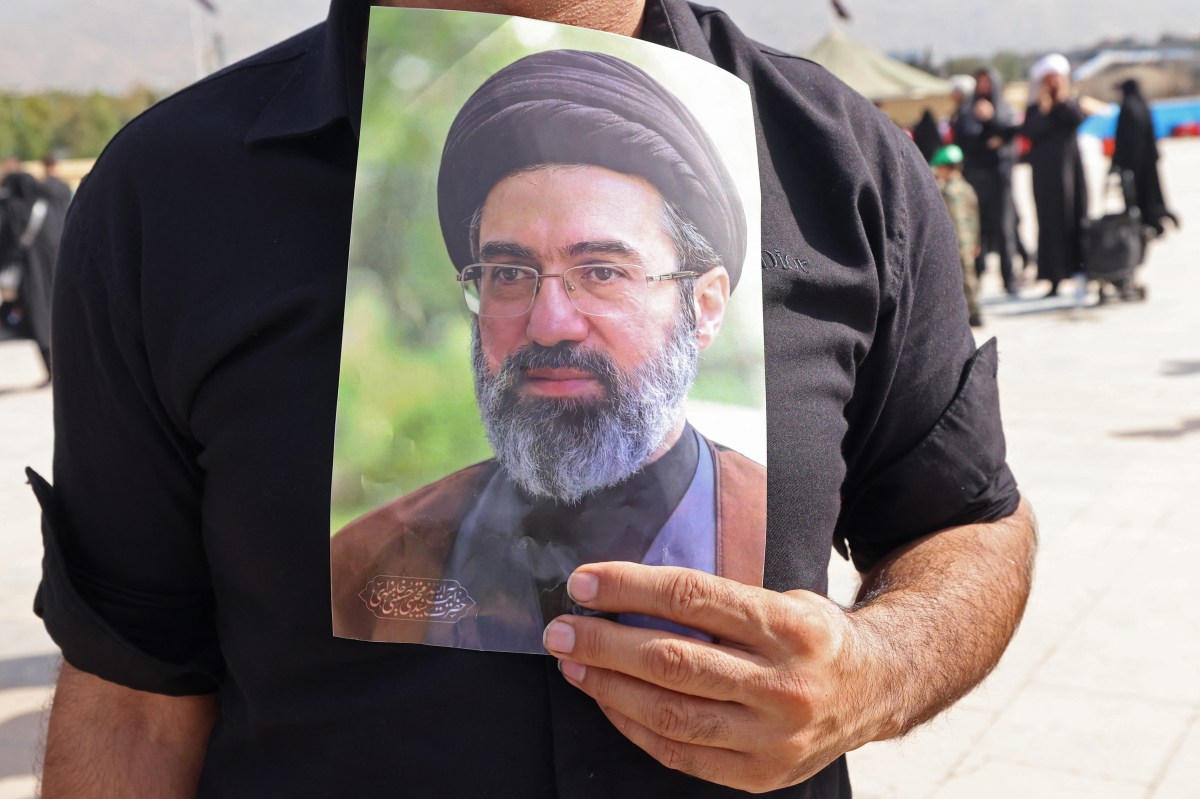
It’s been almost six months since the U.S. killed Iran’s former supreme leader Ali Khamenei in the brutal salvo of American and Israeli strikes that heralded the launch of Operation Epic Fury back in February. Since then, a lot has changed: Tehran has locked down the Strait of Hormuz, Washington has announced another ominously named operation—Economic Outcast—to punish Iran’s economy, and other Middle Eastern countries have launched a NATO-style pact to protect themselves from further threats. One thing has stayed the same: Iran’s new Ayatollah Mojtaba Khamenei remains missing.
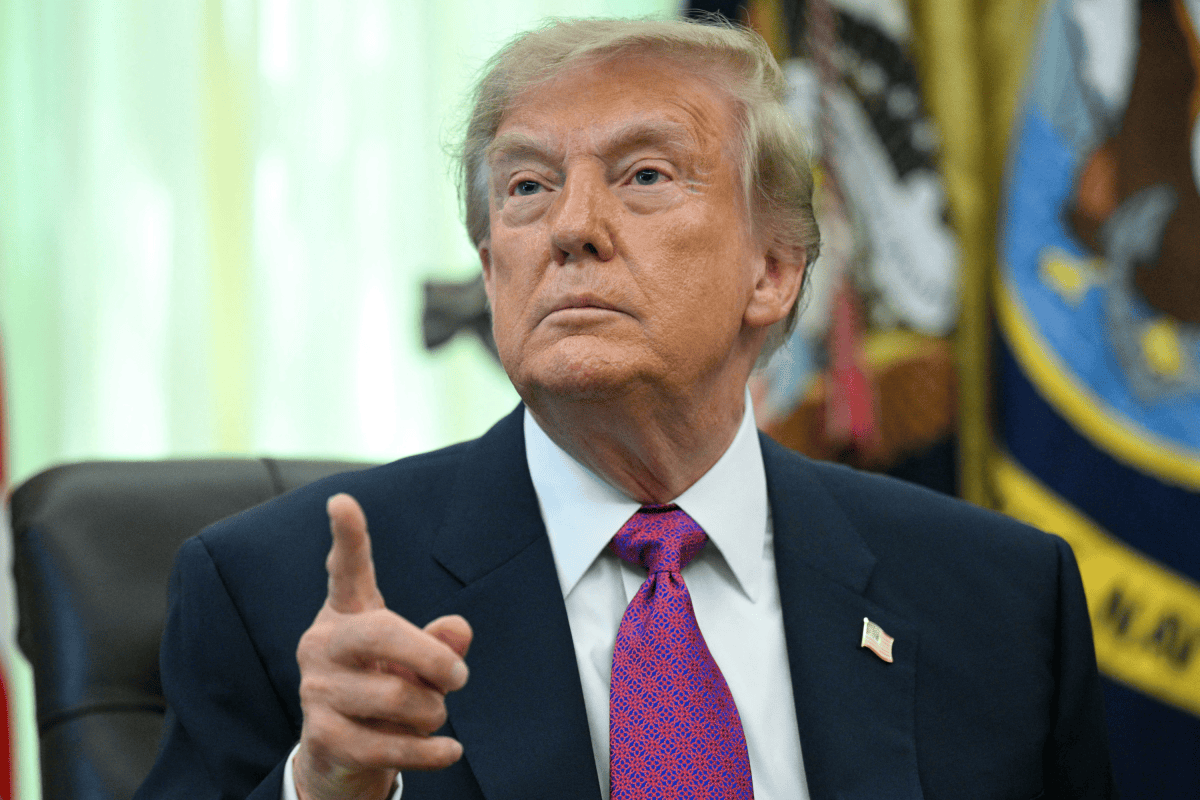
But he’s not dead; not according to Donald Trump. President told Blaze Media’s Glenn Beck in a phone interview today: “I don’t think he’s dead. He was very seriously wounded... if he is dead, they’re putting on a pretty good show.” For Iran, though, it almost doesn’t matter whether Mojtaba is dead or alive.
He can rule the Islamic Republic anyway, even from beyond the grave. Mojtaba Khamenei may carry the family name, but he is nothing compared with the political operator his father became. Ali Khamenei was a dyed-in-the-wool revolutionary and trusted ally of Iran’s first Supreme Leader Ruhollah Khomeini from the very inception of the Islamic Republic in 1979.
Once the Shah had been toppled, Khamenei spent decades cultivating Tehran’s power, building the IRGC and security services while developing vital relationships with each of Iran’s internal factions; first as president from 1981, before becoming supreme leader in 1989 following his predecessor’s death. His son has none of the political experience or control over Iran’s power brokers. Even if he is alive, he is painfully out of his depth and wholly incapable of maintaining control over Iran’s highly influential IRGC and security services—much less leading a country locked in a war with the world’s most powerful military for control of one of the world’s most important chokepoints.
In practice, Iran’s public-facing diplomacy and wartime decision-making have increasingly run through a small group of powerful figures who are now likely the ones actually running the show: parliamentary speaker Mohammad Bagher Ghalibaf, who has acted as Iran’s principal negotiator; Dr. Mohsen Rezaei, the new secretary of the Supreme National Security Council; and General Ahmad Vahidi, the IRGC’s commander-in-chief. By contrast, Mojtaba is a shadow with a letterhead.
He has issued nothing more than a smattering of short statements, transmitted through Iran’s news services and social media networks. There is no way of knowing whether he actually said them. He has not shown his face, appeared in public, delivered a live address or issued so much as a single audio recording since February.
Extract — continue reading at the source.