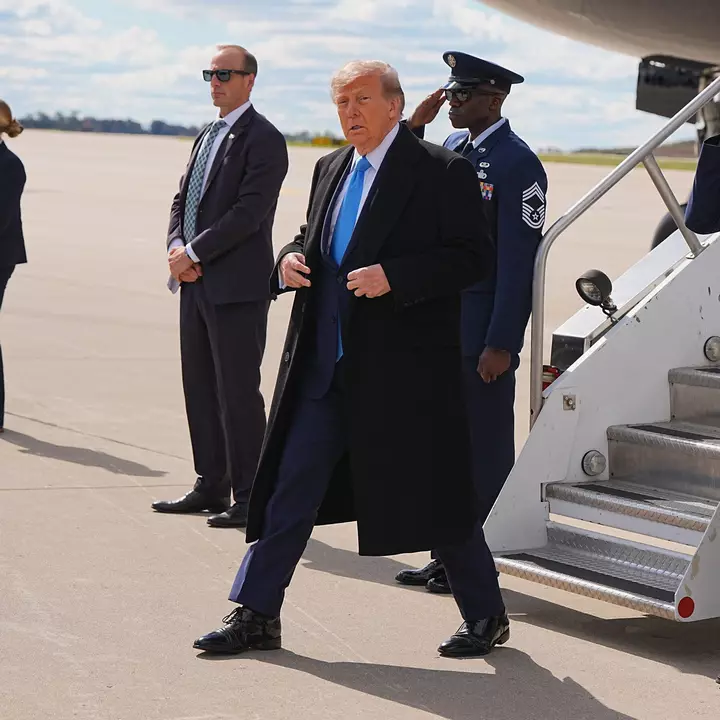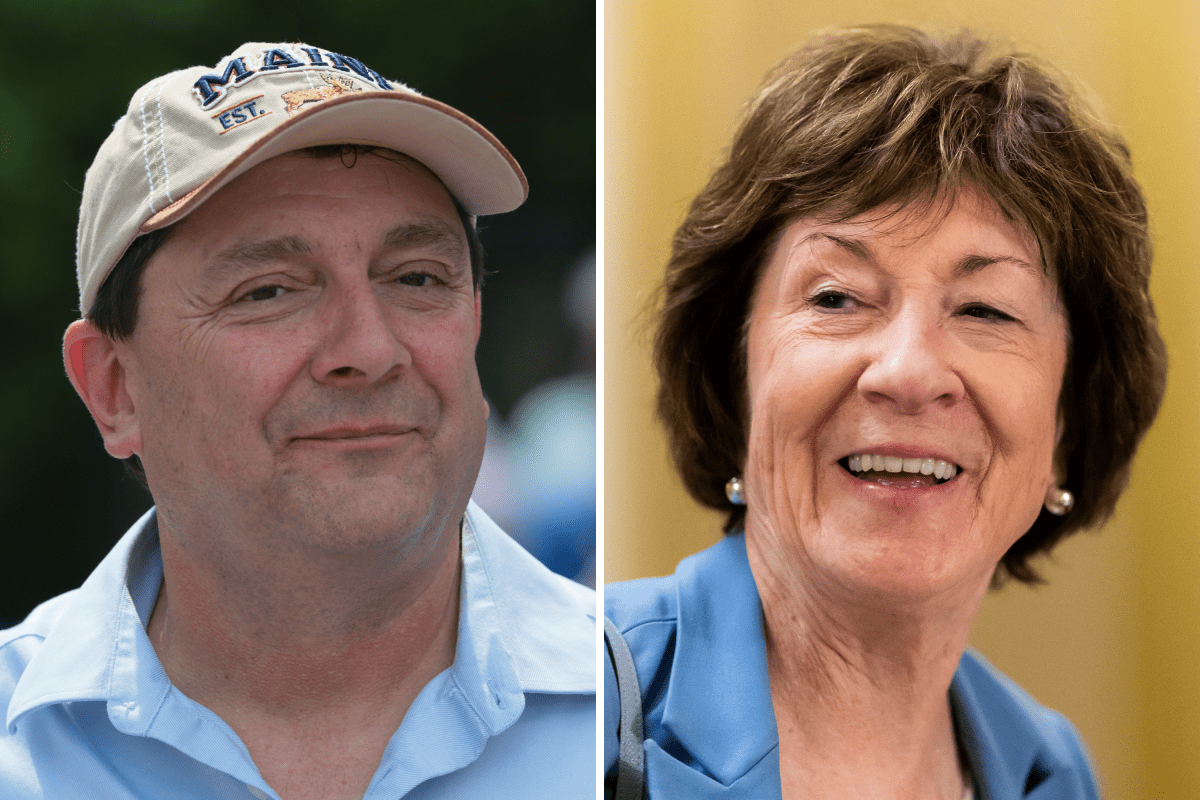
Mainers believe President Donald Trump’s 50 percent tariffs on Canadian goods will hurt their state’s economy as Republican Senator Susan Collins faces a tight race against Democratic challenger Troy Jackson in this year’s midterms, according to a new poll. The Maine Senate race is expected to be one of the closest of the 2026 midterm elections. The state generally leans toward Democrats, but Collins has been able to win by large margins in the past due to her personal popularity and moderate image among the electorate, which has a notable independent streak.
But Democrats believe she could face her toughest reelection challenge yet against Jackson, the former president of the Maine Senate, as Trump’s national approval rating worsens amid concerns around the economy and cost of living. His new tariffs on Canada, as well as their retaliatory tariffs, could also reverberate across the state and impact the race. Newsweek reached out to the Collins and Jackson campaigns for comment via email and is awaiting responses.
The Trump administration recently announced 50 percent tariffs on $20 billion worth of Canadian goods, and Canada responded with retaliatory tariffs on American goods including steel, dairy products, appliances and farm equipment. Historically, the two countries have enjoyed close economic ties, but Trump’s approach to trade and comments about annexing Canada as the 51st state have disrupted that longstanding relationship. The impact could potentially resonate in Maine, which has an economy tied to Canada.
Critics have warned the tariffs could be disruptive to key industries including lumber and forestry. However, Ottawa has dropped a tariff on lobster, a major relief to Maine lobstermen. New survey data from Canadian polling firm Abacus Data showed that 70 percent of Mainers said they believed the tariffs would "mostly hurt" Maine’s economy, while only 11 percent said they would "mostly help" the economy.
The poll surveyed 500 registered voters and 327 likely voters from Maine from August 26 to 28, 2026. The margin of error among registered voters was plus or minus 4.4 percentage points, but larger among likely voters. The tariffs are going to be a challenge for Collins’ reelection, Mark Brewer, professor of political science at the University of Maine in Orono, told Newsweek on Wednesday.
"Just about anything Trump-related hurts Collins. I'm sure she wishes he had not done this. I don't see any real way for her to use this to distance herself outside of making it clear that she does not support these tariffs, which she has already done," he said.
Extract — continue reading at the source.