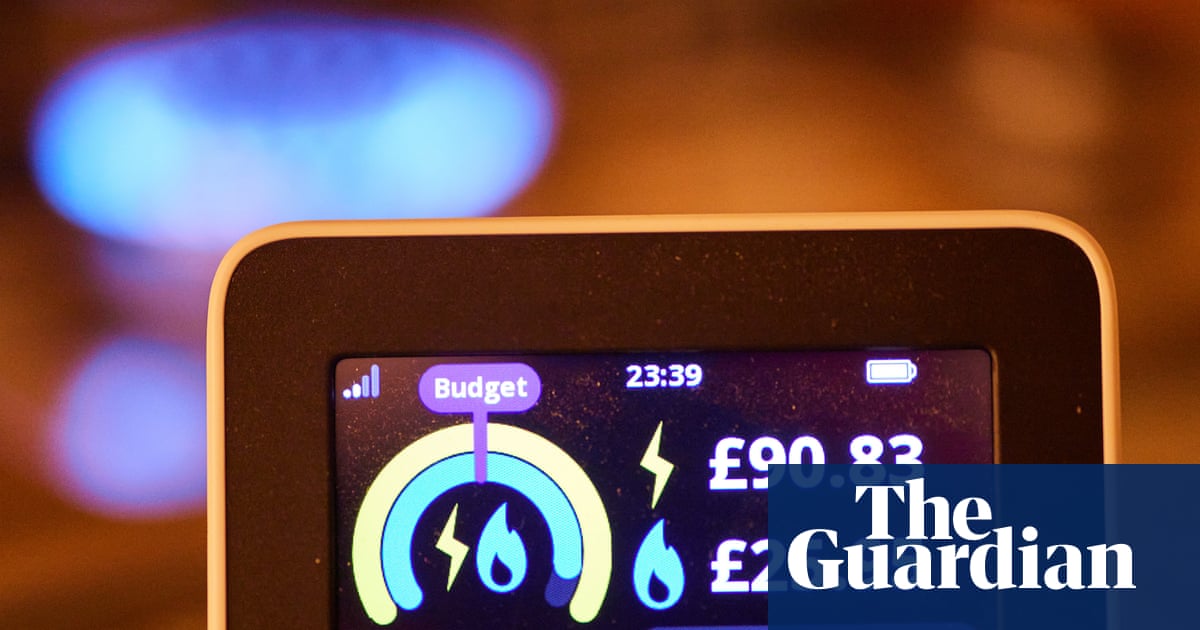
More than 120 organisations including big businesses and charities have called for the removal of “hidden taxes” added to energy bills to help reduce costs for consumers and prevent businesses closing. In a letter to the chancellor the signatories – including Energy UK, business trade body the CBI, End Fuel Poverty and Age UK – called for levies amounting to 10% of energy bills that fund policies to be paid for by the government. John Healey is to present his first budget on 28 October.
The signatories want the remainder of the levy funding the building of renewable energy projects to be scrapped. The former chancellor, Rachel Reeves, shifted 75% of the funding to government taxation last year. The organisations also called for an end to levies to help build nuclear power plants, the funding of the warm homes discount scheme and the feed-in tariff programme, which was closed in 2019 but continues to pay businesses and customers with ongoing contracts for generating their own energy and supplying excess back into the grid.
The letter argues that moving levies off bills would lower the total average household bill by as much as £250 a year, including the £150 saving from Reeves’s moves to cut some levies funding green energy schemes, and lower electricity prices for businesses by 20%. The outbreak of the Iran war has pushed gas and electricity prices up with households facing the highest energy charges in three years this winter. The energy consultant Cornwall Insight forecast that Ofgem, the UK regulator, will increase its quarterly price cap again in January, putting the average annual bill at £1,872.
The government faces growing pressure to tackle the UK’s energy costs, which are some of the highest in the developed world, after its pre-election promise in 2024 to cut energy bills by £300 a year by 2030. The letter, which has been backed by 123 organisations, including energy companies, business bodies, banks, retailers and campaigning groups, says UK energy bills are 70% higher now than they were in 2021. In July, Andy Burnham announced a cut to VAT on domestic energy bills from October, an average saving of £45, although this reduction is currently set to stay in place only until April.
Cheaper electricity would have an outsized impact across the economy.” The letter also warned of the impact on companies, saying: “High energy costs are widely recognised as a significant constraint across the economy, driving business closures and job losses, while simultaneously deterring investment in the UK.”
Extract — continue reading at the source.