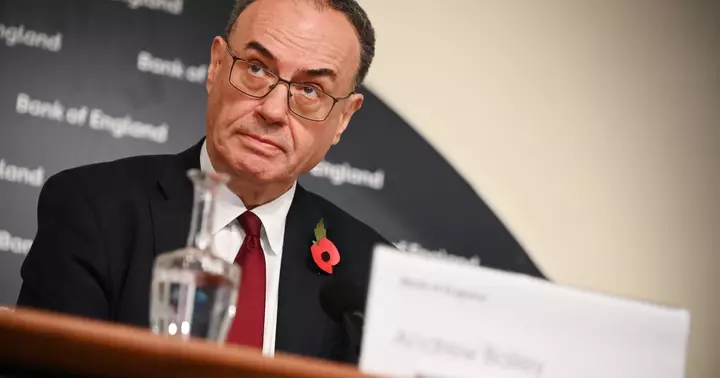
President Donald Trump’s midterm election losses haven’t helped the U.K. economy — yet. The Bank of England's nine-member Monetary Policy Committee announced on `Thursday it has overwhelmingly voted to increase interest rates to 4% from 3.75%, the first time since August 2023 to combat rising prices driven by the war in Iran. Federal Reserve and European Central Bank, the Bank of England has been reluctant to raise rates for fear of denting the British economy.
Until now, Governor Andrew Bailey and other MPC members have preferred to wait and see whether higher energy prices spilled over more broadly. But the Bank was forced to increase rates after U.K. inflation came in at 3.5% in September, while the economy posted better-than-expected growth figures — raising the risk prices could take off. The MPC on Wednesday voted 8-to-1 to raise rates, arguing the energy shock since the war began has built “sufficient” inflation pressures to justify a hike.
The dissenting vote from Catherine Mann was for a larger increase of 0.5 percentage points. But Bailey made no secret of the fact that the future health of the U.K.'s economy depends on what the U.S. does in Iran. Under an adverse scenario, in which prices stay higher for longer and the conflict in the Middle East continues to flare, inflation would hit 6.2% in the third quarter of 2027.
Thursday's decision, which comes a week after Chancellor John Healey delivered his first budget under the specter of Brits paying the highest energy prices in three years, will further squeeze struggling U.K. households and businesses already hit with higher energy bills and mortgage rates. The tougher financing backdrop could hurt the Burnham government’s promises to tackle the cost of living. Yet rampant inflation would also undercut that pledge.
Still, the Bank’s top brass also pushed back on market expectations that rates could by hiked to 4.75% or 5% in 2027 — which could help bring down decades-high government borrowing costs. The decision comes as the rout of Trump’s Republican Party at the U.S. midterm elections on Tuesday raised the prospect of a peace deal in the Middle East. A thaw in the conflict could bring down fuel prices by easing pressure on oil supplies and improve the cost-of-living picture for U.K. households.
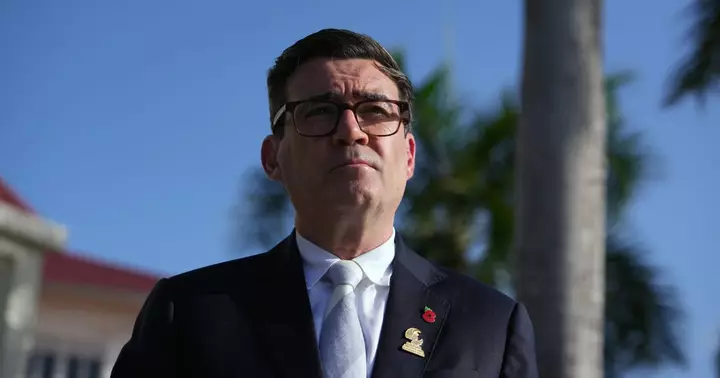
There were reports Trump could respond to his party's losses by embarking on a bombing campaign in the Middle East, but the U.S. president appeared to accept on Wednesday that higher petrol prices affected his popularity and struck a more conciliatory tone on the prospect of peace negotiations. Vice-President JD Vance blamed the Iran war for the electoral losses. Prime Minister Andy Burnham said Wednesday that the elections create an opportunity to focus on the cost of living.
Extract — continue reading at the source.