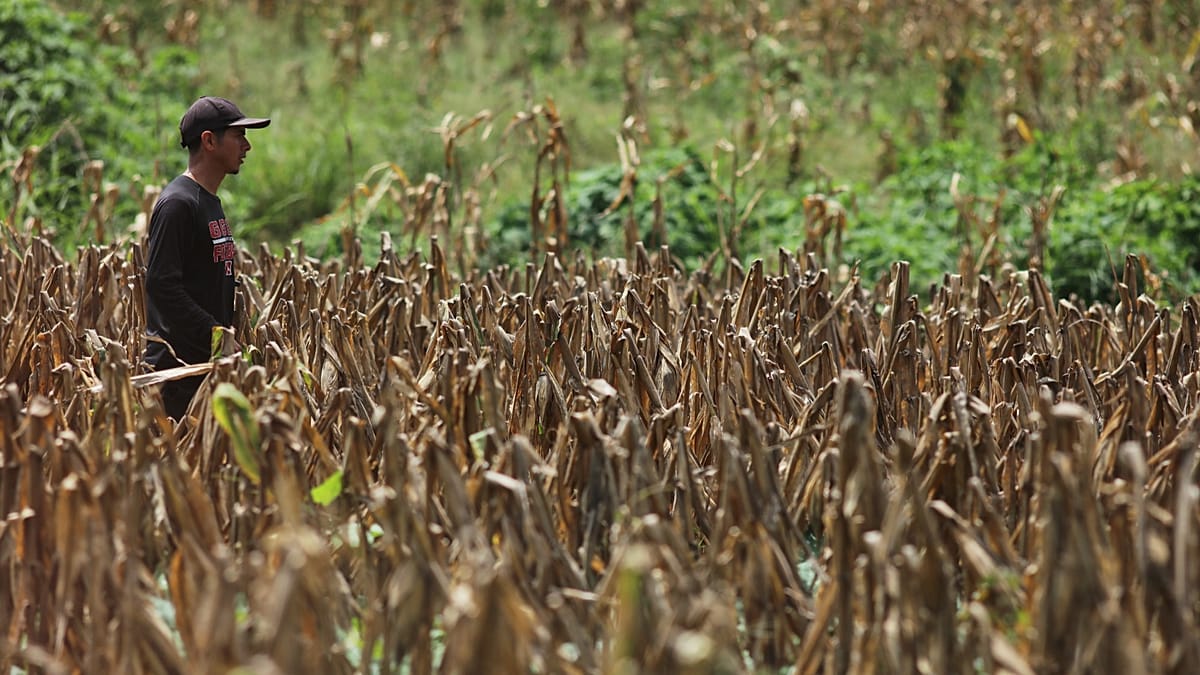
The current El Nino could reach a strength never seen in modern records, United Nations officials warned on Wednesday, calling on governments to act now to limit the damage. "The current El Nino event could be unprecedented in strength. Literally off the monitoring charts that we have used for the past four decades," Celeste Saulo, secretary-general of the World Meteorological Organization (WMO), told reporters in Geneva.
"El Nino will peak towards the end of 2026, but its impacts will be felt long after that," she added. According to the WMO's latest global seasonal climate updates, sea surface temperatures in the tropical Pacific, where the phenomenon originates, could climb as high as 3.8C above average between November and January. That would be far beyond what is normally seen during an El Nino.
"This will have far-reaching consequences for weather patterns across the world," Saulo said. The agency expects the event to push up temperatures across much of the globe, adding to the warming already driven by human-caused climate change. Saulo appeared alongside Tom Fletcher, the UN's under-secretary-general for humanitarian affairs.
"Today, we are issuing a joint call for urgent and coordinated anticipatory action... We cannot stop El Nino, but we can prevent many of its worst human consequences," she said. Fletcher described the coming El Nino as a "wrecking ball" of extreme heat, drought and flooding, warning it would bring "massive humanitarian consequences".
"The damage will not stay in the countries in the immediate path of this El Nino," he said. "It will create economic shocks for the global economy and drive further conflict, displacement, migration. "I am sounding the alarm that the humanitarian system... cannot alone cope with a threat on this scale." He urged governments, development banks and international financial institutions to release funding "before that damage is done, not afterwards".
"The choice is clear: we can wait for disaster or we can invest in resilience. We cannot prevent El Nino but we can be serious about the challenges ahead." Fletcher said he had already released $50 million to support 11 of the most exposed countries, among them Chad, El Salvador, Ethiopia, Somalia and South Sudan. El Nino is a naturally occurring climate pattern in which surface waters in the central and eastern equatorial Pacific become unusually warm.
Extract — continue reading at the source.