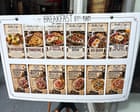
Eating is “such an essential human experience”, said Sennett, a 37-year-old nurse in Denver. It was one of her only lunch options, and she had eaten there before. Increasingly, consumers are encountering AI-generated images of food on restaurant menus or marketing material.
Diners like Sennett say the images are unappealing and misleading, while restaurants say they’re trying to cut costs at a time when food and labor prices are high, so profit margins are slim. A 2026 report from the National Restaurant Association found 26% of restaurant operators use AI to help with marketing, inventory management, employee scheduling, optimizing menus and taking orders. But consumer backlash to the technology can be swift and fierce, especially in the Bay Area, a hotbed for AI development.
When San Francisco cafe Grind & Unwind put up a sign depicting menu options that locals quickly identified as AI-generated, vandals graffitied the storefront with a word cafe owner Lyndsey Lozano deciphered as “seriously”. In a Reddit post titled “Yum, slop”, commenters compared the images of bread to textures like reptile skin and a loofah. Lozano told SFGate in July that the response was “not what we were expecting”, and that the signage was only meant to be temporary.
Lozano and her husband took down the AI signage, and spent an estimated $700 to paint over the graffiti, according to SFGate. Lozano did not respond to the Guardian’s request for comment. Sennett takes some pleasure in AI fumbling food pictures so badly.
Hunter Lewis, editor in chief of Food and Wine magazine, said he’s seeing restaurants grow as they begin to automate parts of their back-end operations. But use of the technology should be invisible to diners, as AI images can be “a real turnoff”, Lewis noted “The American dining public is smart,” he said. When Wyoming restaurant Chugwater Soda Fountain shared its pledge, written on a piece of cardboard, the Instagram post got over 200,000 likes.
Some commenters celebrated the homespun authenticity, while others pointed out the irony of posting the message on an AI-powered platform. Often the thing AI gets wrong is the food’s texture, said Jamie Soja, a professional photographer in the Bay Area who’s shot images for restaurant marketing and for food-delivery services. Tech companies, including food-delivery app DoorDash, are infusing AI into their platforms, intensifying the debate of AI-made menus.
Extract — continue reading at the source.