On May 9, 1915, more than 11,000 British troops were killed or wounded in a single day during an ill-fated assault on an entrenched German position in Aubers, France. The reason for the disaster: a shortage of artillery shells to support the assault, particularly the high-explosive shells best suited for trench warfare. The resulting “Shell Crisis of 1915,” led to a major reorganization of the British government’s defense production system.
It still wasn’t enough to prevent the fall of Prime Minister H.H. The shell crisis of World War I reminds us just how hard it is to prepare for long wars. More than a century later, the world, and warfare, have changed.
But even in a world of fighter jets, nuclear weapons, satellite communications, drones, and AI, ammunition still matters. The decline of the British Empire was followed by the rise of the United States as Earth’s military superpower, the Cold War's onset and end, and numerous conflicts throughout the Middle East. Now, America faces an arms shortage of its own.
Even given the historical precedent, the current U.S. predicament is stunning. The United States spends more on defense than the next seven countries combined, including rivals China and Russia. And yet, the U.S. military finds itself concerned about running short of key munitions in a war with a country, Iran, that could generously be described as a “middle” power.
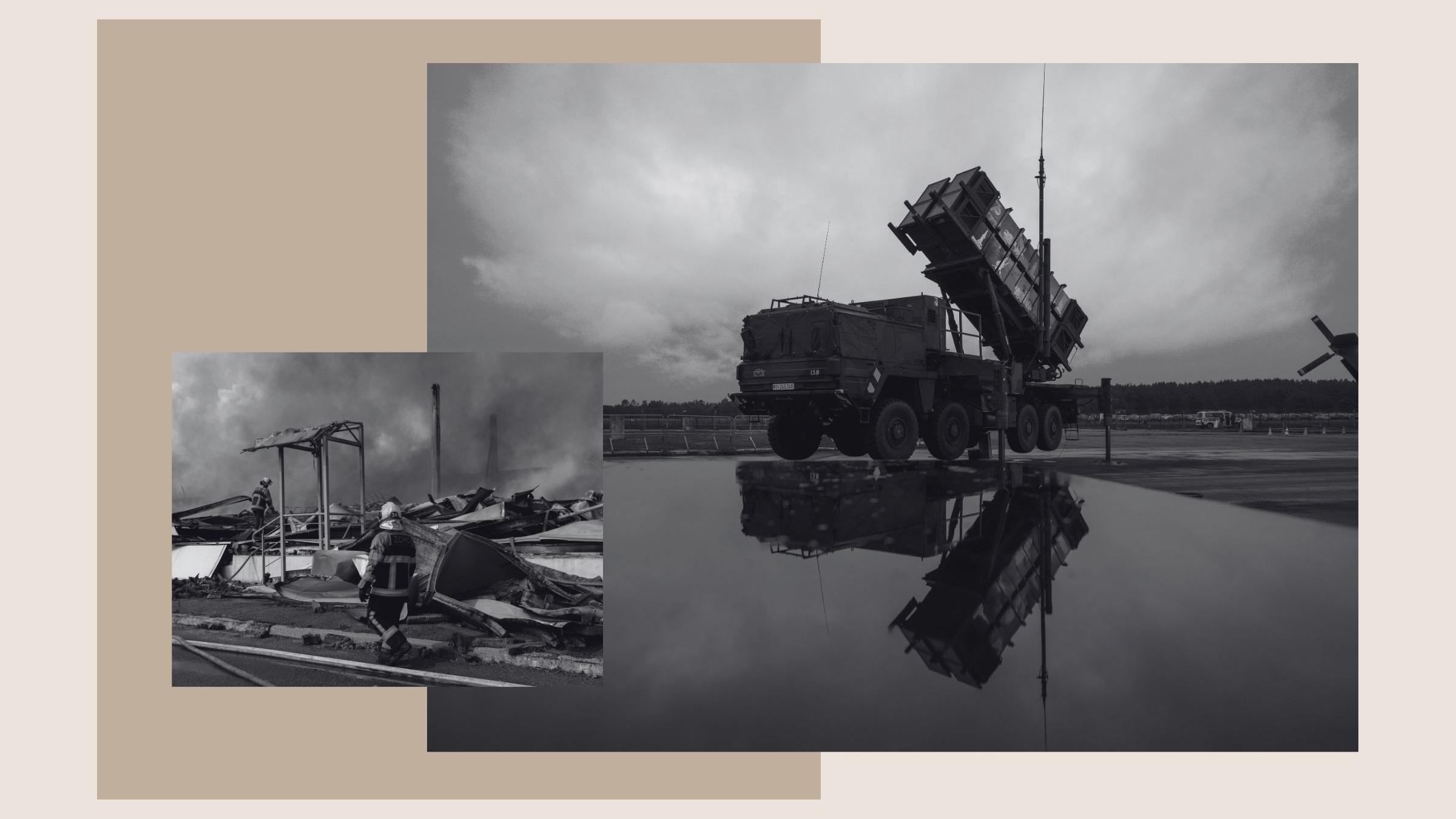
In August, reported that the United States had used up “virtually all” of its long-range precision weapons during five months of fighting with Iran. The U.S. also reportedly used more than two-thirds of its supplies of Patriot interceptors in the Middle East, and the global Patriot shortage has in turn left Ukrainian cities dangerously vulnerable to Russian strikes. President Donald Trump has angrily insisted that the U.S. has “virtually unlimited amounts of Mid to High Grade Ammunition.” However, the Pentagon’s own accounting tells a different story.
An inspector general’s report in September admitted that the war had revealed “strategic inventory shortfalls.” Warnings from his senior military commanders about the state of U.S. stockpiles were reportedly one major reason why Trump has refrained from a return to full-scale combat against Iran. If that’s what a few months of combat with Iran does to U.S. stockpiles, it’s hard to be optimistic about a potential war with China. A CSIS report warns that the U.S. would likely run out of some types of long-range missiles after just a week of combat in a war over Taiwan.
Extract — continue reading at the source.