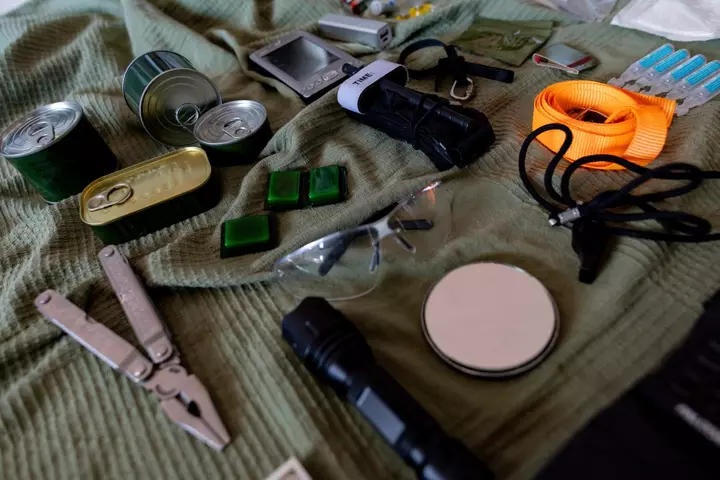
Canada, the U.K. and several countries in Europe have reiterated their guidance to citizens urging them to stockpile in case of emergency. While advice differs between countries, most recommend having enough supplies to last 72 hours in case water and electricity fail. In August of this year, Ireland’s Department of Defense launched the “Be Emergency Ready” campaign, distributing emergency preparedness booklets throughout September to Irish households.
Advice included having basic essentials, such as water and non-perishable food, in case of an emergency or disruption. Americans have been advised to be prepared for several scenarios depending on where they live. Disasters such as floods, hurricanes, tornadoes, and some human-caused events can create public emergencies, with FEMA advising that “preparing for such events is the responsibility of everyone.” According to the agency, a basic emergency supply kit should include the following recommended items: Families have been advised to prepare additional items to suit their needs such as formula, bottles, diapers, and wipes for infants, while books, games, puzzles or other activities are recommended to have for older children.
If you have a pet, FEMA also recommends taking pet food and extra water. Another important item to have is cash, in case of outages affecting cash payment services. The amount of cash recommended is dependent on each household, but official guidance suggests you should have enough for your needs over a given 72-hour period.
In hurricane-prone states such as Florida, Louisiana, Texas, Mississippi, Alabama, South Carolina, and North Carolina, preparedness guidance often emphasizes supplies which can help residents ride out prolonged outages and flooding, including waterproof document storage and materials used to secure homes ahead of storms. Where wildfires are more prevalent, states recommend having N95 masks, air purifiers, and go-bags ready for immediate evacuation. And in states impacted by snow and ice during the winter months, it is recommended households have rock salt, snow shovels, blankets, and alternative heat supplies.
Historically, a 72-hour kit has been a common benchmark for emergency preparedness. However, disasters such as Hurricane Sandy and the 2021 Texas winter storm highlighted how some households may need to remain self-sufficient for a week or longer when power, water and fuel supplies are disrupted. During those events, power supplies failed and infrastructure such as fuel and water supplies were affected for days.
Back in September, which is also National Preparedness month, FEMA Administrator Cameron Hamilton said: “When Americans take steps to prepare for disasters and keep their families safe, every neighborhood and community is more resilient. That’s why it’s so important for everyone to take steps to learn the skills that will help their families and neighbors, so they can stand ready to help when things go wrong.” Contact Newsweek editors on this story: Ben Kelly and Emma Lee-Sang
Extract — continue reading at the source.