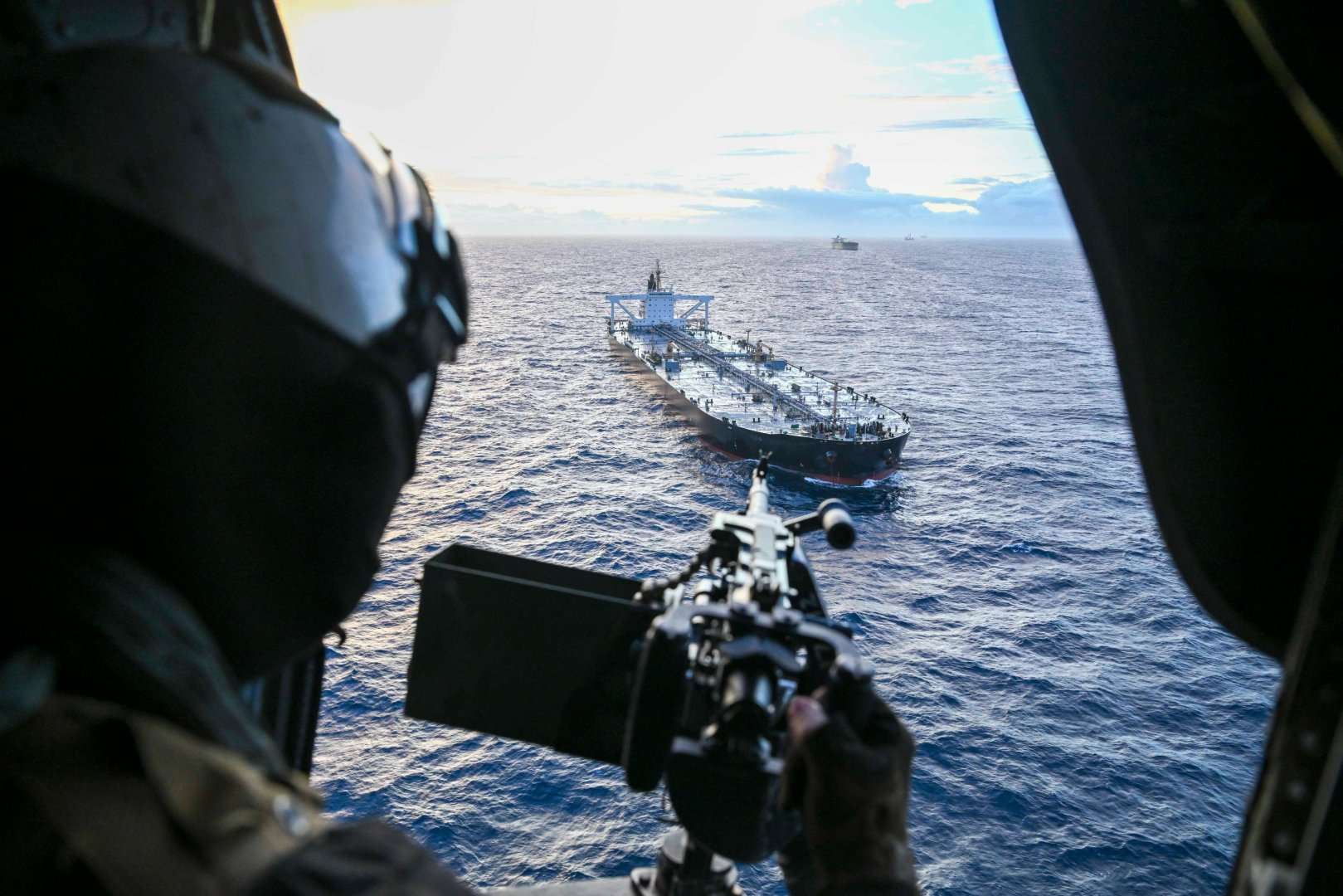
The United States imposed a new round of sanctions against Iran on Thursday, targeting individuals, shipping networks and 17 vessels involved in transporting Iranian crude oil, petroleum products and petrochemicals, according to the US Treasury Department. The measures form part of the Treasury's "Operation Economic Outcast", an initiative aimed at restricting Tehran's access to revenues that Washington says are used to finance its military operations against the United States, missile development, cyberattacks and the Islamic Revolutionary Guard Corps (IRGC). "Today's action represents the most significant blow yet to Iran's remaining illicit maritime infrastructure by neutralizing the vast majority of the shadow fleet," a Treasury official told reporters.
"Treasury is cutting off the regime's last major source of illicit revenue and strengthening international pressure to hold Tehran accountable," the official added. The latest restrictions follow the United States' decision to reimpose a blockade of Iranian ports on July 14, after a memorandum of understanding between Washington and Tehran aimed at ending the war broke down. According to a Treasury official, Iran currently has approximately 20 million barrels of crude oil remaining aboard vessels outside the blockade, primarily near Singapore, Malaysia and China.
For comparison, global oil consumption stands at approximately 100 million barrels per day. A second Treasury official claimed that Iran had stopped loading and unloading crude oil shipments as a result of the blockade and existing sanctions. Among the vessels targeted by the latest measures are the Comoros-flagged Paritosh, the Panama-flagged Bitu and the Bahamas-flagged Gas Lucky.
The announcement comes as Washington and Tehran continue discussions over the conflict that began on February 28. US President Donald Trump said on social media on Thursday that the two countries were engaged in "productive discussions" concerning the war. Trump also stated that the United States would not launch attacks against Iran before the November 3 midterm elections.
However, some analysts have questioned the likely effectiveness of the latest sanctions. Brett Erickson, managing principal at Obsidian Risk Advisors, argued that the measures could have a limited practical impact because Iran had already delivered most of the oil previously held aboard vessels at sea. "This is economic warfare conducted in the rearview mirror, designed to generate headlines rather than results," Erickson said.
The latest sanctions represent another step in Washington's efforts to restrict Iranian oil exports and increase financial pressure on Tehran, although their immediate impact on remaining shipments remains uncertain. Here we are to serve you with news right now. It does not cost much, but worth your attention.
Extract — continue reading at the source.