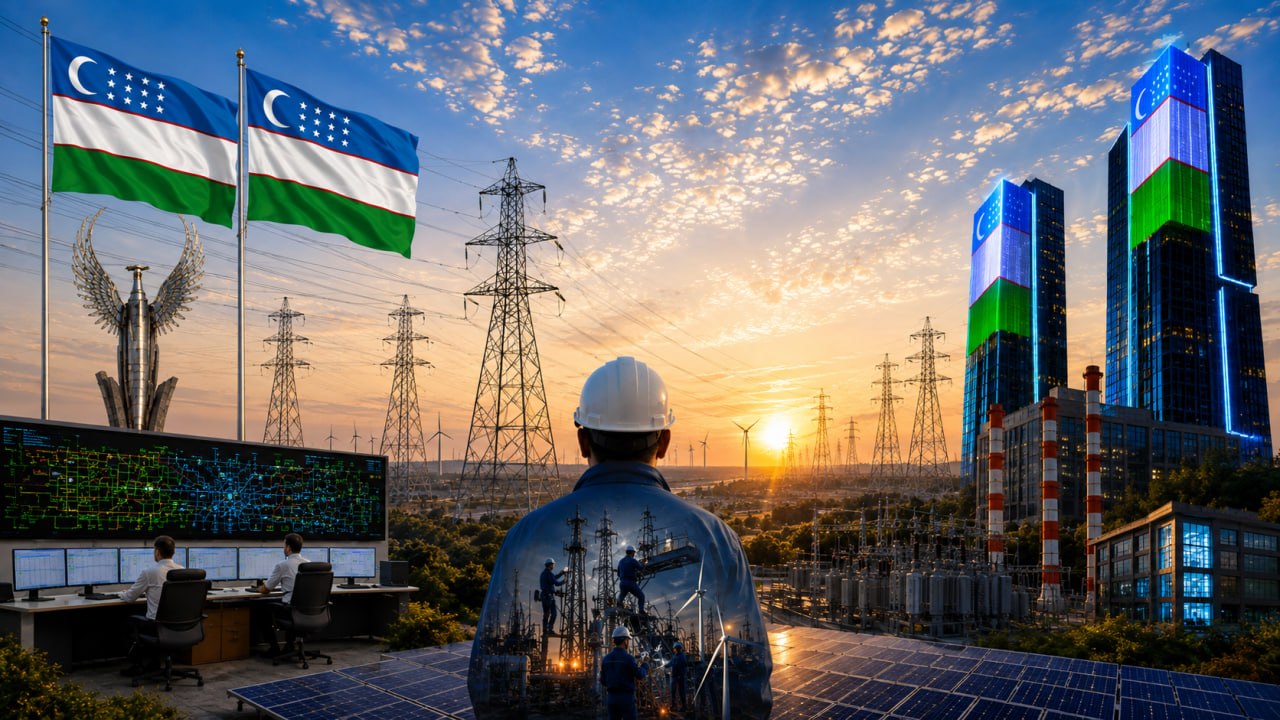
Özbəkistan istilik, günəş və külək enerjisi layihələri də daxil olmaqla, ümumi gücü 2423 meqavat olan enerji istehsalı və enerji anbarı obyektlərini istifadəyə verib. Bu, Özbəkistanın Energetika Nazirliyinin bəyanatında əksini tapıb. Nazirliyin məlumatına görə, obyektlər Özbəkistanın müstəqilliyinin 35-ci ildönümünə hazırlıq çərçivəsində istifadəyə verilib, layihənin ümumi dəyəri 1,7 milyard dollar qiymətləndirilir.
Ən böyük layihə Sirdaryo rayonunun Boyovut rayonunda 1573 MVt gücündə istilik elektrik stansiyasıdır. Obyekt ildə təxminən 13 milyard kilovat-saat elektrik enerjisi istehsal etmək üçün nəzərdə tutulub və səmərəlilik 61,7% təşkil edir. Zavodda ildə təxminən 1,1 milyard kubmetr təbii qaza qənaət edilməsi nəzərdə tutulur.
Onun 900 milyon dollarlıq tikinti layihəsi Fransanın EDF, Qətərin Nebras Power və Yaponiyanın Sojitz Corporation və Kyuden International şirkətlərinin iştirak etdiyi konsorsiumun birbaşa sərmayəsi ilə həyata keçirilib. Tikinti zamanı 3000-ə yaxın iş yeri açılıb, zavodda isə 120 nəfərin daimi işlə təmin olunması nəzərdə tutulur. Özbəkistan, həmçinin Nəvai vilayətinin Nurota rayonunda 300 MVt gücündə günəş fotoelektrik stansiyası və 150 MVt gücündə enerji anbarı sistemini istifadəyə verib.
390 milyon dollar dəyərində olan layihə Çinin “China Energy Overseas Investment” şirkəti ilə əməkdaşlıq çərçivəsində həyata keçirilib. Günəş enerjisi qurğusunun hər il 657 milyon kilovatsaat elektrik enerjisi istehsal edəcəyi, bu da təqribən 273 min ev təsərrüfatının illik istehlakına bərabər, eyni zamanda 175 milyon kubmetr təbii qaza qənaət edilməsi və 377 min tona yaxın zərərli emissiyanın qarşısının alınması nəzərdə tutulur. Qaraqalpaqıstanın Karauzak rayonunda da 200 MVt-lıq külək elektrik stansiyası və 100 MVt-lıq enerji anbarı sistemi istifadəyə verilib.
Səudiyyə Ərəbistanının ACWA Power şirkəti ilə birlikdə hazırlanmış 263 milyon dollarlıq layihənin ildə 701 milyon kVt/saat istehsal edəcəyi gözlənilir ki, bu da təxminən 292 000 ev təsərrüfatının elektrik istehlakını ödəməyə kifayət edəcək. Layihə çərçivəsində həmçinin 187 milyon kubmetr təbii qaza qənaət edilməsi və hər il 403 min tona yaxın zərərli emissiyanın qarşısının alınması nəzərdə tutulur. Namanqan rayonunda 110 milyon ABŞ dolları dəyərində 100 MVt-lıq ayrıca enerji anbarı sistemi istifadəyə verilmişdir.
Obyekt iki saat ərzində 100 MVt gücündə elektrik enerjisini saxlaya bilər, 200 meqavat-saata qədər saxlama qabiliyyətini təmin edir və şəbəkəyə ən yüksək tələbatı idarə etməyə kömək edir. Trend-in təhlili göstərir ki, yeni istismara verilən qurğular ənənəvi istehsalı bərpa olunan enerji və saxlama ilə birləşdirərək Özbəkistana əlavə güc verir, eyni zamanda daha çevik elektrik enerjisi sisteminə artan ehtiyacı ödəyir. Rəqəmlər genişlənmənin miqyasını göstərir.
Xülasə — davamını mənbədə oxuyun.