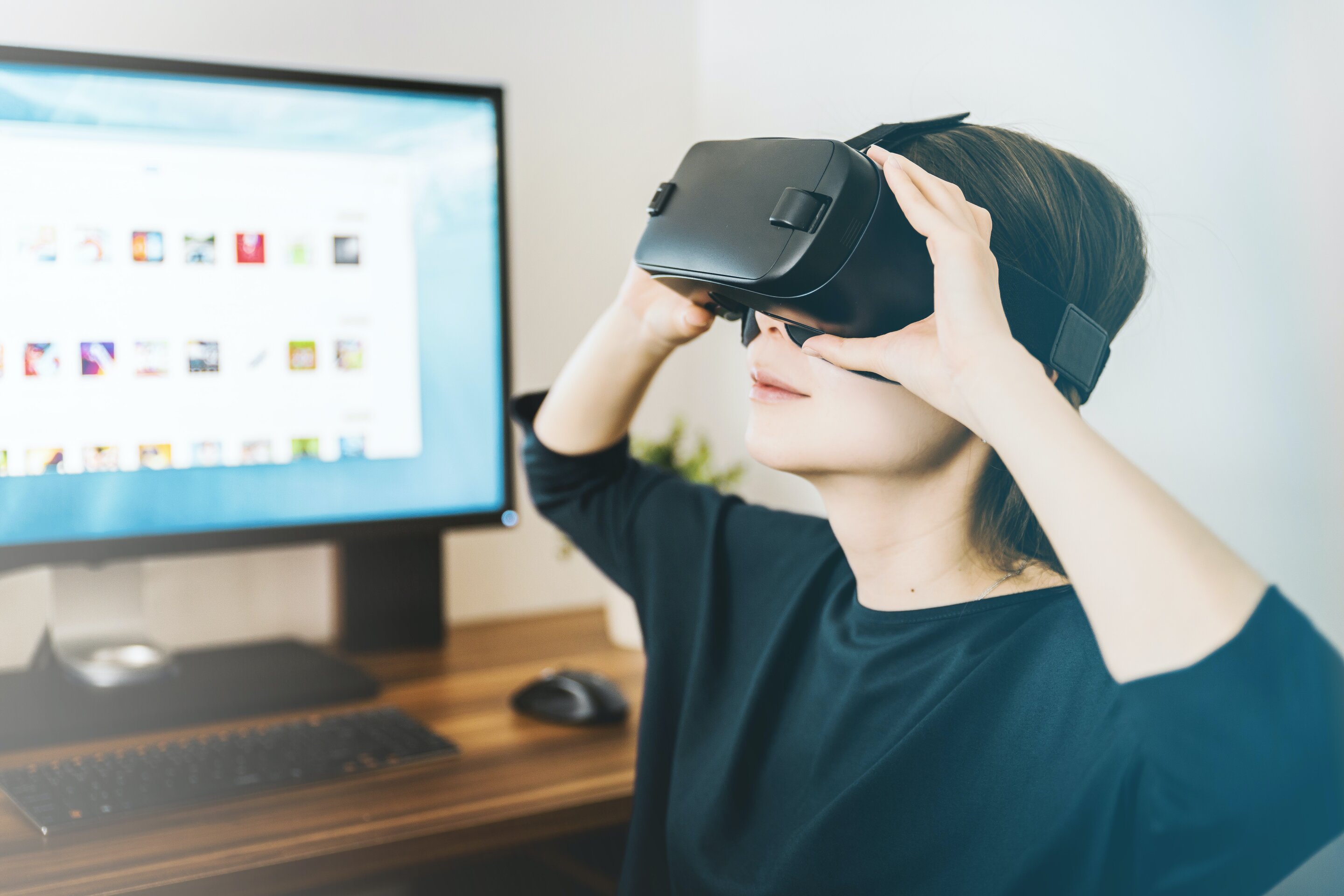
This article has been reviewed according to Science X's editorial process and policies. Editors have highlighted the following attributes while ensuring the content's credibility: Virtual reality (VR) could be a new tool to help students with dyslexia learn English vocabulary more effectively than conventional instruction alone, according to a pilot study involving 30 learners published in the International Journal of Innovation and Learning. Dyslexia is a learning disability that primarily affects reading and related language skills.
VR creates an immersive computer-generated environment with which users can interact. The research divided participants into two groups: One used a custom VR program incorporating interactive multimedia and game-based learning, while the other received conventional teaching. The team found higher vocabulary test scores in the VR group than in the other group.
Moreover, students using VR showed greater engagement and stronger conceptual understanding. Those students reported improved concentration, imagination and satisfaction with the learning process overall. The team explains that VR allowed learners to encounter words through images, sounds, text and simulated real-world situations.
The game-based activities in VR encouraged repeated interaction with letters and vocabulary, which the researchers suggest reinforced memory and contextual understanding in that group compared with students taught using conventional methods. Digital tools, despite the criticism they often receive in some areas, could improve teaching for students with special needs and perhaps address the shortfall in specialist teachers and teaching materials for many students with learning difficulties around the world, especially in resource-constrained regions. The study contributes to wider efforts to make education more inclusive under the United Nations' Sustainable Development Goal 4, which calls for equitable, quality education for all, the researchers add.
Piyanan Pannim Vipahasna et al, Virtual reality technology to enhance English language acquisition in children with learning disabilities, International Journal of Innovation and Learning (2026). DOI: 10.1504/ijil.2026.156230 BA art history, MA material culture. Former museum editor, paramedic, and transplant coordinator.
Editing for Science X since 2021. Full profile → Master's in physics with research experience. Long-time science news enthusiast.
Extract — continue reading at the source.


